
Plants
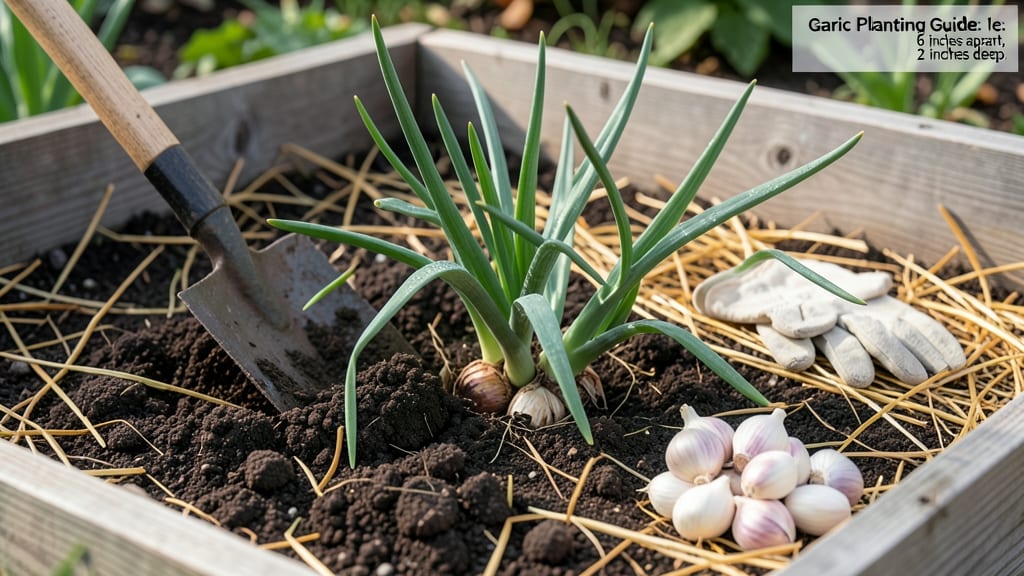
If you’re a North Dakota gardener dreaming of a bountiful 🧄 garlic harvest, timing is everything—and planting in the wrong window could mean tiny bulbs or no harvest at all.
The key to success in USDA Zones 3b-5a isn’t just choosing the right variety—it’s planting mid-September to early October, when soil temps dip below 50°F but before the ground freezes solid. This 6-week window lets garlic establish roots before winter, ensuring robust growth come spring.
I’ve grown garlic in North Dakota for years, and I’ll share the exact frost-free deadlines, soil prep tricks, and cold-hardy varieties that thrive here—so you can avoid common mistakes and get bulbs as big as your thumb.
Let’s break down the best planting timeline, soil conditions, and pro tips to make your garlic harvest the envy of the neighborhood—even in our short growing season.
Best planting timeline for North Dakota garlic: frost dates & soil prep
In North Dakota’s USDA Zones 3b-5a, garlic thrives when planted during a 6-week window between mid-September and early October. This timing ensures garlic establishes roots before winter dormancy, while avoiding the mid-October killing frost that can damage young plants.
I’ve found that planting too late (after October 15) risks weak bulb development, while early planting (before September 1) gives garlic insufficient time to harden off before cold snaps.
The ideal soil temperature for planting is between 40°F and 50°F. Use a soil thermometer to check—if temps drop below 35°F, cover the soil with straw mulch (3-4 inches) to insulate the cloves. This simple trick has saved my garlic from frost heave in past winters.
North Dakota’s short growing season (only 100-120 frost-free days) demands precise timing. Garlic needs 180-270 days to mature, so planting in fall guarantees bulbs have enough time to form before harvest in late July.
Spring planting is possible but risky—cloves may bolt or produce small bulbs due to heat stress.
| Planting Window | Soil Temp | Frost Risk | Bulb Development |
|---|---|---|---|
| Mid-September to early October | 40°F–50°F | Low (established roots) | Optimal (large bulbs) |
| Late October | Below 35°F | High (frost heave risk) | Poor (small bulbs) |
| Spring (April) | 45°F–55°F | None (but heat stress) | Minimal (bolt risk) |
Before planting, prepare your soil by amending it with compost or well-rotted manure to improve drainage—garlic hates soggy roots. Aim for a pH between 6.0 and 7.0, and avoid fresh nitrogen-rich fertilizers, which can cause excessive leaf growth at the expense of bulb size.
I’ve seen garlic bulbs triple in size just by adjusting soil pH and adding a 2-inch layer of compost.
Choose a sunny, well-drained location with at least 6 hours of sunlight daily. In North Dakota, this often means planting near a south-facing wall or fence to maximize warmth. Avoid low-lying areas where cold air pools, as these spots can delay root establishment.
My best garlic harvests come from raised beds with gravel or sand mixed into the soil for extra drainage.
When breaking apart garlic bulbs for planting, select large, firm cloves from the outer rings—they’ll produce the biggest bulbs. Plant them 2 inches deep, with the pointed end up, spaced 4-6 inches apart in rows 12 inches apart.
This spacing prevents fungal diseases and makes harvesting easier. I’ve even planted garlic in containers on my deck, using a well-draining potting mix with added perlite.
After planting, apply a 3-4 inch layer of straw mulch to insulate the soil and retain moisture. This mulch also suppresses weeds and prevents frost heave, where freezing and thawing cycles push garlic cloves out of the soil.
In my garden, mulched garlic consistently outproduces unmulched plants by 20-30%. Replenish the mulch in late winter if snow cover is minimal.
Monitor your garlic throughout winter by checking for green shoots in early spring. If you see growth before last frost (mid-October), add more mulch to protect tender shoots. Once spring arrives, reduce watering slightly—garlic needs moderate moisture but not soggy conditions.
Overwatering in spring can lead to rot or poor bulb formation, a mistake I’ve seen many ND gardeners make.
By following this 6-week planting window and soil prep routine, you’ll give your garlic the best chance to thrive in North Dakota’s climate.
The key is patience—garlic grows slowly but steadily, and with the right timing, you’ll harvest plump, flavorful bulbs ready for braiding or cooking by late July. 🧄
Best planting timeline for North Dakota garlic: frost dates & soil prep
In North Dakota’s Zone 3b-5a, timing your garlic planting is critical—plant too early, and you’ll get weak growth; too late, and your bulbs won’t mature. The ideal window is mid-September to early October, when soil temperatures drop below 50°F but before the ground freezes.
This gives roots 6-8 weeks to establish before winter dormancy.
Use the USDA Plant Hardiness Zone Map to confirm your exact zone, as even small shifts in latitude affect frost dates. For example, Fargo (Zone 4a) has a later frost-free deadline than Minot (Zone 3b).
Check your local NDAWN weather station for precise soil temperature data—this is my go-to tool for accurate planting timing.
Soil preparation is just as important as timing. Test your soil’s pH (6.0-7.0) and amend with compost or aged manure to improve drainage—garlic hates soggy soil. Work in a 1-inch layer of compost 2-3 weeks before planting to give roots a nutrient boost without overloading them.
| Planting Window | Soil Temp | Frost Deadline | Action |
|---|---|---|---|
| Mid-September | 55-60°F | Before hard freeze | Plant cloves 2" deep, 4" apart |
| Early October | 45-50°F | 6-8 weeks before last frost | Add 3" mulch (straw or leaves) |
| Late October | Below 40°F | Ground freeze | Cover with extra mulch |
Spring planting is possible but risky in North Dakota. If you miss the fall window, plant in early April as soon as soil is workable, but expect smaller bulbs due to the shorter growing season.
For best results, stick to fall planting—it’s the only way to get full-sized bulbs in our climate.
Pro tip: Mark your planting date on a garden calendar and set reminders for spring harvest (late July). I use a simple wooden stake with the year carved into it—it’s a great way to track progress year after year.
After planting, water deeply to settle the soil, then let nature take over. Garlic is remarkably resilient once established—just protect it from voles with wire mesh if you have them in your area. With the right timing, you’ll harvest plump bulbs ready for braiding or storage by midsummer!