
Plants
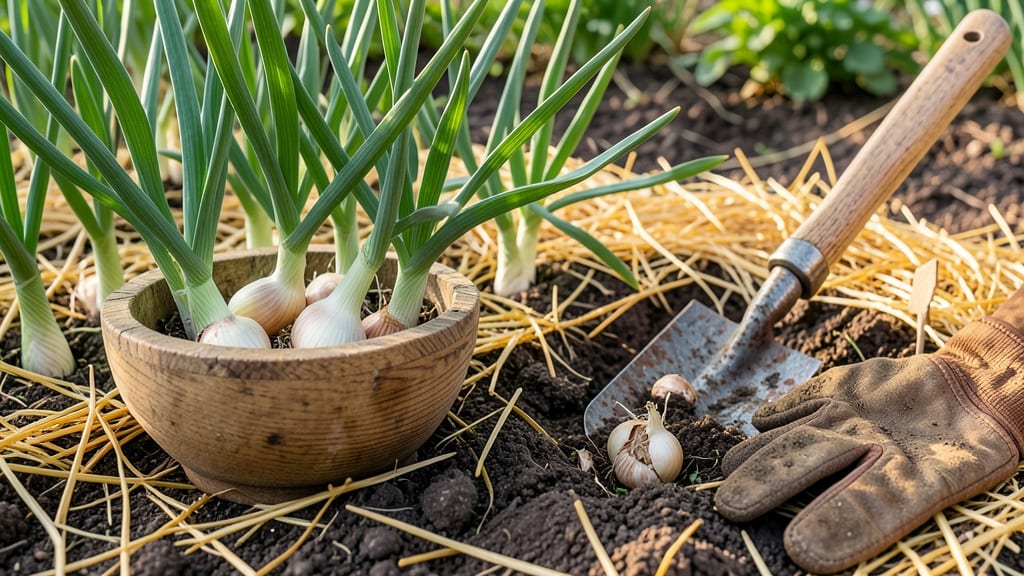
Timing your garlic planting in Seattle isn’t just about the calendar—it’s about matching the 🧄’s chill-hour needs with the city’s famously unpredictable weather. With Zone 8a’s mild winters and rainy skies, planting too early or late can leave you with weak bulbs or no harvest at all.
Most gardeners in Seattle swear by October and November as the sweet spot, but there’s more to it than just picking a month. The key lies in those 600-800 chill hours below 45°F that garlic craves—something Seattle’s microclimates can throw off if you’re not careful.
In this guide, I’ll break down exactly when to plant for Zone 8B success, how to prep your soil for Seattle’s wet climate, and which varieties thrive here. Whether you’re a first-timer or a seasoned gardener, these tips will help you grow plump, flavorful bulbs come harvest time.
Ready to turn your fall gardening into a reliable garlic harvest? Let’s get those cloves in the ground at the perfect moment—before Seattle’s weather decides to change its mind.
Seattle’s ideal garlic planting window: chill-hours explained
Seattle’s Zone 8B climate creates a unique challenge for garlic growers—too much rain and mild winters can disrupt traditional planting timelines. Unlike colder regions, garlic in Seattle needs 600-800 chill-hours below 45°F to form proper bulbs, but our unpredictable weather makes timing critical.
Plant too early, and your garlic may sprout prematurely; too late, and it won’t get enough winter chill.
The optimal planting window in Seattle falls between mid-October and November, aligning with when daytime highs drop below 50°F consistently. This timing ensures garlic receives its required chill-hours while avoiding early spring warmth that can trigger unwanted growth.
For example, planting in late October (around October 20-30) gives your garlic enough winter chill before temperatures stabilize in spring.
Seattle’s rainy climate adds another layer of complexity. Excessive moisture can lead to rot or poor bulb formation, so well-draining soil is non-negotiable. If you notice prolonged wet spells after planting, consider adding a 1-inch layer of straw mulch to protect cloves from waterlogging.
This simple step can make the difference between a thriving crop and lost seeds.
🌱
🌱 Seattle Garlic Planting Summary
| Factor | Seattle Specification | Key Notes |
|---|---|---|
| Chill-Hours Needed | 600-800 hours below 45°F | Critical for bulb formation; Seattle’s mild winters require precise timing. |
| Ideal Planting Window | Mid-October to November | Avoid early sprouting from warm fall days. |
| Soil Temperature | 40-50°F at planting | Too warm, and cloves may sprout prematurely. |
| Rain Adjustment | Mulch with straw | Prevents waterlogging in Seattle’s wet climate. |
| Frost Tolerance | Up to 20°F | Garlic survives light frosts but avoid heavy ice. |
One common mistake in Seattle is planting garlic too late in December. While it may still grow, the reduced chill-hours can result in smaller bulbs or poor flavor development. To avoid this, use a soil thermometer to monitor temperatures—aim for planting when soil is consistently 40-50°F.
If your garden experiences unusually warm falls (like in 2023), consider delaying planting until early November to ensure adequate chill.
Seattle’s microclimates also play a role. Areas near Puget Sound or with urban heat islands may experience warmer soil temperatures than inland spots. If you’re unsure about your specific microclimate, err on the side of planting slightly later (closer to November) to account for potential warmth.
Conversely, higher-elevation areas like Snoqualmie Pass may need earlier planting to meet chill-hour requirements.
Another pro tip: Hardneck varieties (like German White or Purple Stripe) thrive better in Seattle’s climate because they require more chill-hours. Softneck varieties (like Silverskin) can work but may produce smaller bulbs if chill-hours are insufficient.
Always check the chill-hour rating on seed packets—look for varieties labeled "600+ chill-hours" for Seattle’s conditions.
Finally, don’t overlook soil preparation. Seattle’s acidic, clay-heavy soil can stunt garlic growth if not amended. Work in compost or well-rotted manure before planting to improve drainage and fertility.
A pH of 6.0-7.0 is ideal, so test your soil and adjust with lime if needed. Proper soil prep sets the stage for a successful harvest.
By aligning your planting schedule with Seattle’s chill-hour window and adjusting for local weather patterns, you’ll maximize your chances of growing large, flavorful garlic bulbs—even in our rainy climate. The key is patience and precision, but the reward is worth it! 🌿
Step-by-step Seattle garlic planting schedule: month-by-month breakdown
Seattle’s October-November planting window is your best bet for hardneck garlic, but timing depends on your microclimate. Most gardeners aim for 4-6 weeks before the ground freezes, typically between mid-October and early November.
If you’re in a warmer microclimate (like near Puget Sound), you might push planting to early December.
Start by testing your soil’s drainage and pH—garlic thrives in 6.0-7.0 pH and well-draining soil. Amend heavy clay with compost or sand if needed. Seattle’s acidic soils often require lime, but test first to avoid overcorrecting.
📋 Step-by-Step Planting Timeline
- Late September: Prepare beds by removing weeds and adding 2-3 inches of compost.
- Mid-October: Break garlic bulbs into individual cloves (keep papery skins on) and soak in 1% hydrogen peroxide for 10 minutes to prevent rot.
- October-November: Plant cloves 2 inches deep, 4-6 inches apart, with the pointy end up.
- December-February: Mulch with 4-6 inches of straw to insulate from freeze-thaw cycles.
- March-April: Remove mulch when soil warms to 50°F; water lightly to encourage growth.
- June-July: Harvest when lower leaves brown but upper leaves stay green.
Seattle’s winter rains can make planting tricky, so avoid soggy soil. If you miss the October window, you can try planting in early December, but bulbs may be smaller. Hardneck varieties (like German Red) handle Seattle’s chill better than softnecks.
After planting, water deeply once and let nature take over. Garlic is drought-tolerant once established, but Seattle’s wet springs can cause rot. Reduce watering in late spring to harden bulbs before harvest.
Pro tip: Mark your garlic rows with stakes or flags—Seattle’s dense winter rains can wash away mulch and bury plants. A south-facing bed gets the most winter sun, helping bulbs develop even in cloudy months.
Remember, patience is key. Garlic won’t sprout until spring temperatures rise, but that dormant period is crucial for bulb formation. By late June, you’ll have plump, flavorful garlic ready for harvest—worth the wait!