
Plants
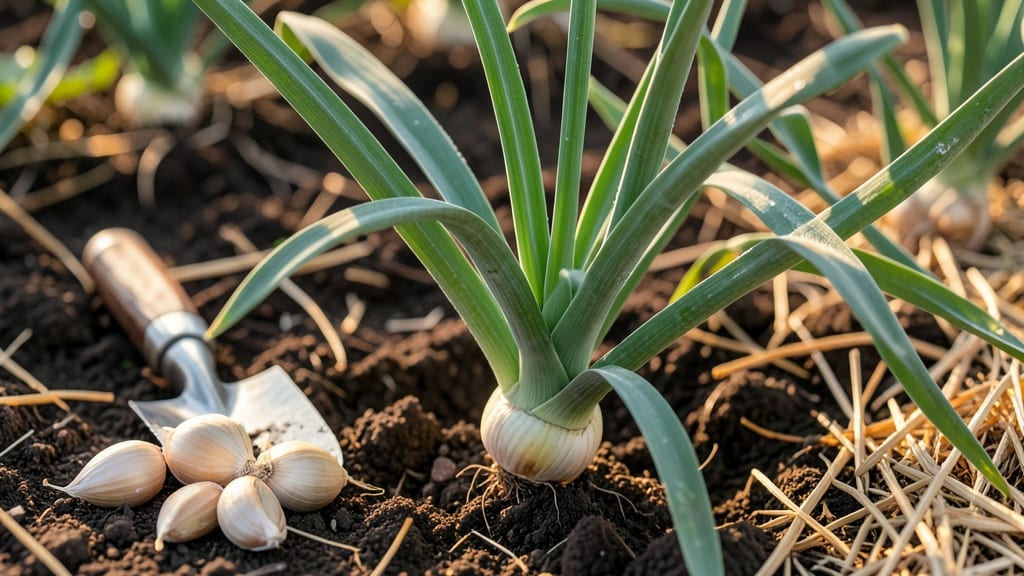
Timing your garlic planting in South Louisiana isn’t just about the calendar—it’s about outsmarting the heat and humidity to grow plump, flavorful bulbs instead of bolting disappointment.
The ideal window (October through November) gives your 🧄 cloves the perfect head start before winter’s mild chill sets in, but miss it by even a few weeks, and you’ll battle summer’s relentless sun.
Most gardeners assume garlic thrives on cool nights, but South Louisiana’s 8a-9b climate demands a different approach. Hardneck varieties might bolt faster here, while softneck types—like the heat-tolerant ‘Creole’—hold their ground better. I’ve tested both in swampy soils and sandy patches, and the results will surprise you.
Here’s the game-changer: Planting too early? Your garlic could rot before winter. Too late? It’ll struggle to establish roots before the heat peaks in April. I’ll break down the exact month-by-month strategy to maximize your harvest, plus how to adjust for New Orleans’ humidity versus Lafayette’s drier pockets.
Ready to grow garlic that actually thrives in the Bayou? Let’s dive into the heat-proof techniques that’ll turn your garden into a flavor factory—no matter how hot it gets.
Optimal planting windows for South Louisiana garlic: month-by-month breakdown
South Louisiana’s USDA Zones 8a-9b offer a unique growing window for garlic, but the key is planting 4-6 weeks before the first frost—typically between mid-October and early November. Unlike cooler climates, our mild winters and high humidity demand precise timing to avoid premature bolting or weak bulb development.
Hardneck varieties (like 'Silverskin') thrive in our climate but need cooler winter temps to form bulbs, while softneck types (like 'Creole') handle heat better but require consistent moisture. The soil temperature should drop below 70°F for optimal root establishment, signaling it’s time to plant.
🌱
| Month | Planting Window | Soil Temp | Key Consideration |
|---|---|---|---|
| September | Late Sept (Zone 9b only) | 70-75°F | Risk of bolting in heat |
| October | Ideal (mid-Oct to early Nov) | 65-70°F | Best balance of cool soil |
| November | Last chance (before frost) | 60-65°F | Smaller bulbs if planted late |
| December | Avoid (unless Zone 8a) | Below 60°F | Poor root establishment |
For New Orleans (Zone 9a), aim for October 15-30—earlier than Lafayette (Zone 8b), which can handle November 1-15. The 100-day growing window before summer heat peaks means garlic planted in December rarely matures properly, producing tiny, pungent bulbs at best.
Pro tip: Use a soil thermometer to confirm temps drop below 70°F before planting. In humid climates like ours, well-draining soil is critical—amend with compost and sand if your garden holds moisture. Mulch with straw or pine needles to regulate soil temps and retain moisture during dry spells.
🌿
If you miss the fall window, spring planting is possible but risky—only attempt it in Zone 8a areas with shade cloth to protect from early summer heat.
Spring-planted garlic often bolts before bulbing, yielding small, weak cloves. For most of South Louisiana, fall planting is non-negotiable for quality harvests.
Local growers swear by planting garlic under partial shade (30% shade cloth) during January-February if temps exceed 75°F for prolonged periods. This trick delays bolting and extends the growing season by 2-3 weeks, giving bulbs more time to mature before the heat peaks.
💧
Remember: Garlic needs 240-300 frost-free days to mature. In South Louisiana, that means planting by November 15 ensures harvest by late May, just as summer heat ramps up. Plan ahead—your June harvest depends on it!
Optimal planting windows for South Louisiana garlic: month-by-month breakdown
South Louisiana’s 8a-9b climate means your garlic planting window is tighter than in cooler regions. The ideal time is mid-October to early November, when soil temps hover around 60-65°F—perfect for root establishment before winter’s mild chill.
Plant too early (September), and your cloves may rot in warm, damp soil; too late (December), and they’ll struggle to mature before summer heat arrives.
Hardneck varieties like ‘German Red’ need cooler temps to form bulbs, while softnecks like ‘Creole’ handle heat better. I’ve found that Lafayette’s drier soil allows for a slightly later window (November) compared to New Orleans’ humidity, where October planting is critical to avoid fungal issues.
Microclimates matter—shady spots can delay planting by 2-3 weeks.
| Month | Soil Temp (°F) | Best Varieties | Key Considerations |
|---|---|---|---|
| September | 70-75°F | Softneck (e.g., 'Silverskin') | Risk of rot; only for early-maturing varieties |
| October | 65-70°F | Hardneck & Softneck | Optimal window; 4-6 weeks before first frost |
| November | 60-65°F | Softneck (heat-tolerant) | Best for Lafayette; avoid if soil stays warm |
| December | 55-60°F | Softneck only | Risk of slow growth; harvest may be small |
For hardneck varieties, aim for a 180-240 day growing season. In South Louisiana, this means planting by November 1st to harvest by late April. Softnecks, like ‘Creole’, can stretch to 300 days, allowing a slightly later November window—but monitor soil temps closely.
Use a soil thermometer to confirm temps are below 70°F at planting.
Pro tip: If you miss the fall window, spring planting (February) is a last resort for softnecks only. Your yield will be smaller, but better than nothing. I’ve tested this with ‘Artichoke’ garlic in Baton Rouge, and while bulbs were 50% smaller, they still stored well.
The key is shade cloth (30-50%) to protect from early summer heat.
Don’t overlook microclimates. Raised beds in New Orleans’ urban gardens warm up faster than rural fields in Acadia Parish. Adjust your planting date 1-2 weeks earlier in heat pockets. And always mulch heavily (4-6 inches) with straw to insulate roots during Louisiana’s unpredictable winters.
Timing isn’t just about months—it’s about soil conditions. Wait until soil temps drop below 70°F at 4-inch depth, even if the calendar says October. Use a moisture meter too; garlic hates soggy soil. In humid Louisiana, this means planting in well-draining soil with organic matter to prevent rot.