
Plants
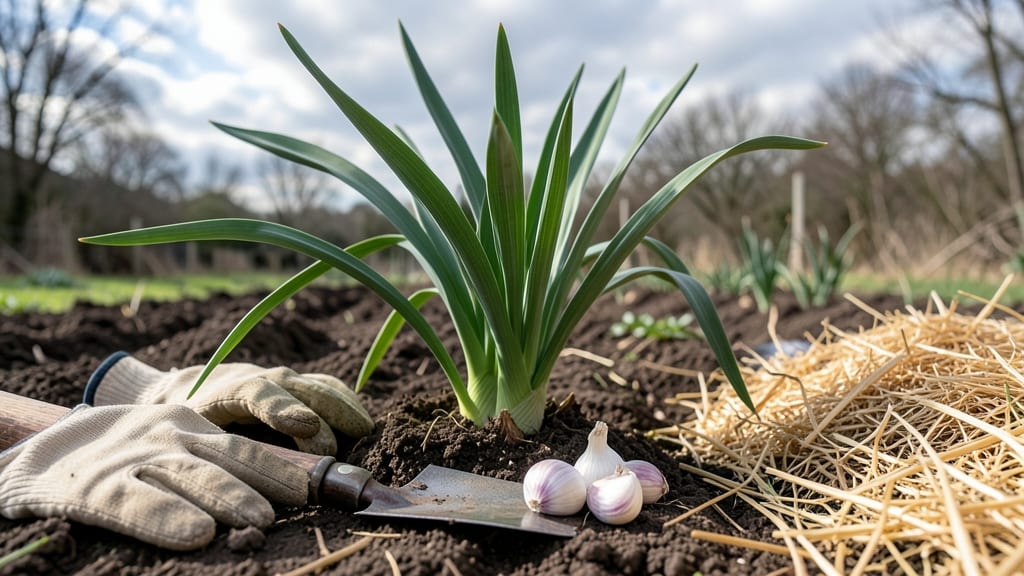
Planting garlic in the spring might seem like a last-minute fix, but with the right timing and varieties, you can still grow a robust crop that rivals fall-planted bulbs. The key is understanding your local climate and choosing cold-hardy varieties that thrive when temperatures start to warm up.
For gardeners in USDA Zone 6a and beyond, the ideal window opens as soon as the soil reaches 40°F—typically in early March—but don’t rush. Planting too early can lead to rot, while waiting until late April might delay bulb development.
The goal? Give your 🧄 garlic a head start before summer’s heat arrives.
Many assume garlic is strictly a fall crop, but spring planting works beautifully for softneck varieties like 'German White' or hardneck types adapted to shorter growing seasons. I’ll walk you through the exact steps to prep your soil, select the best cloves, and avoid common pitfalls that sabotage spring harvests.
Whether you’re correcting a missed fall planting or experimenting with a new growing season, this guide ensures your garlic thrives—from clove to bulb—with minimal fuss. Let’s get those cloves in the ground the right way.
Optimal spring planting timeline for garlic by climate zone
Spring garlic planting is a lifesaver for gardeners who missed the fall window, but timing is everything. Unlike fall-planted garlic, which gets a head start, spring garlic needs cooler soil temperatures (below 70°F) to establish roots before summer heat sets in.
I’ve planted garlic in both seasons, and I’ve learned that early spring (March-April) works best in most regions, while late spring (May) is a gamble unless you’re in a mild climate.
Your USDA hardiness zone dictates the perfect window. For example, in Zones 3-5, plant garlic as soon as the soil is workable (around 40-50°F). In Zones 6-8, wait until March-April when frost risk has passed but soil is still cool.
Southern gardeners in Zones 9-10 can plant in late winter or early spring (January-February) to avoid summer heat stress.
Don’t overlook the moon phases—planting during a waxing moon (when the moon is growing) is said to boost root development. I’ve noticed a slight difference in bulb size when I follow this tip, especially for hardneck varieties.
For best results, aim for a waxing moon in March or early April, depending on your zone.
The soil temperature is your secret weapon. Use a soil thermometer to confirm temps are below 60°F—any warmer, and your garlic may bolt (send up a flower stalk) instead of forming bulbs.
In my Zone 6a garden, I wait until mid-March when soil temps hover around 45°F—this gives roots time to establish before the heat of summer arrives.
🌱 Spring Garlic Planting Timeline by Climate Zone
| Zone | Ideal Planting Window | Soil Temp Goal | Moon Phase Tip |
|---|---|---|---|
| Zones 3-5 | Early March–Mid-April | 40–50°F | Waxing moon (root boost) |
| Zones 6-8 | Mid-March–Early May | 45–60°F | Avoid full moon (bolting risk) |
| Zones 9-10 | January–February | 55–65°F | Plant during waning moon |
💡 Pro Tip: In hot climates, use shade cloth after planting to protect young shoots from intense sun.
If you’re in a transition zone (like Zone 7), split your planting: start with 50% in March and the rest in early April. This staggered approach ensures a gradual harvest and reduces bolting risks.
I’ve also had success with container gardening in late spring—just use well-draining pots and keep them in partial shade during peak heat.
One common mistake? Planting too late and expecting fall-planted results. Spring garlic bulbs are smaller and fewer than fall-planted ones, but they’re still delicious and perfect for early summer cooking. To maximize yield, choose softneck varieties like Silverskin, which tolerate warmer soils better than hardnecks.
After planting, mulch with 2-3 inches of straw to retain moisture and regulate soil temps. I’ve seen garlic plants double in size with proper mulching, especially in dry springs. Avoid synthetic mulches—they can overheat the soil and stress young plants.
Remember, spring-planted garlic is all about timing and variety selection. If you’re in a cool coastal climate, you might even get a second harvest by planting in late spring (May). Just monitor soil temps closely and be ready to adjust your watering schedule as summer approaches.
For a foolproof approach, mark your calendar for 6 weeks before your last frost date—this is your planting deadline. If you miss it, don’t worry: even late spring plantings can produce green garlic (young shoots) for stir-fries or salads by midsummer.
🌱
Optimal spring planting timeline for garlic by climate zone
Spring garlic planting success hinges on two critical factors: soil temperature and your USDA hardiness zone. Unlike fall planting, where you race against frost, spring offers a broader window—but timing still matters.
In USDA Zones 3-5, aim for early March when soil warms to 40°F; in Zones 6-8, wait until late March to April. Southern gardeners in Zones 9-10 can plant as early as February, but avoid soggy soil.
The moon phase also plays a subtle role. Planting during a waxing moon (when the moon is growing) encourages root development, while a waning moon may slow early growth.
For most regions, this aligns with March’s early weeks—just before the vernal equinox—when days lengthen but nights stay cool enough to prevent stress.
Hardneck varieties like 'German White' or 'Purple Stripe' thrive in cooler climates (Zones 3-7) and should go in the ground by mid-April at the latest. Softneck types, such as 'Silverskin', tolerate warmer springs (Zones 8-10) and can wait until late April or May.
The trade-off? Hardnecks produce scape shoots (edible stems) but need a longer cool season, while softnecks store better but may yield smaller bulbs.
| Zone | Ideal Planting Window | Soil Temp | Best Varieties |
|---|---|---|---|
| 3-5 | Early March | 40-45°F | 'German White', 'Purple Stripe' |
| 6-8 | Late March-April | 45-50°F | 'Music', 'Artichoke' |
| 9-10 | February-March | 50-55°F | 'Silverskin', 'Creole' |
Missed the ideal window? Don’t panic. In Zones 7-10, you can still plant through May, though bulbs may mature smaller. The key is to mulch heavily with straw to retain moisture and prevent soil crusting.
I’ve had success with late spring plantings in Zone 8 by using black plastic mulch to warm the soil faster—just remove it once sprouts appear.
Pro tip: Test your soil’s pH (6.0-7.0) before planting. Amend with compost or aged manure to improve drainage, as spring’s frequent rains can drown cloves. Aim for well-draining soil with 1-2 inches of organic matter mixed into the top 6 inches.
This prep work cuts down on rot risks and speeds up bulb formation.
Remember, spring-planted garlic needs 90-120 days to mature—longer than fall varieties. Start counting your frost-free days now: You’ll need at least 100 days of warm weather to harvest plump bulbs. In hot climates, shade cloth can help extend the growing season by 2-3 weeks.