
Plants
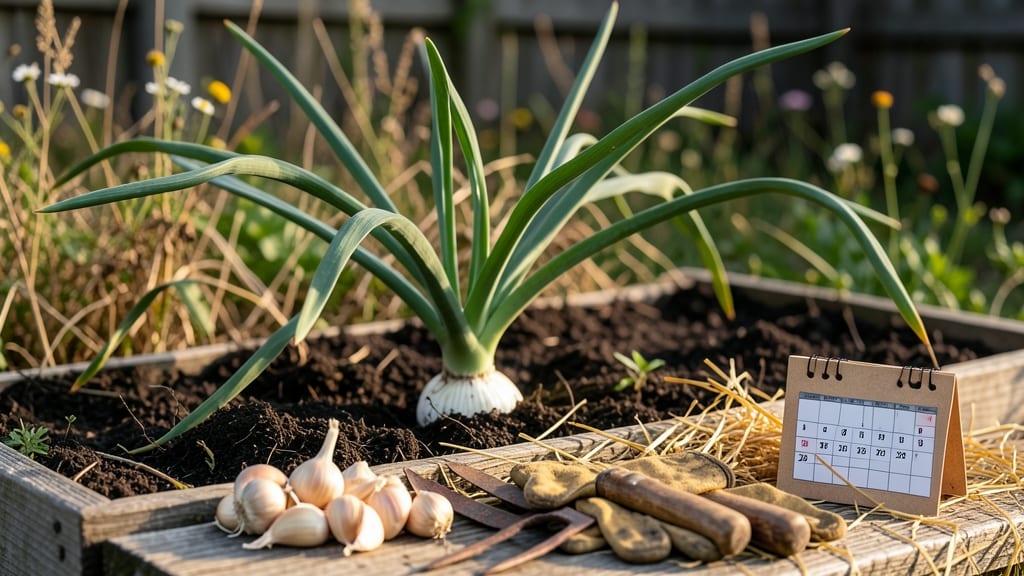
Timing your 🧄 garlic planting in Zone 4b isn't just about following a calendar—it's about working with the cold to grow the biggest, most flavorful bulbs possible. Plant too early, and your cloves might rot before winter; too late, and they won’t establish strong roots before the ground freezes.
The secret lies in a precise window that turns your garden’s chill into garlic’s superpower.
Most gardeners in Zone 4b swear by planting between mid-October and early November, but why? It’s all about giving your garlic 8-12 weeks of cool soil before the ground hardens.
This cold period is what triggers the bulb-forming process, ensuring you’ll harvest plump, robust cloves next summer—not the weak, skinny varieties that come from rushed or delayed planting.
If you’ve ever wondered why your garlic harvests disappoint, the answer might be in the timing. In Zone 4b’s short growing season, even a 2-week delay can mean the difference between a bumper crop and a sad handful of small bulbs.
Let me show you exactly how to nail the timing, adjust for your specific microclimate, and avoid the most common mistakes that ruin garlic in cold climates.
Ready to grow garlic that rivals the best from the farmers' market? The key starts with when you plant—and trust me, your taste buds (and dinner guests) will thank you.

Optimal planting weeks before frost in Zone 4b for maximum yield
In Zone 4b, the 8-12 week window before your first hard frost is your garlic’s golden opportunity. This isn’t just a guess—it’s based on the plant’s need for cool soil temperatures (40-50°F) to trigger bulb formation.
For most of Zone 4b (think northern Midwest, New England, or upstate New York), that means planting between mid-October and early November.
But here’s the catch: soil temperature matters more than calendar dates. If your ground stays warm late into October, you might need to plant earlier. Conversely, if early frosts hit by late October, you’ll need to rush your garlic into the soil by mid-October.
The goal? Give your cloves enough time to establish roots before the ground freezes solid.
For example, in Minnesota or Wisconsin, where first frosts often arrive by October 15-20, aim for planting by October 1-10. In Maine or Vermont, with later frosts (around October 25-November 1), you can plant as late as mid-November.
Always check your local USDA frost date map for precision.
| Zone 4b Location | First Frost Date | Optimal Planting Window | Soil Temp Goal |
|---|---|---|---|
| Northern Midwest (MN, WI) | Oct 15-20 | Oct 1-10 | 40-50°F |
| New England (ME, VT, NH) | Oct 25-Nov 1 | Oct 20-Nov 5 | 40-50°F |
| Upstate NY, PA | Oct 20-25 | Oct 5-15 | 40-50°F |
Why this timing? Garlic needs 8-12 weeks of cool soil to form bulbs. Plant too early (like September), and your cloves may sprout and rot before winter.
Plant too late (after November), and they won’t establish roots before the ground freezes, leading to small, weak bulbs or no harvest at all.
Pro tip: Use a soil thermometer to confirm temperatures. If your soil is below 40°F when you plant, your garlic will struggle. If it’s above 50°F, it may sprout too soon. Aim for that sweet spot of 40-50°F for best results.
Hardneck varieties (like ‘Music’ or ‘German White’) thrive in Zone 4b’s cold, while softneck varieties (like ‘Silverskin’) can handle slightly later plantings. But even softnecks need that cool soil period to develop properly. Don’t skip it!
Once planted, mulch with 4-6 inches of straw or leaves to insulate the soil and protect cloves from freeze-thaw cycles. This extra layer keeps temperatures stable, giving your garlic the best chance to overwinter successfully.
Remember, garlic planted at the right time in Zone 4b doesn’t just survive winter—it transforms cold into flavor. Those 8-12 weeks of chill are what make your bulbs plump, robust, and packed with that unmistakable garlic taste we all love.
Now that you’ve got the timing down, let’s talk about how to adjust for early vs. late harvests—because even within this window, you can tweak your schedule for bigger or smaller bulbs.
Optimal planting weeks before frost in Zone 4b for maximum yield
In Zone 4b, the 8-12 week rule before your first frost is your garlic’s golden ticket to success. This window—typically mid-October to early November—gives cloves enough time to root before the ground freezes solid.
Think of it like tucking your garlic into a cozy blanket of soil; they need that chill to form strong bulbs, not just survive winter.
Soil temperature matters more than calendar dates. Aim for 40-50°F soil at planting time. Use a soil thermometer to check—if it’s warmer, wait a week or two. Cold soil speeds up root development, while warm soil can lead to rot.
This is why some years you might plant in late October instead of early November, even if it feels "late."
The first frost date in Zone 4b usually lands in mid-October, but don’t panic if you miss it by a week. Garlic can handle light frosts once established, but the soil must stay workable.
If your ground freezes hard before planting, your garlic will struggle to root—and weak roots mean small, flavorless bulbs next summer.
| Stage | Action | Zone 4b Timeline |
|---|---|---|
| Soil Prep | Loosen soil, add compost | Late August - Early September |
| Planting | Break bulbs, plant 2" deep | Mid-October - Early November |
| Winter Dormancy | Mulch heavily (4-6") | November - March |
| Spring Growth | Remove mulch, water lightly | April - May |
| Harvest | Cure bulbs in dry shade | Late June - July |
Hardneck varieties—like Music or German Red—thrive in Zone 4b’s cold winters. They need that chill to form scapes (those curly flower stalks) and develop cloves. Softnecks, like Silverskin, are more flexible but still benefit from the 8-12 week rule.
If you’re unsure, stick with hardnecks; they’re the garlic of choice for cold climates.
Pro tip: Plant early October for a late harvest (July) or late October for an earlier harvest (June). The trade-off? Earlier planting often means larger bulbs, while later planting can reduce scape production. Test both timings in small batches to see what works best in your microclimate.
Don’t let Zone 4b’s short growing season fool you—with the right timing, your garlic can outperform bulbs from warmer regions. The key is patience: let the cold work its magic, and next summer, you’ll be curing bulbs that rival anything from a specialty market.