
Planting
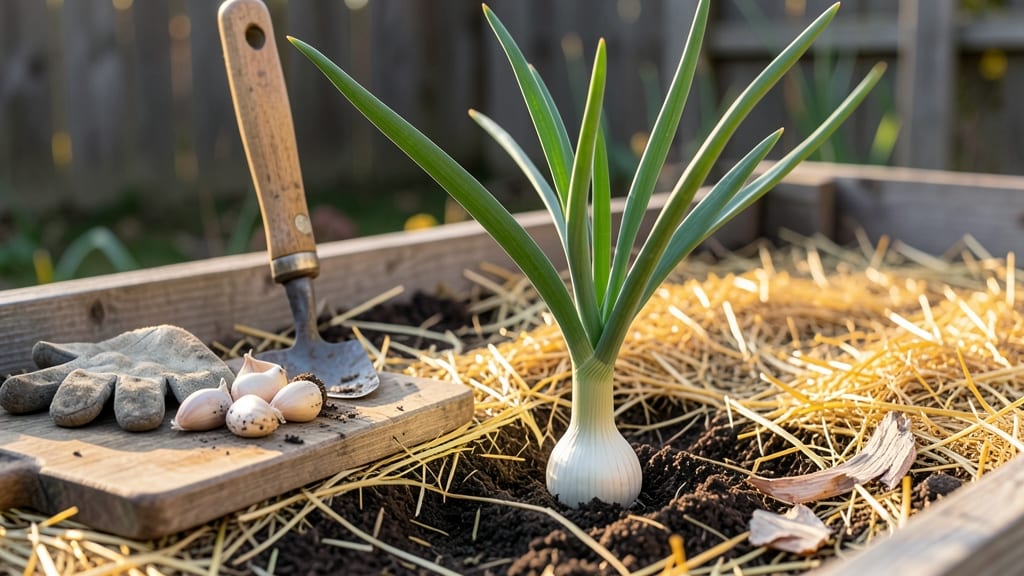
If you're growing garlic in Zone 8, timing your planting could make the difference between plump, flavorful bulbs and disappointment. The best months to plant—October through November—align perfectly with your region's mild winters, but getting it wrong can leave you with stunted harvests.
I've learned the hard way that garlic needs cold exposure to form proper bulbs, and Zone 8's unique climate demands special attention. Whether you're working with hardneck or softneck varieties, understanding these seasonal cues will help you avoid common pitfalls and maximize your yield.
What you'll discover here are the key strategies for planting garlic at the optimal time, including soil prep, variety selection, and how to protect your crop from unexpected frost. Let's get your garlic off to the right start for a bountiful harvest next summer.
From coastal microclimates to inland areas, we'll cover how to adjust your approach based on your specific growing conditions.
With the right timing and care, you'll be harvesting homegrown garlic that rivals anything you've bought at the store—just in time for those summer recipes that need that extra punch of flavor.

Optimal planting windows for garlic in Zone 8 by variety type
Zone 8 gardeners have a unique advantage with garlic cultivation—its mild winters allow for two planting windows, but timing depends on your variety type. Hardneck garlic thrives when planted in fall (October-November) for proper bulb formation, while softneck garlic offers flexibility with spring (February-March) planting.
Let’s break down the best strategies for each.
For hardneck garlic, the 6-8 week chilling period before spring is critical. Planting in late October or early November ensures bulbs receive enough cold while avoiding winter dormancy. Softneck garlic, however, is more adaptable—it can handle spring planting but may yield smaller bulbs with less intense flavor.
Zone 8’s microclimates also play a role. Coastal areas with warmer winters (like San Diego) may need to plant earlier (September-October) to avoid premature sprouting, while inland regions (like Austin) can extend planting into November without risk.
🌱 Garlic Planting Guide for Zone 8
| Variety | Best Planting Window | Key Notes for Zone 8 |
|---|---|---|
| Hardneck Garlic | October–November | Needs 6-8 weeks of cold; plant 4-6 weeks before first frost. |
| Softneck Garlic | February–March (or October) | Spring planting works but may reduce bulb size; fall planting preferred. |
| Elephant Garlic | October–November | Tolerates milder winters but benefits from cool fall soil. |
If you’re unsure about your last frost date, use Zone 8’s average (around January 15) as a guideline. Planting 4-6 weeks before ensures cloves establish roots before winter. For example, in Los Angeles, aim for late October, while Dallas gardeners can wait until early November.
Pro tip: Use a soil thermometer to confirm 50–60°F soil temps before planting. Cooler soil helps prevent premature sprouting, a common issue in Zone 8’s mild winters. If temps rise above 60°F, delay planting or use shade cloth.
For spring planting, focus on softneck varieties like Silverskin or Artichoke. These adapt better to warmer soil but may take longer to mature (up to 10 months) compared to fall-planted garlic (8–9 months).
Remember: Harvest timing follows planting. Fall-planted garlic typically harvests in June–July, while spring-planted garlic may not be ready until August. Plan ahead to avoid missing peak flavor!
🌱
How to adjust planting timing for Zone 8’s microclimates and soil conditions
Zone 8’s diverse climate means your garlic planting timing should adapt to whether you're in coastal San Diego or inland Phoenix. Coastal areas often experience warmer, wetter winters that can cause premature sprouting, while inland regions face colder snaps that may delay planting.
Understanding these variations helps you fine-tune your schedule for optimal bulb development.
For coastal Zone 8 (e.g., Los Angeles, San Diego), plant earlier (September-October) to avoid soil temps rising above 60°F. Inland areas (e.g., Austin, Phoenix) can wait until November when nights grow cooler.
Use a soil thermometer to confirm 50–60°F soil temps—this sweet spot prevents sprouting while allowing root establishment.
Soil drainage is another critical factor. Heavy clay soils common in Texas Hill Country need amending with compost or sand to prevent waterlogging, which can rot garlic cloves.
Test your soil’s drainage rate by digging a 6-inch hole, filling it with water, and timing how long it takes to drain—1–2 hours is ideal. If water pools, raise beds or mix in organic matter.
🌱 5 Key Adjustments for Zone 8 Garlic Planting
- Coastal Areas: Plant September-October to escape warm soil.
- Inland Areas: Wait until November for cooler nights.
- Soil Prep: Amend clay with compost/sand for drainage.
- Mulch Thickly: Use 6+ inches of straw to insulate roots.
- Shade Cloth: Cover beds if soil temps exceed 60°F.
Mulching is your best friend in Zone 8. Apply 6+ inches of straw or leaves after planting to insulate soil and maintain consistent moisture. This layer also suppresses weeds and protects cloves from freeze-thaw cycles, which can damage emerging shoots.
In warmer microclimates, mulch helps prevent soil from overheating.
If your winter is unusually mild (like 2023’s record warmth in Southern California), consider using row covers or cold frames to extend the chilling period hardneck garlic needs.
These tools mimic winter conditions and ensure proper bulb formation. For spring planting, use black plastic mulch to warm soil faster and jumpstart growth.
Finally, monitor your local frost dates. While Zone 8 rarely sees hard freezes, light frosts (28–32°F) can damage garlic. Plant 4–6 weeks before your average first frost (typically January 15) to give roots time to establish.
In high-desert areas, like Tucson, plant earlier (October) to avoid unexpected cold snaps.
🌿