
Plants
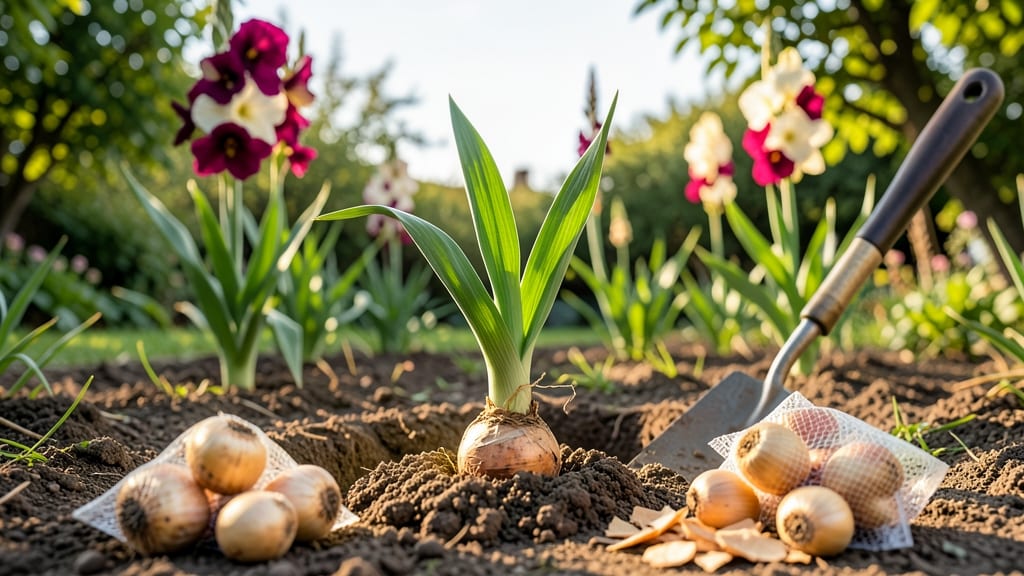
If you've ever struggled to get those stunning 🌸 gladiolus blooms in Florida, when to plant gladiolus in florida is the secret weapon you've been missing.
Unlike northern states, Florida's frost-free winters mean you can plant gladiolus almost year-round—but the exact timing makes all the difference between vibrant flowers and flopping stalks.
Most gardeners in Florida's 9a-11 zones focus on two key planting windows: August-September for fall blooms or February-March for spring displays. But here's the catch: planting too early in summer means battling heavy rains, while waiting too late risks stunted growth before cooler weather arrives.
I'll show you how to calculate your perfect planting schedule based on your specific Florida region, plus pro tips for soil prep and care that keep your gladiolus thriving through our humid summers. Ready to transform your garden with bold, long-lasting blooms?
Let's dive into the ideal weeks before frost (or lack thereof) to plant for maximum impact, so you can enjoy cut flowers from your own backyard all season long.
Florida gladiolus planting calendar: exact weeks before frost for peak blooms
Florida’s unique climate—with its frost-free winters in most areas—means gladiolus can bloom almost year-round. However, even in USDA zones 9a-11, timing matters. The key is planting 6-8 weeks before your target bloom season, since gladiolus need time to establish roots before producing those dramatic spike-like flowers.
Unlike northern states, Florida gardeners focus on two main planting windows: late summer for fall blooms and early spring for summer flowers. The first frost risk is minimal in most of Florida, but northern regions (like Jacksonville or Gainesville) may experience light freezes in winter.
Let’s break down the exact weeks to plant for each region.
🌱 PRO TIP: Use your local average last frost date (even if rare) as a guideline. For example, Orlando’s last frost is around January 15th, while Miami rarely sees frost. Adjust your schedule accordingly.
For fall blooms, aim to plant gladiolus corms in late August (central/south Florida) or early September (northern Florida). This gives them enough time to root before the shorter daylight hours of winter slow growth.
In spring, plant February-March for summer blooms, avoiding the hottest months (June-August) when flowers may struggle.
If you’re in Zone 9a (northern Florida), treat January 15th as your frost line, even if frost is rare. Plant 6-8 weeks before this date for fall blooms. For example, September 1st planting in Gainesville ensures flowers by October-November before cooler temps arrive.
In Zone 10b-11 (south Florida), you can plant year-round, but July-August is ideal for fall blooms. The trade-off: planting too early in summer means dealing with heavy rains and humidity, which can cause rot or fungal issues.
Always plant in well-draining soil to avoid soggy corms.
Pro tip: Use a soil thermometer to check that soil temps are above 60°F (15°C) before planting. Gladiolus corms won’t sprout in cool soil, even in Florida’s
How to adjust gladiolus planting for Florida’s microclimates and frost risks
Florida’s diverse microclimates mean your gladiolus planting schedule should vary by region—even if you’re just 50 miles apart. In North Florida (USDA zones 8a-9a), occasional light freezes can still occur in January, while South Florida (10a-11) rarely sees frost.
Coastal areas stay warmer longer, but inland zones like Lakeland or Ocala may experience sudden temperature drops.
For North Florida gardeners, aim to plant gladiolus corms 8-10 weeks before the first frost—typically mid-September for fall blooms. In Central Florida (9b-10a), you’ve got flexibility: plant in late August to early October for fall displays or February-March for spring blooms.
Meanwhile, South Florida (10b-11) can plant year-round, but August-September is ideal for avoiding summer’s heaviest rains.
Here’s the critical adjustment: soil temperature. Gladiolus corms need soil at 60°F (15°C) or warmer to sprout. Use a soil thermometer to check—if it’s cooler, wait until temperatures stabilize. In coastal areas, soil warms faster, so you can plant 2-3 weeks earlier than inland zones.
⚠️ Frost Risk Alert: Protect Your Gladiolus!
Even in Florida, unpredictable cold snaps can damage gladiolus. If a light freeze (28-32°F) is forecasted, cover plants with frost cloth or mulch heavily (4-6 inches of straw or leaves). For severe freezes (below 28°F)bright, cool spot (like a garage with natural light).
Mulching is your best friend in Florida’s humid summers. Apply 3-4 inches of organic mulch (like pine straw or shredded bark) after planting to retain moisture, regulate soil temperature, and suppress weeds.
In sandy soils (common in Central Florida), mulch also helps prevent corms from drying out during our hot, dry spells.
Don’t overlook drainage—gladiolus hate soggy roots. In low-lying areas or after heavy rains, plant corms on mounds or raised beds to ensure excess water drains away. If your garden has clay soil (like parts of North Florida), amend with compost or perlite to improve aeration.
For extended blooms, stagger your planting: install half your corms in August and the other half in early September. This ensures a continuous display from October through November. In South Florida, you can even plant a small batch in December for early spring blooms!