
Plants
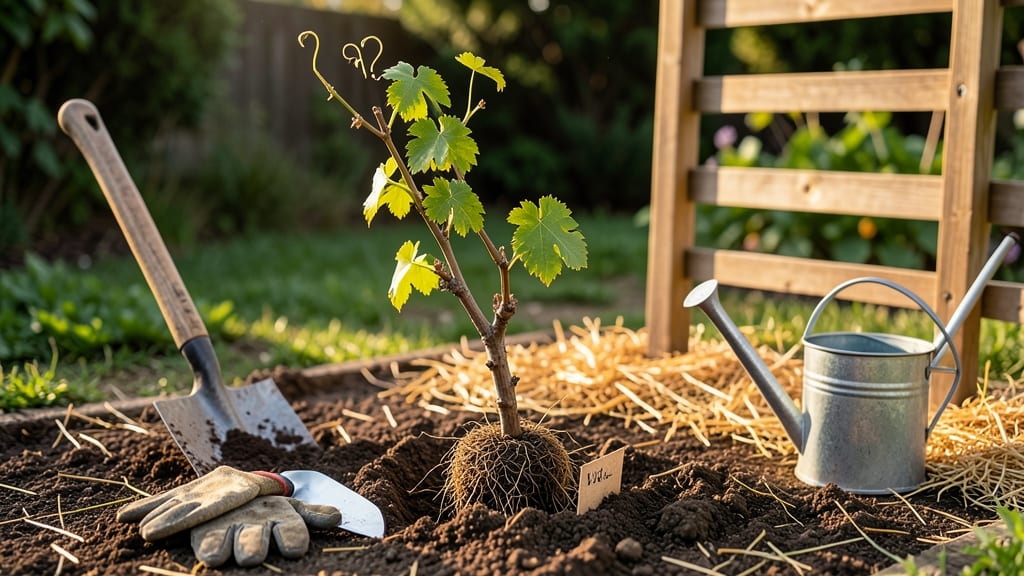
Planting grape vines in Georgia at the wrong time can mean the difference between a thriving 🍇 harvest and a sad, frost-nibbled failure. The state’s mild winters and hot summers create a tricky balance—too early, and your vines won’t survive a late frost; too late, and they won’t establish strong roots before summer’s brutal heat kicks in.
Here’s the secret: timing isn’t just about months—it’s about matching your grape variety to Georgia’s chill-hour zones. Muscadines, the heat-loving native grapes, play by different rules than finicky Vinifera varieties.
I’ll break down exactly when to plant each type, plus how to spot the perfect window before your neighbors’ vines outpace yours.
You’ll also discover why February–March is the sweet spot for most Georgia gardeners (yes, even in the 7b–8b zones), and how to adjust for your specific microclimate—whether you’re in the Coastal Plain or the Piedmont. No more guessing games or wasted effort.
Let’s get your grape vines off to the right start—because once they’re in the ground, they’ll thank you for years to come. Ready to plant with confidence?
Georgia’s ideal planting windows for Muscadine vs. Vinifera grape vines
Georgia’s 7b-8b climate creates perfect conditions for grape vines, but the key to success lies in matching your grape variety to the right planting window. The state’s 300–1,200 chill-hour range means Muscadines thrive in heat, while Vinifera varieties need cooler dormancy periods.
Let’s break down the best times to plant each type for maximum yield.
For Muscadine grapes, native to Georgia’s hot, humid summers, the ideal planting window is late winter to early spring—specifically February through March. These heat-loving vines establish roots quickly in 60–70°F soil and tolerate Georgia’s long, hot growing season without stress.
Planting earlier risks frost damage, while waiting too long delays root growth before summer heat arrives.
Vinifera grapes, like Cabernet Sauvignon or Chardonnay, require 400–1,000 chill hours for dormancy, making them better suited to Georgia’s Piedmont region (higher elevations) than the Coastal Plain. Their planting window is late winter to early spring, but with stricter timing: February 15–March 15. Soil temperatures should reach 55–65°F to avoid stunted growth.
Georgia’s microclimates play a huge role in timing. In the Coastal Plain, where summers are hotter, Muscadines planted in early March have time to establish before peak heat. Meanwhile, Piedmont’s cooler nights allow Vinifera vines to plant as late as mid-March without risking frost damage.
Always check your last frost date—Atlanta’s average is March 15, but rural areas may vary by 2 weeks.
Soil preparation is just as critical as timing. Amend your soil with compost or aged manure to reach the ideal pH of 6.0–6.5. Muscadines tolerate slightly acidic soil, while Vinifera prefers neutral pH. Test your soil 4–6 weeks before planting to give amendments time to integrate.
In Georgia’s clay-heavy soils, mixing in sand or peat moss improves drainage for both varieties.
Container growing is an option for small spaces or urban gardens, but timing shifts slightly. Potted grape vines should be planted in late winter (February) and moved outdoors after the last frost.
Choose large containers (15+ gallons) to accommodate root growth, and use a well-draining potting mix with perlite. Containers dry out faster, so monitor soil moisture closely during Georgia’s hot summers.
If you’re planting bare-root vines, soak the roots in water for 1–2 hours before planting to rehydrate them. For container-grown vines, plant them 1–2 inches deeper than their current soil line to encourage stability.
Prune any damaged roots or canes during planting to reduce stress. In Georgia’s humid climate, apply a fungicide treatment to cut surfaces to prevent disease.
Watering is non-negotiable in the first 30–45 days post-planting. Deep-water your vines every 3–5 days, aiming for 1–2 gallons per vine. In Georgia’s sandy soils, you may need to water more frequently, while clay soils retain moisture longer.
Mulch around the base with straw or wood chips to conserve moisture and regulate soil temperature.
After planting, monitor your vines for signs of stress or disease. Yellowing leaves may indicate overwatering or nutrient deficiency, while brown spots could signal fungal issues like black rot.
Georgia’s high humidity makes vines prone to powdery mildew, so apply neem oil or sulfur sprays preventatively. Regular pruning in late winter promotes airflow and reduces disease risk.
Remember, patience is key—grape vines take 2–3 years to bear fruit. Muscadines may produce earlier, while Vinifera varieties often need 3–4 years of establishment. During this time, focus on soil health, proper pruning, and consistent care to set your vines up for a lifetime of harvests.
With the right timing and attention, your Georgia grape vineyard will thrive! 🍇
Georgia’s ideal planting windows for Muscadine vs. Vinifera grape vines
Georgia’s climate offers two distinct grape-growing seasons, but the key to success lies in matching your grape variety to the right planting window. Muscadine grapes thrive in Georgia’s heat, while Vinifera varieties need careful chill-hour management. Let’s break down the best times to plant each type for optimal growth.
For Muscadine grapes, your best window is late winter to early spring—February through March. These heat-loving vines benefit from warm soil temperatures (at least 60°F) to kickstart root growth.
Planting in Coastal Plain regions (like Savannah) can even extend this window into April due to milder winters.
Vinifera grapes, however, demand more precision. Aim for late February to early March in Piedmont areas (like Athens) where chill hours are higher. Soil temperatures should reach 55°F to prevent root shock. Delaying until April risks stunted growth before Georgia’s summer heat sets in.
| Grape Type | Optimal Planting Month | Soil Temp Requirement | Chill Hours Needed | Georgia Region Fit |
|---|---|---|---|---|
| Muscadine | February–March | 60°F+ | 300–500 | Coastal Plain, Piedmont |
| Vinifera | Late Feb–Early March | 55°F+ | 800–1,200 | Piedmont, North GA |
Microclimates play a huge role in Georgia. In Coastal Plain areas, Muscadines planted in March avoid late frosts, while Vinifera varieties in North Georgia (like Blairsville) can handle April plantings thanks to higher elevations.
Always check your local USDA chill-hour map—Georgia ranges from 300 to 1,200 hours, and mismatches lead to poor yields.
Pro tip: Use bare-root vines for early February plantings—they establish faster in cooler soil. Container-grown vines, however, give you flexibility until April in warmer zones. Just ensure roots aren’t pot-bound before transplanting!
Timing isn’t just about the calendar—it’s about soil readiness. Test your soil’s temperature with a soil thermometer (available at garden centers) to confirm it’s warm enough. For Muscadines, wait until soil hits 60°F; for Vinifera, 55°F is your threshold.
Remember: Planting too early risks frost damage, while planting too late delays root establishment. Georgia’s 215 frost-free days mean you’ve got a long growing season—use it wisely! 🍇