
Plants
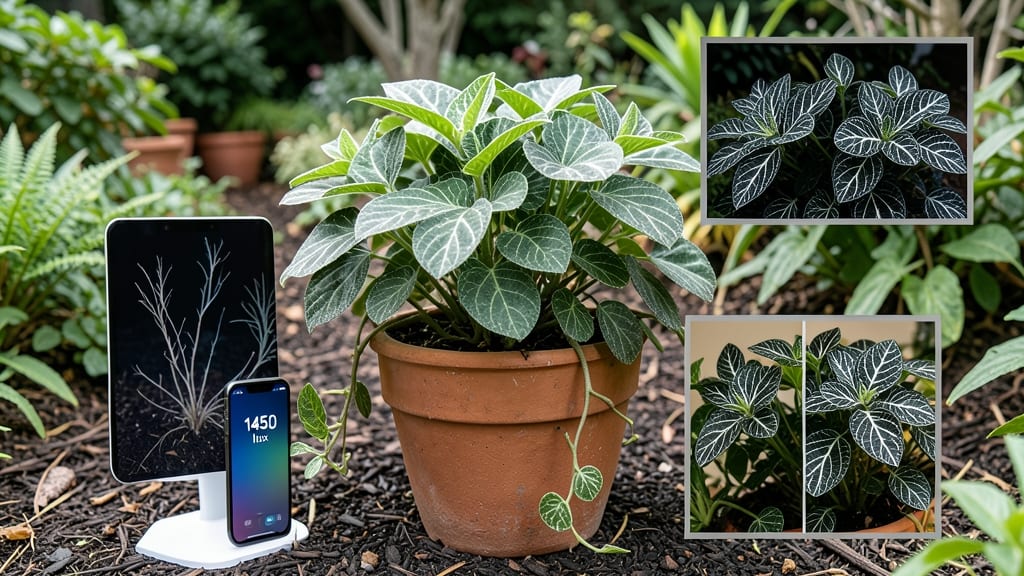
If your nerve plant 🌿 looks dull or leggy, how much light does a nerve plant need is the first question—and you're not alone in guessing how to fix it.
This delicate foliage plant thrives in bright indirect light, but too much sun or too little can ruin its stunning white veins overnight.
Most gardeners struggle with this balance because nerve plants are picky about their lighting. Unlike sun-loving succulents, they need gentle rays—not harsh midday sun—that mimic their natural understory habitat. The wrong setup leads to faded patterns or crispy edges, but getting it right unlocks vibrant growth year-round.
I’ll show you exactly how to spot the perfect spot in your home, whether it’s an east-facing window or a well-lit shelf. You’ll also learn how to adjust for seasonal changes, so your plant stays lush even when natural light fades in winter.
Ready to transform your nerve plant 🌿 from sad to showstopping? Let’s dive into the light secrets that keep these plants thriving indoors.

Ideal light requirements for nerve plant growth: bright indirect sun explained
Your nerve plant (Fittonia) thrives under bright indirect light, which is why it’s perfect for indoor gardeners. This delicate foliage plant needs 4-6 hours of filtered sunlight daily—think of it as a plant that loves morning sun but hates afternoon intensity.
Direct sunlight acts like a sunburn for its leaves, causing crispy edges and faded patterns.
The key is mimicking its natural habitat in shaded tropical forests. In the wild, Fittonia grows under taller trees where light is bright but diffused. Recreate this by placing your plant near a north-facing window or using a sheer curtain to soften east or west-facing light.
Avoid south-facing windows unless you’re using a protective screen.
Here’s how to think about light intensity: Imagine holding your hand between your plant and the light source. If you can read a book comfortably under that light, your nerve plant is getting the perfect amount.
Too little light? Your plant will stretch toward the window, creating leggy growth. Too much? The leaves will turn yellow or brown at the edges.
Seasonal adjustments are crucial, especially if you’re growing your nerve plant indoors. During winter months, natural light drops, and your plant may need a grow light to maintain its vibrant veins. Place a full-spectrum LED grow light 6-12 inches above your plant for 12-14 hours daily.
In summer, watch for signs of stress like yellowing leaves—this often means it’s getting too much direct sun, even through a window.
Outdoor placement is possible but requires caution. Your nerve plant can thrive on a shaded patio or porch if protected from hot afternoon sun. Use a 50% shade cloth or place it under a dappled tree canopy to mimic its natural environment.
Avoid full sun exposure, which can cause irreversible damage to the delicate foliage.
Pro tip: Rotate your plant quarter-turns every 2-3 weeks to ensure even light exposure. This prevents one side from becoming lopsided or leggy as it stretches toward the light source. Think of it like giving your plant a mini vacation to grow evenly in all directions.
If you’re still unsure about your space, here’s a quick test: Place a white piece of paper near your plant’s usual spot. If the light creates a sharp shadow (like a pencil), it’s too direct.
If the shadow is soft and diffused, your nerve plant will love it. This simple trick saves you from trial and error.
Remember, the goal is to keep those stunning white veins crisp and vibrant. With the right light, your nerve plant will reward you with lush, colorful foliage that’s the envy of every plant lover.
Start with bright indirect light, monitor for signs of stress, and adjust as needed—your Fittonia will thank you with year-round beauty.
Ideal light requirements for nerve plant growth: bright indirect sun explained
Your nerve plant 🌿 thrives in bright indirect light, which mimics its natural tropical understory habitat. Think of it as needing the equivalent of a shady forest floor with dappled sunlight filtering through leaves.
Direct sun is a no-go—it burns those delicate white veins, while too little light fades the foliage and stretches the plant unnaturally.
Most gardeners mistakenly assume more light is always better, but nerve plants are sensitive. They need 4-6 hours of filtered light daily, similar to what you’d find near an east or west-facing window. South-facing windows are too intense unless you use a sheer curtain to diffuse the rays.
| Light Condition | Description | Effect on Nerve Plant |
|---|---|---|
| Bright Indirect Light | East/west window, 2-3 ft away; filtered sunlight | Vibrant veins, compact growth, healthy foliage ✅ |
| Low Light | North window, deep shade, no direct sun | Leggy growth, pale leaves, weak veins ❌ |
| Direct Sun | South window, no shade; harsh afternoon rays | Brown crispy edges, bleached veins, leaf scorch ❌ |
In winter, when natural light dims, supplement with a grow light 💡 for 6-8 hours daily. Place it 6-12 inches above the plant to mimic morning or late afternoon sun. Avoid LED bulbs over 4000K—cooler light (2700K-3000K) prevents leaf burn while keeping the veins vibrant.
If you notice your plant leaning toward the light, it’s begging for a better spot. Rotate it quarter-turns weekly to encourage even growth. This prevents one side from getting too much exposure while the other stays in shadow.
Outdoor growers can place nerve plants in partial shade gardens under trees or on shaded patios. Just avoid areas where afternoon sun pools—even a few hours of direct rays can damage the leaves permanently.
Pro tip: Test your spot by holding a white piece of paper near the plant for an hour. If the shadows are sharp and dark, the light is too intense. For perfect conditions, shadows should be soft and slightly blurred.