
Watering
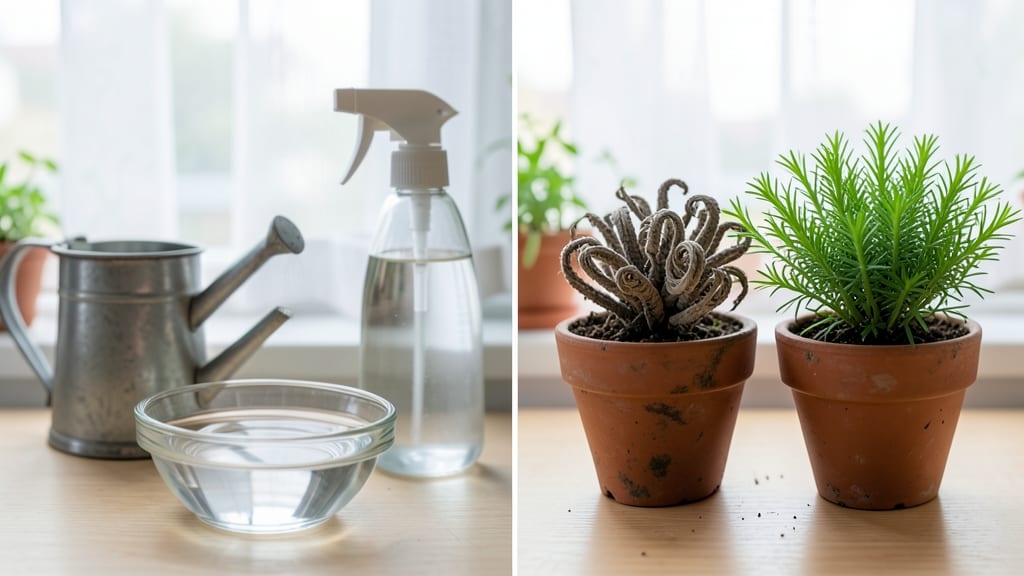
If you’ve ever wondered how much water a resurrection plant 🌵 truly needs to stay alive—or dramatically revive—you’re not alone. This remarkable plant can survive years without a drop, yet most growers struggle to balance its extreme drought tolerance with the occasional hydration it craves.
Here’s the secret: overwatering is the real enemy, not underwatering. While it thrives on neglect during dormancy, the key lies in understanding when to hydrate it just enough to trigger its famous revival without drowning its delicate roots.
In this guide, I’ll break down the exact watering schedule for every season, from bi-weekly soaks in spring to near-zero moisture in winter. You’ll also learn how to revive a dried-out resurrection plant in minutes—and spot the subtle signs that tell you it’s time to water (or not).
Whether you’re a beginner or a seasoned plant parent, mastering this plant’s watering needs turns it from a high-maintenance oddity into a low-effort, high-reward houseplant. Let’s get started.

How much water does a resurrection plant need during dormancy?
The resurrection plant (Selaginella lepidophylla) thrives on minimal water during its dormant phase, which typically lasts 6-9 months in cooler climates.
Unlike most plants, this drought specialist stores moisture in its leaves, allowing it to survive years without water—but that doesn’t mean you should neglect it entirely. The key is zero moisture for true dormancy, while minimal hydration can trigger revival when needed.
During dormancy (usually fall through spring), your resurrection plant should receive almost no water. In fact, the soil should be completely dry to mimic its natural desert conditions. This mimics the plant’s survival strategy: shutting down to conserve energy.
However, if you’re keeping it indoors with low humidity, a single light misting every 2-3 months can prevent irreversible desiccation.
Indoor vs. outdoor care differs slightly. Outdoor plants in USDA Zone 6a or warmer may experience natural rainfall, but even then, avoid watering unless the soil is bone-dry. Indoor plants, however, rely entirely on your watering schedule—so check soil moisture with your finger before deciding. If the top 1-2 inches feel dry, it’s safe to skip watering.
The resurrection plant’s unique revival process begins when you reintroduce water. This isn’t just about hydration—it’s about triggering metabolic activity without shocking the plant. Start with lukewarm water (never cold) and apply it slowly to the soil, not the leaves, to avoid fungal risks.
The plant will unfurl within minutes, but this isn’t a sign to overwater—it’s just waking up!
Overwatering during dormancy is the #1 killer of resurrection plants. Signs include yellowing leaves, mushy stems, or a musty soil smell. If you’ve overwatered, stop immediately and repot in fresh, dry cactus/succulent mix to prevent root rot. On the flip side, underwatering during dormancy won’t harm the plant—it’s designed for it—but it may take longer to revive when you’re ready to wake it up.
Seasonal adjustments are critical. In summer heat (Zones 7-10), dormancy may extend, and watering should be halved. In winter, indoor plants may need a single misting if your home is very dry (below 30% humidity). Always use room-temperature, distilled, or rainwater—tap water’s chemicals can harm the delicate revival process.
| Stage | Water Needs | Frequency | Soil Condition |
|---|---|---|---|
| Dormancy (Fall-Winter) | Zero moisture | Every 2-3 months (optional mist) | Completely dry |
| Early Revival (Spring) | Lukewarm water | Once (slow soak) | Moist but not soggy |
| Active Growth (Summer) | Deep soak | Every 10-14 days | Well-draining, slightly dry between waterings |
| Pre-Dormancy (Late Summer) | Reduce water | Every 21-30 days | Drying out gradually |
Container choice matters just as much as watering. Use terracotta or ceramic pots with drainage holes to prevent root rot. A well-draining cactus/succulent mix (with perlite or pumice) is ideal—avoid peat-heavy soils that retain moisture.
If your plant is in a glass terrarium, reduce watering by 50% since humidity levels are higher.
Pro tip: Place a moisture meter in your resurrection plant’s pot to track soil conditions. Aim for readings below 20% moisture during dormancy. If you’re unsure whether to water, err on the side of dryness. This plant’s survival instincts are unmatched—it’ll bounce back faster than you think!
Remember, the resurrection plant’s dormancy phase is its superpower. By mimicking its natural desert conditions with minimal water, you’re not just keeping it alive—you’re helping it thrive on purpose. Next time you’re tempted to water, ask yourself: “Is this plant waking up, or just surviving?” 🌵
How much water does a resurrection plant need during dormancy?
The resurrection plant’s dormancy phase is where its magic happens—and where most growers go wrong. During dormancy (typically fall through spring), this plant can survive with almost no water.
In fact, keeping it bone-dry mimics its natural desert conditions. The key is minimal intervention: just enough moisture to prevent complete desiccation, but never enough to trigger rot.
For indoor resurrection plants, I recommend checking soil moisture once every 4-6 weeks during dormancy. Stick your finger about an inch deep—if it’s dry, you’re good.
If it’s damp, wait longer. Outdoor plants in pots need even less: monthly checks are often sufficient, as rainwater may occasionally hydrate them naturally.
Here’s the critical rule: never water if the soil feels even slightly moist. The resurrection plant’s roots are extremely sensitive to rot, and overwatering during dormancy is the fastest way to kill it. Think of this phase as a survival test—the plant is built to handle neglect.
| Season | Watering Frequency | Soil Check | Water Amount |
|---|---|---|---|
| Fall (Dormancy Start) | Every 6-8 weeks | Finger-test dry | 10-20ml (2 tsp) |
| Winter (Deep Dormancy) | Every 8-12 weeks | Completely dry | 5-10ml (1 tsp) |
| Spring (Pre-Revival) | Every 4-6 weeks | Surface dry only | 30-50ml (2 tbsp) |
💧 Note: Always use room-temperature rainwater or distilled water to avoid mineral buildup.
Signs you’re overwatering include yellowing leaves or a mushy base. If you see these, stop watering immediately and let the soil dry out completely. On the flip side, underwatering during dormancy is rare—this plant is designed for it!
However, if the plant feels bone-dry and brittle, a light misting (not soaking) can help revive it gently.
For outdoor resurrection plants, container size matters. A smaller pot (4-6 inches) dries out faster than a large one, so adjust your watering schedule accordingly. If your plant is in well-draining cactus mix, you’ll water even less frequently than in regular potting soil.
Pro tip: Place your resurrection plant in a bright, cool spot (like a north-facing window) during dormancy. The lower light levels signal the plant to conserve moisture, reducing its need for water. This mimics its natural habitat perfectly.