
Plants
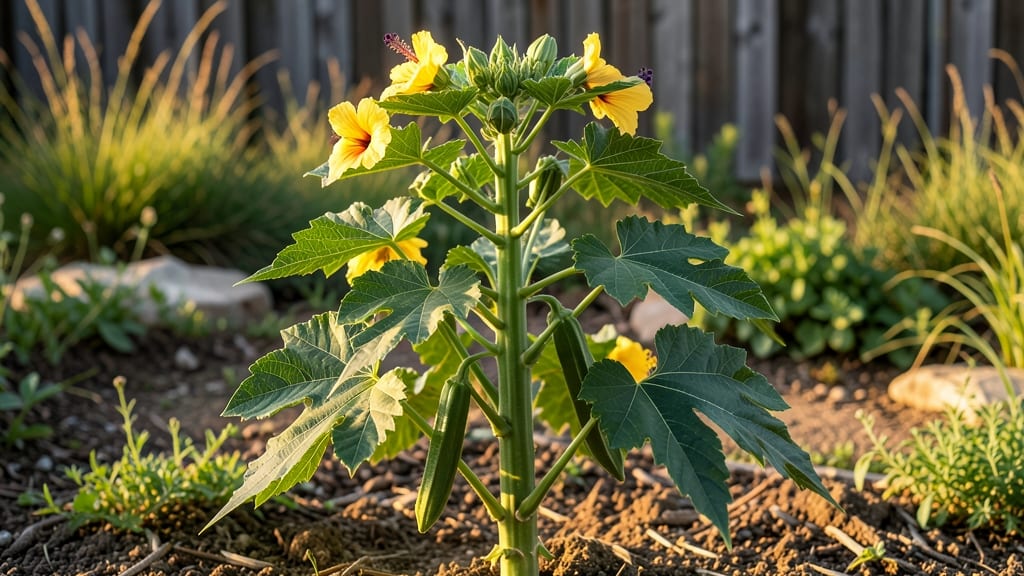
If you're planning your garden and wondering how tall does an okra plant grow, you're in for a pleasant surprise—these plants can reach heights that rival your neighbor's fence, but with the right variety, you can keep them more manageable. 🌱 Whether you're working with a small balcony or a sprawling backyard, understanding okra's growth habits helps you decide where to plant and how to care for it.
Okra isn't one-size-fits-all; some varieties stretch up to 10 feet like a towering green sentinel, while others stay compact at just 3-4 feet. The difference comes down to genetics, sunlight, and even how you prune the plant.
Knowing these details means you can choose the perfect fit for your space and growing goals.
Let’s break down the height ranges by variety so you can pick the best match for your garden layout. From the towering 'Clemson Spineless' to the more modest 'Emerald,' each type has its own growth quirks.
You’ll also discover how to encourage or control height with simple care tips—because even the tallest okra doesn’t have to take over your yard.
Ready to plan your okra patch? By the end of this guide, you’ll know exactly which varieties to plant, how to space them, and how to keep them thriving—no matter how much (or little) vertical space you have.

Okra plant height by variety: from dwarf to towering giants
If you're planning your garden layout, knowing how tall your okra plants will grow is essential. Okra varieties range from compact dwarf types perfect for containers to towering giant varieties that need trellises or dedicated space. The right choice depends on your garden size and growing goals.
Most okra plants reach maturity between 3 to 10 feet, but some varieties stay as short as 3 feet while others can exceed 10 feet in ideal conditions. Understanding these differences helps you plan spacing, trellising, and even companion planting for optimal growth.
Below, I’ve broken down the most popular okra varieties by height, including their growth habits and ideal conditions to help you choose the perfect fit for your garden.
| Variety | Mature Height | Growth Habit | Best For |
|---|---|---|---|
| Clemson Spineless | 6–10 feet | Tall, upright | Large gardens, trellises |
| Emerald | 4–6 feet | Semi-dwarf, bushy | Containers, small spaces |
| Burgundy | 5–8 feet | Tall, upright | Heirloom gardens, trellises |
| Jinchu | 3–4 feet | Compact, bushy | Containers, urban gardens |
| Perennial Okra (e.g., 'Red Okra') | 8–12 feet | Very tall, woody stems | Tropical climates, large plots |
For small gardens or container growing, varieties like Emerald or Jinchu are ideal—they stay under 6 feet and thrive in limited space. If you have a large backyard or want to grow okra along a fence, Clemson Spineless or Burgundy varieties will reach impressive heights and produce abundant pods.
When selecting a variety, also consider your climate zone. Okra grows best in USDA zones 5–11, but taller varieties may struggle in cooler regions unless started indoors. Always check seed packets for days to maturity—this helps you plan when to plant for the best harvest timing.
Pro tip: If you love okra pods but hate waiting for tall plants to mature, opt for early-maturing varieties like Emerald, which can produce harvestable pods in as few as 50 days. This is a game-changer for shorter growing seasons!
Finally, remember that okra height isn’t just about the variety—growing conditions play a huge role. Rich soil, consistent watering, and full sun will encourage taller, healthier plants, while poor soil or drought stress can stunt growth. I’ll cover these factors in detail in the next section.
Now that you know which varieties fit your space, let’s dive into how to maximize (or control) their height based on your garden setup.
Factors that influence okra plant height: sun, soil & care
Okra’s height isn’t just about the variety you pick—it’s also shaped by the growing conditions you provide. Sunlight exposure plays a huge role: okra thrives in full sun (6-8 hours daily), which fuels rapid vertical growth.
Without enough light, plants may stay shorter but produce fewer pods. I’ve seen Clemson Spineless reach 10 feet in ideal conditions, while the same variety in partial shade might max out at 6 feet.
Another key factor is soil fertility. Okra loves well-draining, nutrient-rich soil with a pH between 6.0 and 6.8. If your soil is poor, plants may grow leggy and tall in search of nutrients, rather than bushy and productive.
I always recommend amending soil with compost or aged manure before planting to give okra the strong foundation it needs for healthy growth.
Your watering habits also impact height. Okra is drought-tolerant but grows best with consistent moisture. Overwatering can lead to weak stems and excessive height, while underwatering stresses the plant, slowing growth.
Aim for 1-2 inches of water per week, delivered deeply at the soil base rather than shallowly on the leaves.
- Sunlight
- Soil
- Watering
- Pruning
One of the easiest ways to control okra height is through pruning. If you want a bushier plant with more side branches (and thus more pods), pinch off the top few inches of young plants when they reach 12-18 inches tall.
This encourages lateral growth instead of a single tall stalk. I’ve used this trick with Emerald okra, keeping it at a manageable 4-5 feet instead of its natural 6-foot height.
Finally, spacing matters. Crowded okra plants compete for nutrients and light, often resulting in taller, weaker stems. Give each plant 18-24 inches of space in rows spaced 3 feet apart.
This airflow also reduces disease risk, helping plants focus energy on healthy, balanced growth rather than stretching upward.
With these factors in mind, you can shape your okra’s growth to fit your garden perfectly—whether you’re aiming for a tall, dramatic backdrop or a compact container-friendly plant. The key is observing your plants and adjusting care as they grow. 🌿