
How To
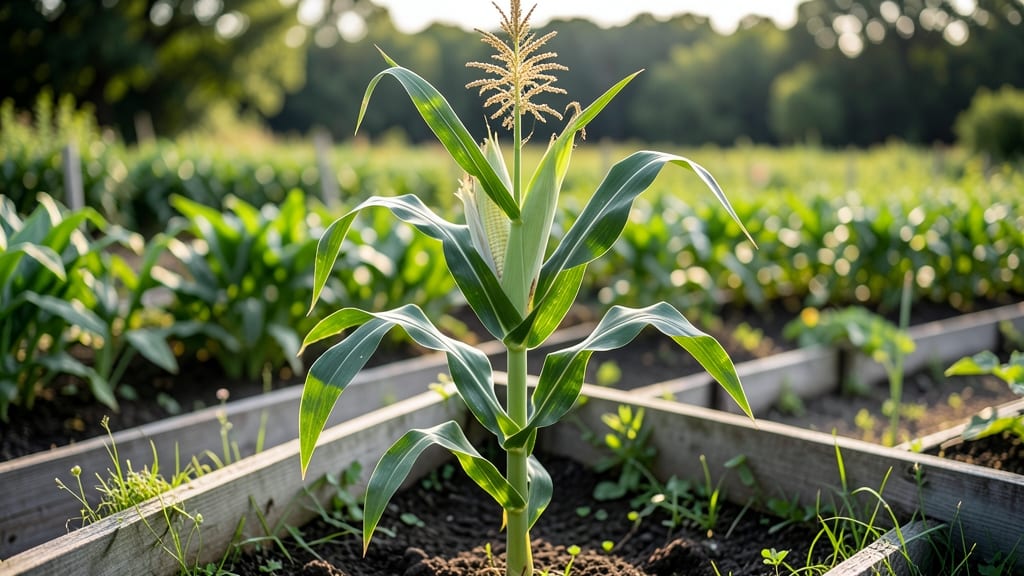
If you’ve ever wondered how tall the corn plant can grow, the answer depends on the type of 🌽 corn you’re growing. Some varieties reach 12 feet—taller than a basketball hoop—while others stay as short as 3 feet, making them perfect for small gardens or containers.
The height of your corn isn’t just about aesthetics—it impacts spacing, trellising needs, and even how much sunlight your plants will get. For example, standard sweet corn varieties typically grow between 6 and 10 feet, while ornamental varieties like flint corn can stretch even taller.
But dwarf varieties, bred for tight spaces, might only reach waist height.
What you might not realize is that genetics play a huge role, but so do your growing conditions. Poor soil, lack of sunlight, or overcrowding can stunt even the tallest varieties, while rich soil and full sun can push them to their full potential.
The key is choosing the right type for your space and giving it the care it needs to thrive.
Ready to pick the perfect corn for your garden? I’ll break down the height ranges by variety, share growth stage milestones, and give you pro tips to control or maximize height—so you can grow corn that fits your space and your goals.

Corn plant height by variety: from dwarf to giant stalks
When planning your corn garden, the first question I always ask myself is: How much vertical space do I actually have? Corn isn't just one size—it comes in a stunning range of heights, from compact ornamental varieties perfect for small gardens to towering field corn that can reach basketball hoop heights.
Understanding these differences helps me choose the right variety for my space and growing goals.
The average mature height for most sweet corn varieties falls between 6 to 8 feet, but some can stretch up to 10 feet or more under ideal conditions.
Ornamental corn, like Indian corn or flint corn, often stays shorter at 4 to 6 feet, making it ideal for decorative purposes or small plots.
Meanwhile, field corn varieties can reach 12 feet or taller, which is why they're typically grown on large farms rather than home gardens.
Here's where things get interesting: the height of your corn isn't just about the variety. Genetics play a role, but so do growing conditions like sunlight, soil quality, and even water availability.
For example, a dwarf corn variety might only reach 3 to 4 feet in a container, while the same variety planted in rich, well-drained soil with full sun could grow 2 feet taller.
That's why I always recommend testing your soil and providing consistent care if you want to maximize height—or control it in small spaces.
🌽
If you're growing sweet corn for eating, standard varieties like 'Silver Queen' or 'Peaches and Cream' typically reach 7 to 8 feet, which is perfect for most home gardens. These varieties also produce multiple ears per stalk, making them a great choice for families.
For ornamental purposes, I love using Indian corn varieties like 'Black Aztec' or 'Rainbow', which stay shorter but offer stunning colors and textures for fall decorations.
One of the biggest mistakes I've seen gardeners make is assuming all corn plants grow the same height. Field corn, for example, can easily surpass 10 feet, which is why it's rarely grown in home gardens unless you have a very large plot.
If you're working with limited space, dwarf varieties are a game-changer—they allow you to grow corn in containers or small raised beds without sacrificing yield or quality.
Another factor to consider is wind exposure. Tall corn varieties, especially those over 8 feet, can become top-heavy and prone to lodging (falling over) in windy conditions. If you live in an area with strong winds, consider planting shorter varieties or using stakes or trellises to provide support.
I've found that semi-dwarf varieties strike a great balance—they're tall enough for good ear production but sturdy enough to handle typical garden winds.
Corn growth stages and height milestones: when to expect major growth spikes
Corn doesn’t grow steadily—it has distinct growth stages where height increases dramatically. Understanding these milestones helps you predict when your plants will reach their full potential or when to intervene if growth stalls.
For example, most sweet corn varieties add 2-3 feet in height during the vegetative stage, but the real skyrocket happens during tasseling.
The first 2 weeks after germination focus on root and leaf development, with plants typically reaching just 6-12 inches. This is when proper soil moisture and sunlight set the foundation for future growth. Skipping this step can lead to weak stalks that struggle to support later height gains.
Here’s what to expect at each stage, including the height milestones and environmental factors that influence growth rate:
-
Seedling Stage (0-2 weeks)
Height: 6-12 inches | Focus: Root and leaf development -
Vegetative Stage (3-6 weeks)
Height: 2-5 feet | Focus: Rapid stalk elongation (adds 1-2 feet/month) -
Tasseling Stage (7-8 weeks)
Height: 6-10 feet | Focus: Major growth spike (tall varieties gain 3+ feet) -
Pollination Stage (8-9 weeks)
Height: 8-12 feet | Focus: Height plateaus; energy shifts to ear development -
Maturity Stage (10-12 weeks)
Height: Final height reached | Focus: Kernel filling (no further height gain)
Environmental factors like temperature and nutrient availability can accelerate or slow these milestones. For instance, cool nights (below 50°F) delay tasseling, while consistent warmth and balanced fertilizer (like 10-10-10 NPK) can push plants to their genetic height potential faster.
I’ve seen sweet corn varieties like Silver Queen hit 10 feet in just 60 days with ideal conditions!
If your corn seems to stall during the vegetative stage, check for nutrient deficiencies (yellowing leaves) or overcrowding (stalks leaning). These issues can reduce final height by 20-30%.
On the flip side, ornamental corn like Black Aztec may take longer to reach maturity but often grows taller due to its deeper root system.
Monitoring these stages helps you time harvesting and spacing adjustments effectively. For example, if you’re growing dwarf corn in containers, you’ll want to harvest by the pollination stage to avoid overcrowding. Meanwhile, giant varieties may need trellising support by the tasseling stage to prevent lodging.
Ready to fine-tune your corn’s growth? In the next section, I’ll share proven techniques to maximize or control height—whether you’re aiming for sky-high stalks or compact plants for small spaces. 🌽