
Watering
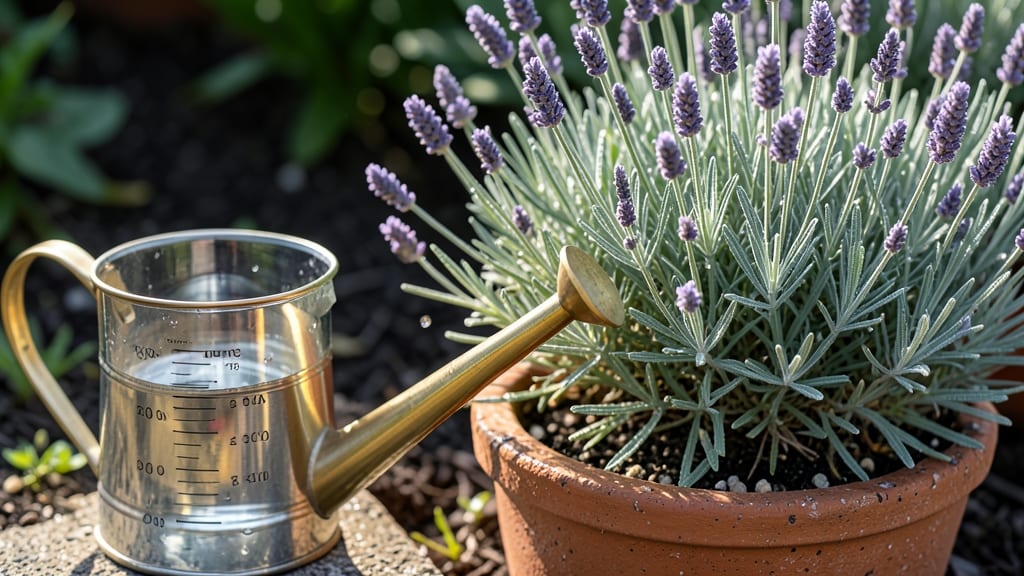
If your lavender plant how much water it needs is the secret to keeping it vibrant, you’re probably overcomplicating its care. Lavender thrives on neglect—specifically, the kind that comes from deep but infrequent watering. The key? Understanding how much water lavender truly needs without drowning its delicate roots.
Most gardeners make the mistake of watering lavender too often, turning their fragrant shrubs into sad, wilted stalks. But here’s the secret: lavender loves dry soil and hates soggy feet.
Whether you’re growing it in containers or in your backyard, the right watering routine can mean the difference between a lush, blooming plant and a crispy disaster.
In this guide, I’ll break down exactly how often to water lavender—from spring’s frequent showers to summer’s scorching heat—and how to adjust for your climate. You’ll also learn the best techniques to avoid overwatering, like deep soaking and checking soil moisture before reaching for the hose.
Ready to keep your lavender thriving? Let’s dive into the simple, foolproof watering schedule that’ll have your plants blooming beautifully year after year.

How often to water lavender plants by season (exact schedule)
Lavender plants thrive on consistent neglect—they despise soggy roots but won’t survive drought either. The key is deep, infrequent watering that mimics their natural Mediterranean climate.
As a rule, established lavender needs water every 2-3 weeks, but this changes dramatically by season. Let’s break it down so you never guess again.
In spring, young lavender plants (under 1 year) need weekly watering to encourage root growth. Mature plants, however, can wait 10-14 days between drinks. The soil should dry out completely between waterings—stick your finger 2 inches deep.
If it’s damp, wait longer. Spring is also when you’ll see the most growth, so monitor closely for wilting leaves, a sign of thirst.
During summer’s scorching heat, lavender’s water needs drop surprisingly low. Most mature plants only need water every 3-4 weeks, thanks to their drought-resistant roots. The exception? Potted lavender, which dries out faster and may need weekly watering.
Always water at sunrise to prevent evaporation and fungal growth. Pro tip: Group lavender with thyme or rosemary—they share the same watering needs!
Fall brings cooler temps, and lavender’s water needs adjust. Bi-weekly watering is ideal, but reduce further if rains arrive. The goal is to keep the soil slightly moist but never soggy.
Overwatering in fall can lead to root rot before winter dormancy sets in. Test soil moisture by lifting a plant—if the root ball feels heavy, hold off on watering.
Winter is lavender’s dormant season, and most varieties need water only once a month—or not at all if you live in a dry climate. Snow acts as natural insulation, so avoid disturbing the soil.
In USDA Zone 7 and colder, mulch lightly with gravel or straw to protect roots from freezing. If your lavender is potted, move it to a sheltered spot to prevent windburn.
Your soil type plays a huge role in watering. Lavender hates clay soil, which holds too much moisture. If your garden soil is heavy, amend it with sand or perlite to improve drainage. A quick test: Dig a hole, fill it with water, and time how long it drains.
If it takes longer than 30 minutes, your soil needs amending. For container gardening, use a mix of cactus soil and perlite—this combo ensures excess water drains instantly.
Mulching is a game-changer for lavender. Unlike other plants, lavender benefits from gravel or pebbles around its base. This reflects sunlight (lavender loves heat!) and prevents soil moisture from lingering. Organic mulches like wood chips can suffocate roots, so skip them.
If you’re growing lavender in USDA Zone 8 or hotter, a 2-inch layer of gravel can reduce watering needs by 30% during summer.
One of the biggest mistakes gardeners make is watering lavender at night. Cool evening temps slow evaporation, trapping moisture around roots and inviting fungal diseases. Always water in the early morning so leaves dry quickly.
Another pro move? Use a soaker hose or drip irrigation to deliver water directly to the soil, avoiding wetting foliage. This method also saves water—lavender’s roots run deep, so surface watering is wasted.
If you’re unsure whether your lavender needs water, <
How often to water lavender plants by season (exact schedule)
Lavender thrives on consistency, but its water needs shift dramatically with the seasons. Unlike thirsty annuals, lavender is a drought-loving Mediterranean native, so the key is deep, infrequent watering—never soggy soil.
In my Zone 6a garden, I’ve learned that spring and fall demand the most attention, while summer droughts actually help lavender harden off. Let’s break it down by season so you can mimic nature’s watering rhythm.
Start with young lavender plants (first year), which need weekly watering to establish roots. Once established, mature lavender in well-draining soil can go 3-4 weeks without water in summer.
The trick? Water deeply—aim for 1-2 inches of moisture per session—to encourage deep root growth. Shallow watering stresses lavender, leading to weak stems and poor blooms.
For container-grown lavender, the rules change slightly. Pots dry out faster due to limited soil volume, so water every 7-10 days in summer—even if it feels excessive. I use terracotta pots because they wick away moisture faster than plastic, preventing root rot.
Pro tip: Check soil moisture by sticking your finger 2 inches deep; if it’s dry, water until it runs out the drainage holes.
Climate plays a huge role. In hot, dry regions (like Zone 7b+), lavender often needs no supplemental water once established—rainfall alone suffices. But in humid climates or rainy springs, lavender can suffocate.
I’ve seen root rot in just 48 hours from overwatering in Pacific Northwest gardens. Always prioritize well-draining soil with gravel or sand amendments to mimic its native Mediterranean habitat.
Seasonal adjustments are critical. In early spring, when lavender breaks dormancy, I water every 5-7 days until new growth appears. By late summer, I halt watering entirely unless we’re in a prolonged drought.
This dormancy trick boosts next year’s blooms. Think of lavender like a camel—it stores water in its thick, woody stems for lean times.
Remember: Lavender’s fragrance fades when stressed, whether from too much or too little water. Stick to this schedule, and your lavender will reward you with vibrant purple spikes and that unmistakable aroma for years. Happy growing!