
Companion Plants
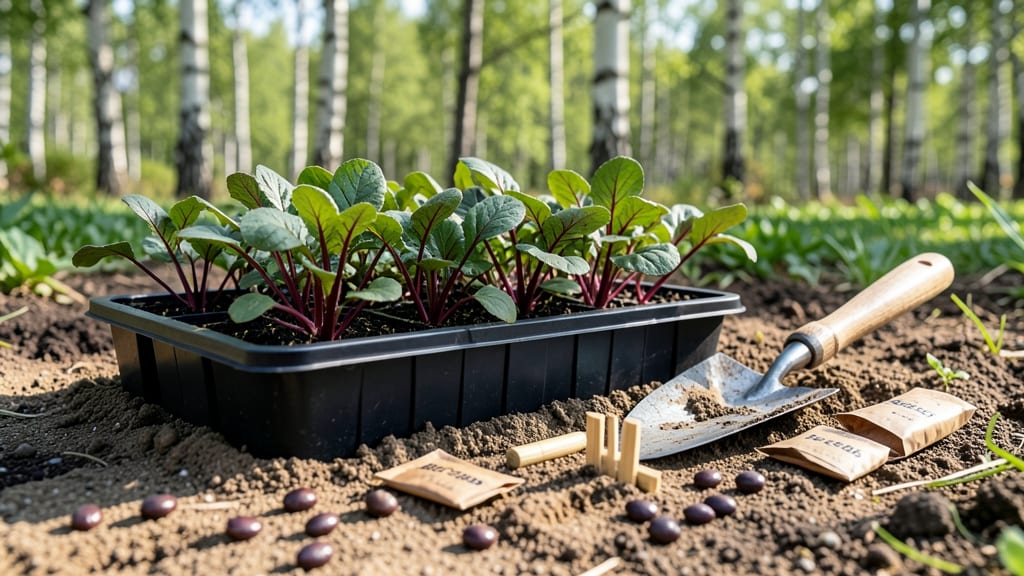
Knowing when to plant beets in Zone 6 can mean the difference between a garden full of sweet, tender 🥕 and a patch of disappointment.
These cool-weather crops are eager to germinate as soon as the soil warms to 45°F, but planting too early risks frost damage while waiting too long can lead to bolting—when beets flower instead of forming roots.
For gardeners in Zone 6 (like those in the Midwest or Northeast), timing is everything. The ideal windows are early spring—just 4-6 weeks before your last frost—or late summer for a fall harvest.
This gives your beets enough time to mature before summer heat sets in or winter frost arrives.
What makes this even more exciting? Beets are one of the fastest-growing vegetables in your garden, with many varieties ready to harvest in just 50-60 days.
Whether you're aiming for a quick spring crop or a late-summer harvest, getting the timing right ensures you’ll enjoy fresh, homegrown beets all season long.
Let’s break down the exact weeks before last frost, soil temperature tips, and how to adjust for your local microclimate—so you can plant with confidence and enjoy a bumper crop of these versatile, nutrient-packed roots.

Best planting windows for beets in Zone 6 (with exact weeks before last frost)
In Zone 6, beets love cool weather but struggle in extreme heat or frost. The key to success is planting them at the right time—typically 4-6 weeks before your last spring frost and again in late summer for a fall harvest.
For most of Zone 6, this means early March to mid-April for spring and July to early August for fall. Timing ensures your beets germinate quickly and grow before summer’s heat sets in.
Zone 6’s last frost date usually falls between mid-April and early May, depending on your exact location. For example, in Chicago (Zone 6a), the last frost is around April 15, while in Raleigh (Zone 6b), it’s closer to April 1.
Planting too early risks frost damage, while waiting too long can lead to bolting (premature flowering) or tough, fibrous roots.
Beets germinate best in soil temperatures between 40°F and 85°F. For spring planting, aim to sow seeds when soil temps reach 45°F—usually by late March in southern Zone 6 and early April in northern areas.
If you plant too early in cold soil, seeds may rot or take weeks to sprout. Use a soil thermometer to check—it’s your best friend for timing!
| Planting Window | Weeks Before Last Frost | Soil Temp (°F) | Key Notes |
|---|---|---|---|
| Early Spring | 4-6 weeks | 45-65°F | Fast germination; harvest by early summer |
| Late Summer | 8-10 weeks before first frost | 50-75°F | Avoids bolting; harvest before frost |
| Fall (Cool Regions) | 10-12 weeks before first frost | 40-60°F | Slow growth; protect with row covers |
For a continuous harvest, use succession planting every 2 weeks in spring and 3 weeks in summer. This ensures you always have fresh beets ready to pick.
In Zone 6, you can even squeeze in a third planting in early September for a late-fall harvest, as long as you protect seedlings with row covers or straw mulch when nights dip below 40°F.
Microclimates matter in Zone 6! If you live in a warmer microclimate (like near a lake or urban heat island), you can push spring planting slightly later—aim for late April instead of March.
Conversely, in cooler highland areas, start seeds indoors in February for an earlier transplant. Always monitor local weather patterns, as unpredictable frost can throw off your timeline.
Pro tip: If your soil is still too cold for planting, try pre-sprouting seeds indoors 1-2 weeks before your target date. Place seeds in a damp paper towel, keep them in a warm spot (70°F), and transplant them outdoors once they’ve sprouted.
This gives you a 2-week head start on germination and faster growth.
Remember, beets are hardy annuals that tolerate light frost, but they won’t thrive in freezing temperatures. If a late frost is forecasted after planting, cover seedlings with frost cloth or old blankets to protect them.
With the right timing, you’ll enjoy sweet, tender beets from late spring to early fall—no summer break needed!
For Zone 6 gardeners, the golden rule is: "Plant early, plant often, and harvest young". This keeps your beets sweet and your kitchen stocked all season long. 🥕
Best planting windows for beets in Zone 6 (with exact weeks before last frost)
In Zone 6, beets love cool weather but bolt (go to seed) when temperatures climb above 85°F. Your best planting windows are 4-6 weeks before your last frost date in spring and again in late summer for a fall harvest.
For most of Zone 6, this means mid-March to early April for spring plantings and mid-July to early August for fall crops.
Beets germinate best in soil temperatures between 40-85°F. If you plant too early when soil is still cold (<40°F), germination slows dramatically. Conversely, planting too late in spring risks bolting before you harvest. Zone 6’s last frost date typically falls around mid-April, so aim to plant 4-6 weeks before that—usually by early March.
| Planting Window | Weeks Before Last Frost | Soil Temp (°F) | Notes |
|---|---|---|---|
| Early Spring | 4-6 weeks | 40-65°F | Plant by early March for harvest by June. |
| Late Summer | 10-12 weeks before first frost | 55-75°F | Plant by mid-July for harvest by October. |
For succession planting, sow new seeds every 2 weeks after your initial planting. This ensures a continuous harvest and reduces the risk of bolting. In Zone 6’s hot summers, focus on shade cloth or late-afternoon shade to keep soil temps cool for seeds.
If you’re in Zone 6a (colder microclimates like northern Indiana or upstate New York), push spring planting to late March to avoid frost damage. In Zone 6b (warmer areas like central Missouri or Virginia), you can start as early as February under row covers.
Always check your local frost dates—they can vary by 1-2 weeks even within Zone 6. Use a soil thermometer to confirm temps are above 40°F before planting. This small step can double your germination rate!