
Flowers
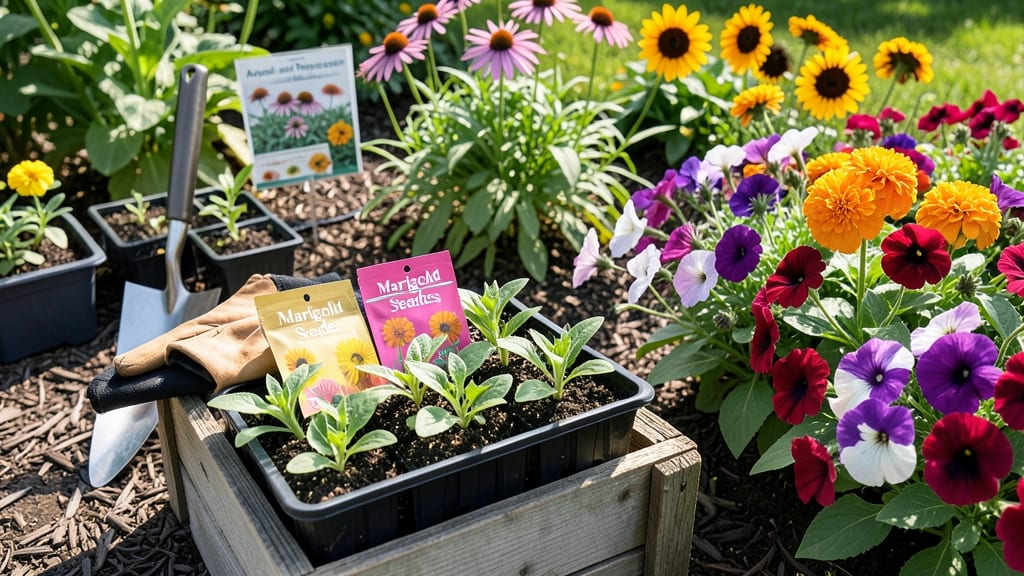
Timing your flower planting in Michigan can feel like a guessing game—get it wrong, and your 🌸 blooms might never make an appearance.
The key to success lies in understanding your specific hardiness zone (like 5b-6b) and when those last frost dates actually arrive in your corner of the state.
Whether you're dreaming of vibrant annuals or hardy perennials, planting too early risks frost damage, while waiting too long might mean missing peak bloom season. I’ll break down the exact frost-free windows for Michigan’s diverse regions, so you can plant with confidence—no more second-guessing or wilted dreams.
From Detroit’s urban heat islands to the Upper Peninsula’s cooler climates, each area has its own rhythm. You’ll learn how to read soil temperatures, adjust for late frosts, and even extend your growing season with simple tricks that work. Let’s get those flowers in the ground at the perfect moment!
Ready to transform your garden into a year-round showstopper? The right timing starts here—let’s dive into Michigan’s best planting windows for every type of flower.
Michigan flower planting dates by hardiness Zone (2024 frost-free timeline)
Michigan spans USDA Hardiness Zones 4a to 6b, meaning frost dates vary dramatically from the Upper Peninsula (Zone 4a) to southern Michigan (Zone 6b).
The average last frost date ranges from May 1 in Zone 4a to mid-April in Zone 6b, but late frosts can hit as late as June 1 in northern regions.
Always verify local data using the Michigan State University Extension frost maps or the USDA Plant Hardiness Zone Map.
For annual flowers, timing is critical—plant too early, and a late frost will kill tender seedlings.
For perennials and bulbs, like tulips or daffodils, you can plant in fall (September–October) or early spring (March–April) when soil is workable. Heat-loving annuals, such as marigolds or petunias, should wait until after May 15 in most zones to avoid heat stress.
Pro Tip: Use a soil thermometer—most flowers thrive when soil temps reach 50°F (10°C). In Zone 4a, this often means waiting until late May, while Zone 6b gardeners can plant as early as April 15. Always check 7-day frost forecasts before planting frost-sensitive varieties.
If you’re in Zone 4a or 5a, consider starting frost-sensitive annuals indoors in March for a head start. Use grow lights or a sunny windowsill to ensure strong seedlings before transplanting.
For Zone 6a/6b, you can even plant some cool-season flowers like pansies in early March under row covers to beat the competition.
For fall planting, aim for August 15–September 15 in all zones. This gives flowers time to establish roots before winter. Bulbs like tulips should be planted by October 1 in Zone 4a and by November 1 in Zone 6b. Always water thoroughly after planting to encourage root growth.
Remember: Microclimates matter! Areas near
Best flowers to plant by month in Michigan (with frost risk alerts)
Michigan’s flower planting calendar shifts dramatically from month to month, with frost risks lingering well into May in some zones. I’ve broken down the best flowers to plant each month, so you can avoid the heartbreak of frost-killed blooms while maximizing your garden’s potential.
Think of this as your monthly cheat sheet for timing!
March is all about cool-season prep. Plant pansies, snapdragons, and sweet peas—these hardy annuals tolerate light frosts and even thrive in cooler temps. For perennials like tulips and daffodils, March is your window to get bulbs in the ground before the soil warms too much.
Just cover them with mulch to protect from late frosts.
April is where things get critical. Wait until after your average last frost date (usually mid-April in Zone 5b, later in Zone 4a) to plant heat-loving annuals like impatiens, geraniums, and marigolds.
For Zone 6b, you might even squeeze in petunias and zinnias by late April. Pro tip: Use a soil thermometer—plant when soil hits 50°F (10°C).
- March: Pansies, snapdragons, sweet peas, tulip/daffodil bulbs (frost-hardy)
- April: Impatiens, geraniums, marigolds, petunias (wait for soil warmth)
- May: Zinnias, cosmos, sunflowers, annual phlox (frost-free zone)
- June: Late-bloomers like dahlias, cannas, and heat-tolerant perennials
May is your golden window for most annual flowers. Once the risk of frost has passed (usually by May 15 in most of Michigan), dive into zinnias, cosmos, and sunflowers.
These thrive in warm soil and long daylight hours. For perennials like coneflowers and black-eyed Susans, May is ideal—they’ll establish roots before summer heat arrives.
June might seem late, but it’s perfect for heat-loving varieties like dahlias, cannas, and tropical hibiscus. These need consistent warmth to flourish, so don’t rush them. June is also your last chance to direct-sow late-blooming perennials like shasta daisies or Russian sage.
Just keep an eye on watering needs—June heat can dry out soil quickly.
Don’t forget about fall planting! August and September are prime times for bulbs like tulips and crocuses, as well as cool-season annuals like calendulas and stock. These will bloom next spring with minimal fuss.
For perennials, fall planting gives roots time to establish before winter—just avoid planting when soil temps drop below 50°F (10°C).
Remember, Michigan’s microclimates matter. A Detroit garden might be frost-free by May 1, while the Upper Peninsula could still see frosts in June. Always check your local frost dates and adjust accordingly. With this timeline, your flower garden will be a nonstop show from spring to fall!