
Companion Plants
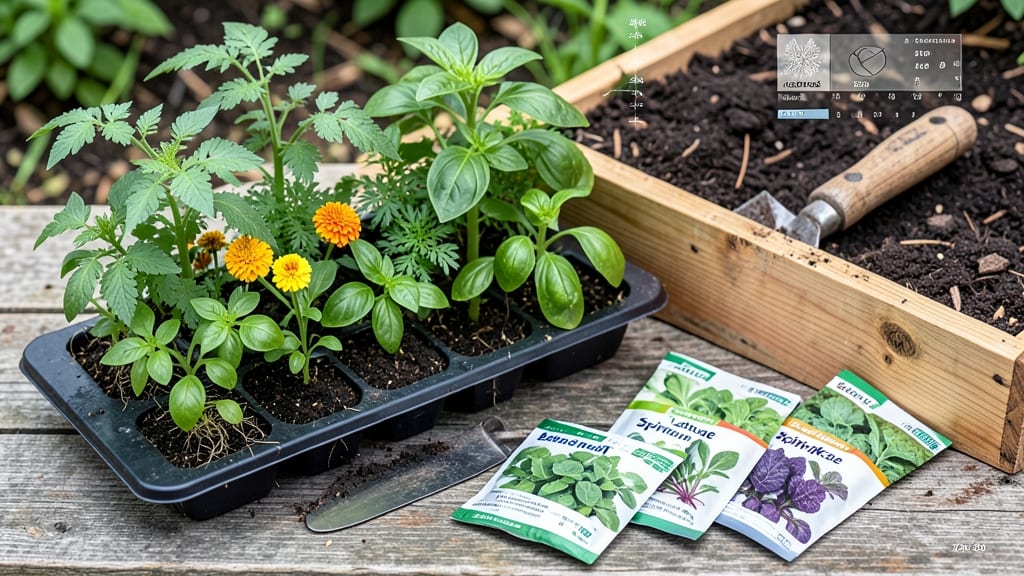
If you've ever wondered when can I plant in Zone 6b without risking frost damage or wasted seeds, you're not alone. Getting the timing right in this zone can feel like solving a puzzle—especially when spring temperatures swing wildly from 30°F to 70°F in just a few weeks.
The key to success lies in understanding your last frost date (around April 15 in most of Zone 6b) and planning accordingly.
Whether you're dreaming of crisp lettuce or juicy tomatoes, knowing the perfect window for each crop means the difference between a lush garden and a sad, brown patch in your yard. Let me break down exactly what you need to know to time your planting like a pro.
From cool-season crops that thrive in early spring to heat-loving vegetables that need warm soil, we'll cover it all. You'll learn which plants to start indoors, when to direct-sow, and how to handle those unpredictable late frosts that can derail even the best-laid plans.
Ready to turn your garden into a thriving oasis? Let's get started.
This isn't just about throwing seeds in the dirt and hoping for the best—it's about working with nature's rhythm. I'll share my top tips for adjusting your schedule based on soil temperature, microclimates, and even the phase of the moon (yes, really!).
By the end, you'll have a clear roadmap to planting success that works for your specific location in Zone 6b.

Zone 6b last frost dates: key planting windows by season
In Zone 6b, the last spring frost typically arrives around April 15, while the first fall frost usually hits October 15. These dates create your 165 frost-free days, the golden window for growing warm-season crops like tomatoes and peppers.
However, microclimates—like urban heat islands or sheltered valleys—can shift these dates by 1-2 weeks.
For cool-season crops, such as spinach and peas, I start planting as early as early March, even if the ground is still cold. These hardy plants tolerate light frosts and can even thrive in 32-40°F soil temperatures.
Warm-season crops, like cucumbers and beans, must wait until after the last frost—usually mid-May—when soil temperatures reach 60°F+.
Zone 6b’s heat zone (typically 8a-9a in summer) means some crops, like sweet potatoes, need longer growing seasons. If you’re unsure about your exact last frost date, I recommend checking local weather records or using a frost calendar app for real-time updates.
Fall planting is a game-changer in Zone 6b. I always sow cool-season crops 4-6 weeks before the first frost to ensure a harvest before winter sets in. For example, garlic can be planted in October for a summer harvest the following year.
Perennials, like asparagus and rhubarb, also benefit from fall planting—they establish roots before winter dormancy.
Microclimates play a huge role in Zone 6b. A south-facing slope might warm up 1-2 weeks earlier than a north-facing valley. To account for this, I recommend planting early varieties in cooler spots and late varieties in warmer areas.
For instance, tomatoes can go in late April on a sunny hillside but should wait until mid-May in a shaded low spot.
If you’re new to Zone 6b gardening, start with cold-hardy crops like kale and peas in early spring. These are forgiving if frost hits unexpectedly. For warm-season crops, use row covers to extend the season—this can push your last planting date by 2-3 weeks.
Pro tip: Use a soil thermometer to check temperatures before planting. Most seeds need 50-60°F soil to germinate properly. If your soil is too cold, wait a few more days or use black plastic mulch to warm it up faster.
Remember, Zone 6b’s unpredictable weather means flexibility is key. Always have a backup plan—whether it’s extra row covers or a greenhouse—for late frosts or early heatwaves.
Best crops to plant in Zone 6b: timing by growth cycle
In Zone 6b, your planting schedule should align with each crop’s temperature preferences and growth cycle. Cool-season crops like spinach and peas thrive in early spring or late summer, while tomatoes and peppers need warm soil and air after the last frost.
Perennials, like lavender or hostas, can go in early spring or fall for root establishment.
For cool-season vegetables, start seeds indoors 4-6 weeks before your last frost date (mid-April in most of Zone 6b). Transplant seedlings or direct-sow hardy greens like kale and broccoli as early as late March.
These crops tolerate light frosts and even snow cover if the ground isn’t frozen.
- Late March: Direct-sow peas, spinach, and lettuce (cool-season crops).
- Mid-April: Transplant broccoli, cabbage, and onions after last frost.
- Late April: Start tomatoes, peppers, and eggplants indoors or use transplants.
- Early June: Direct-sow beans, cucumbers, and squash for summer harvest.
- Late July: Plant fall greens (kale, radishes) and garlic for next year.
Warm-season crops like tomatoes and peppers need soil temperatures above 60°F to germinate. Wait until mid-May to transplant these heat-lovers, or use row covers to extend the season. For succession planting, sow beans or lettuce every 2-3 weeks to ensure a continuous harvest.
Perennials and ornamental plants like daylilies or coneflowers should be planted in early spring or early fall (4-6 weeks before first frost). This gives roots time to establish before winter dormancy. Avoid planting perennials in summer heat, as stress increases transplant shock.
Herbs like basil and cilantro are finicky in Zone 6b. Basil thrives in full sun and should go in after last frost, while cilantro bolts in heat—plant it in early spring or late summer for a fall harvest. Rosemary and thyme, however, are drought-tolerant perennials that can handle Zone 6b’s winters with proper mulching.
Don’t forget fall planting! Many crops, like carrots, radishes, and spinach, grow well in cool fall weather. Sow these 4-6 weeks before your first frost (mid-October in Zone 6b) for a winter harvest before the ground freezes.