
Companion Plants
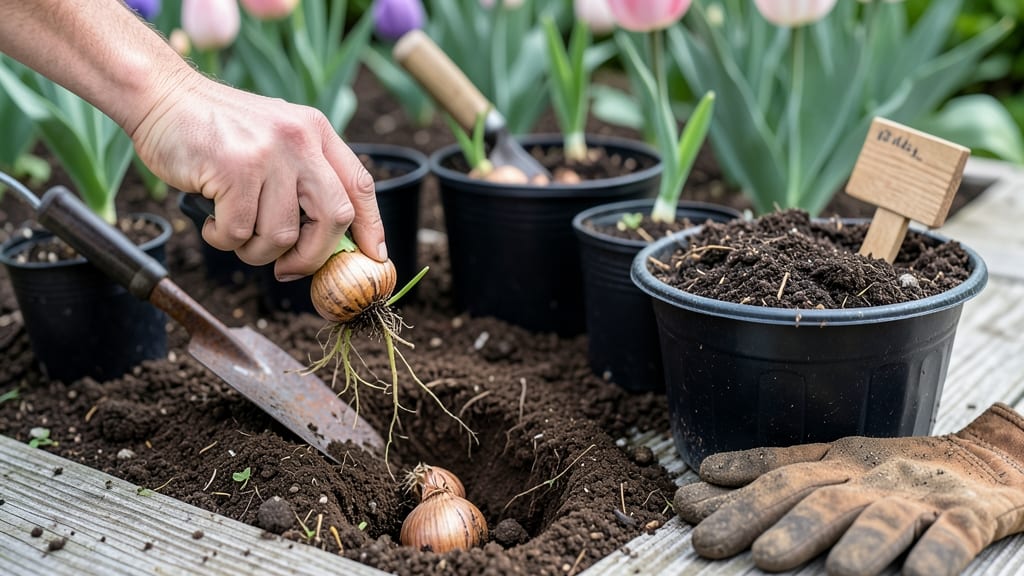
Planting potted tulips 🌷 in the ground at the wrong time can turn your spring dreams into a sad, wilted mess—literally. The key isn't just checking the calendar but understanding whether your bulbs have endured enough cold to thrive, and when your soil is finally frost-free.
Most gardeners assume fall is the only option, but the truth is more nuanced. If you're in USDA Zone 6a (like many gardeners), timing matters even more—plant too early, and you risk bulb rot; too late, and you might miss the chill period they need to bloom.
Let me show you the exact window where soil temps and frost align for success.
You'll discover how to test if your potted tulips are truly chill-hardened before transplanting, plus regional adjustments for zones 3-9. Whether you're dealing with an early spring warm-up or stubborn late frosts, this checklist ensures your tulips go from pot to perfect bloom without a hitch.
Ready to avoid the most common mistakes? I'll walk you through soil prep, watering tips, and even how to force-hardiness if your tulips arrive too early. Let's get those bulbs in the ground the right way—so you're not left staring at bare soil come spring.
The exact soil temperature and frost-free timeline for transplanting potted tulips
Transplanting potted tulips 🌷 into garden beds depends on two critical factors: soil temperature and frost risk. Tulip bulbs need the ground to warm to a consistent 50°F (10°C) before planting—any earlier, and they’ll rot.
Meanwhile, the last frost date in your area determines the 6-8 week window before hard freezes return.
Most gardeners in USDA Zones 3-9 aim for early spring planting, but the exact timing shifts based on your microclimate.
For example, Zone 6a (like much of the Midwest) typically hits 50°F soil temps in late March to early April, while Zone 9 (Southern California) may wait until February. Let’s break down the science behind these numbers.
Here’s the golden rule: Wait until nighttime lows stay above 40°F (4°C) for at least a week. This ensures your newly planted bulbs won’t suffer frost damage before they establish roots. In colder zones (3-5), you might need to plant as late as May to avoid late-spring frosts.
Pro tip: Use a soil thermometer to check temps at 4-inch depth (where bulbs will sit). If it’s below 50°F, hold off—even if the air feels warm. Tulips are not frost-tolerant once planted; they need time to root before facing cold snaps.
Another common mistake? Planting too early in warm zones (7-9). In these areas, tulips can sprout too soon, only to be fried by summer heat.
The ideal window is 6-8 weeks before your last frost date, but adjust for local patterns—like sudden cold snaps in Zone 8’s inland valleys.
For container-grown tulips, timing matters even more. Potted bulbs often arrive pre-chilled from nurseries, but they still need 4-6 weeks of outdoor hardening before transplanting. Skip this step, and you risk bulb shock or poor blooming.
🌱 Key Planting Timeline for Potted Tulips
| Stage | Action | Soil Temp | Frost Risk |
|---|---|---|---|
| Hardening Off | Move pots outdoors (4-6 weeks before planting) | 40-50°F (4-10°C) | Low (night temps >32°F) |
| Planting Window | Transplant to ground (6-8 weeks before last frost) | 50°F+ (10°C+) | Zero (night temps >40°F) |
| Post-Planting Care | Water deeply, mulch, and avoid fertilizing | 45-60°F (7-15°C) | Minimal (watch forecasts) |
| Bloom Time | Enjoy flowers in spring (April-May) | 55-70°F (13-21°C) | None (warm season) |
One more critical detail: avoid planting tulips in soggy soil. Waterlogged conditions lead to bulb rot, especially in clay-heavy gardens. Amend your soil with compost or sand to improve drainage if needed. In containers, ensure pots have drainage holes and use a well-draining potting mix.
If you’re in a warmer zone (8-9), consider a partial shade spot to prevent early sprouting. Tulips planted in full sun too soon may bolt (send up shoots) but fail to bloom because they’re not yet cold-hardened. This is a classic mistake in Southern California or Florida gardens.
Finally, remember that tulips planted in fall (their natural season) often perform better than spring transplants. If you missed the fall window, spring planting is still viable—just follow the 50°F soil rule and protect new plants with row covers if late frosts threaten.
Ready to test your tulips for chill-hardiness? In the next section, I’ll show you how to check if your potted bulbs are truly ready for the ground—no guesswork involved. 🌿
The exact soil temperature and frost-free timeline for transplanting potted tulips
Transplanting potted tulips into garden soil requires two critical factors: soil temperatures above 50°F (10°C) and zero frost risk. These conditions signal your tulips have endured enough chill to bloom vigorously next spring.
Most gardeners assume fall is the only option, but the truth is more flexible—especially if you're working with container-grown bulbs that may need extra care.
In USDA Zone 6a, where many gardeners live, the ideal window opens when daytime temps consistently stay above 50°F (10°C) and nighttime lows don’t dip below 40°F (4°C). This typically falls between mid-April and early May, but your exact timing depends on microclimates and local frost patterns.
For example, a south-facing garden warms up faster than a shaded area.
If you're in warmer zones (7-9), you can push planting into early spring, but avoid transplanting until soil temps stabilize. In colder zones (3-5), wait until late spring to avoid late frosts that can damage tender foliage.
The key is balancing chill requirements with frost-free soil—plant too early, and you risk bulb rot; too late, and your tulips may not bloom as robustly.
🌱 PRO TIP: Use a soil thermometer to check temps at a 4-inch depth (where bulbs will sit). This gives you the most accurate reading for root-zone conditions.
| Condition | Specification | Zone Adjustments |
|---|---|---|
| Soil Temperature | 50°F (10°C) at 4" depth | Zones 3-5: Wait until late May; Zones 7-9: Early March |
| Frost Risk | 0% chance of frost | Check local frost-free date; add 2-3 weeks buffer |
| Bulb Chill Hours | 12-16 weeks below 40°F (4°C) | Zones 3-4: Naturally met; Zones 6-9: May need forced chilling |
| Planting Depth | 6-8 inches deep | Loose soil? Plant 1 inch deeper; compacted soil? Shallow by 1 inch |
One common mistake is assuming that because tulips are hardy to Zone 3, they can handle early planting. However, container-grown bulbs often lack the natural chill period they need to bloom.
If you’re transplanting in spring (March-April), consider pre-chilling potted tulips for 8-12 weeks in a cold frame or unheated garage to mimic winter conditions.
After transplanting, focus on watering deeply (1 inch per week) and mulching with 2-3 inches of straw to retain moisture and regulate soil temps. Avoid fertilizing until shoots emerge—this prevents bulb rot and encourages strong root growth.
With the right timing, your tulips will reward you with vibrant blooms in 4-6 weeks.
Remember, the goal is to give your tulips the perfect balance of chill and warmth. Whether you're in a cold northern climate or a mild southern one, these guidelines ensure your potted tulips transition smoothly into the ground—ready to thrive and bloom like champions next spring. 🌷