
Planting
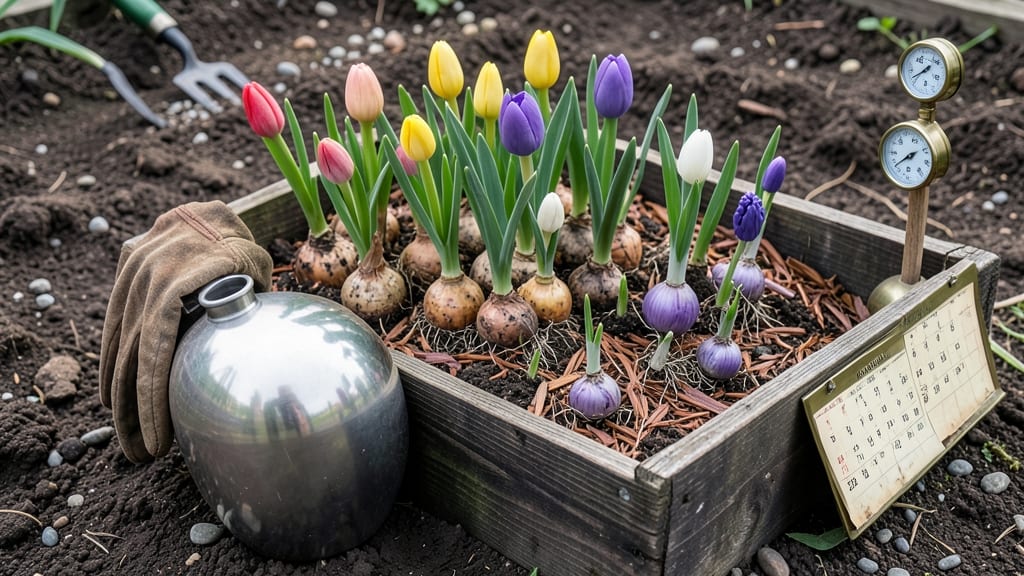
Timing your spring bulb planting wrong can mean the difference between a garden bursting with color and a season of disappointment. The key to vibrant blooms lies in knowing the exact weeks before your last frost to plant Spring-Planted Bulbs (General)—like daffodils and tulips—that thrive in Zone 6a and beyond.
Most gardeners assume "spring" means anytime after March, but that’s a common mistake. Planting too early when soil temperatures are still chilly can stunt root growth, while waiting too long risks missing the ideal 4-6 week window before your region’s last frost date.
For Zone 6a, that typically lands in April, but microclimates and bulb types can shift this timeline.
In this guide, I’ll break down the precise planting schedule by zone, help you adjust for early vs. late bloomers, and reveal 5 signs you’re planting at the wrong time.
Whether you’re a first-time gardener or a seasoned pro, these insights will ensure your 🌱 Spring-Planted Bulbs (General) get the perfect start for a showstopping display.
Ready to transform your garden? Let’s dive into the exact weeks, bulb-by-bulb, so you can plant with confidence—and watch your yard come alive with color.
Exact weeks before last frost to plant spring bulbs by USDA Zone
Spring bulbs like daffodils and tulips need precise timing to thrive. Planting too early risks frost damage, while waiting too long delays blooms. The key is knowing your USDA Zone and calculating 6-8 weeks before your last frost—this ensures roots establish before spring warmth triggers growth.
For example, in Zone 3 (cold climates like Minnesota), aim for early April planting. In Zone 10 (mild areas like Southern California), late winter (February) works. Always check your local frost dates—they vary yearly due to climate shifts.
⚠️ NON-NEGOTIABLE: Soil must be at least 50°F (10°C) and workable. Cold, soggy soil stunts root growth. Use a soil thermometer to confirm.
| USDA Zone | Last Frost Date (Avg.) | Planting Window | Bulb Examples | Soil Temp Goal |
|---|---|---|---|---|
| 3-4 (Cold) | Mid-April | Early April (6 weeks before frost) | Daffodils, Hyacinths | 50°F (10°C) |
| 5-6 (Temperate) | Late April | Mid-March to early April | Tulips, Alliums | 55°F (13°C) |
| 7-8 (Warm) | Early March | Late February to March | Ranunculus, Fritillaries | 60°F (16°C) |
| 9-10 (Mild) | Mid-January | January to February | Crocuses, Snowdrops | 65°F (18°C) |
🌱 Pro Tip: Use a frost calculator (like the Old Farmer’s Almanac) for your exact location.
Some bulbs, like daffodils, handle cooler soils better than tulips. If your zone’s frost date is unpredictable, err on the earlier side—bulbs can wait in the ground until conditions improve, but they won’t tolerate frost after sprouting.
For container gardening, plant bulbs 2-3 weeks earlier than in-ground. Pots warm up faster and dry out quicker, so monitor soil moisture closely. Use well-draining mixes with perlite to prevent rot.
After planting, mulch with 2-3 inches of straw to insulate roots. This is critical in Zone 3-5, where temperature swings can damage emerging shoots. Remove mulch in early spring to prevent moisture buildup.
If you miss the ideal window, don’t panic. Late-planted bulbs (up to 2 weeks past the deadline) may still bloom, though they’ll be smaller. Focus on soil prep—amend with compost and ensure good drainage to compensate for delayed planting.
Remember: Bulb size matters. Larger bulbs (like 12/14 oz daffodils) establish faster than small ones. Plant them 6 inches deep for better frost resistance, while tiny bulbs (like grape hyacinths) only need 3 inches of coverage.
🌿 Key Takeaway: Your last frost date + 6-8 weeks = perfect planting time. Adjust for bulb type, soil temp, and container vs. in-ground planting for the best results.
How to adjust planting time for early vs late-blooming spring bulbs
Not all spring bulbs follow the same planting rules. Some, like snowdrops or crocuses, actually need fall planting to bloom early in spring. Others, such as ranunculus or dahlia tubers, thrive when planted in early spring after frost danger passes.
Understanding these differences ensures your garden bursts with color at the right time.
Early bloomers like tulips and daffodils often need 6-8 weeks of cool soil before sprouting, while late bloomers like alliums or hyacinths can wait until soil warms slightly.
Your USDA zone and local frost dates are key—plant too early, and bulbs may rot in cold soil; too late, and you risk missing the bloom window entirely.
Microclimates also play a role. A south-facing slope warms faster than a shady corner, allowing earlier planting. If your yard has uneven heating, test soil temperature with a thermometer—aim for 45-55°F for most bulbs. This small step prevents wasted effort and ensures healthy roots.
- Planting Time: 6-8 weeks before last frost (fall or early spring)
- Examples: Tulips, Daffodils, Crocuses, Snowdrops
- Soil Temp: 45-55°F for root growth
- Bloom Window: Early to mid-spring
- Key Tip: Mulch after planting to protect from late frosts
For late-blooming bulbs like alliums or hyacinths, wait until soil reaches 50-60°F—typically 2-4 weeks after your last frost. These bulbs tolerate warmer soil and even benefit from a head start in containers indoors before transplanting.
If you’re in Zone 8-10, some bulbs like rain lilies can be planted as late as early spring without issues.
Don’t overlook container gardening for tricky timing. Plant bulbs in pots 4-6 weeks before your outdoor window opens, then move them to the garden after frost. This method works wonders for ranunculus or dahlias, which need consistent warmth to sprout. Just ensure pots have drainage holes to prevent rot.
Pro tip: Mark your calendar with your last frost date and work backward. For most bulbs, this means planting 4-6 weeks before the average date. Use a garden journal to track success—note which bulbs thrive with early vs. late planting in your specific microclimate.
Over time, you’ll fine-tune your schedule for a showstopping spring display every year.