
Plants
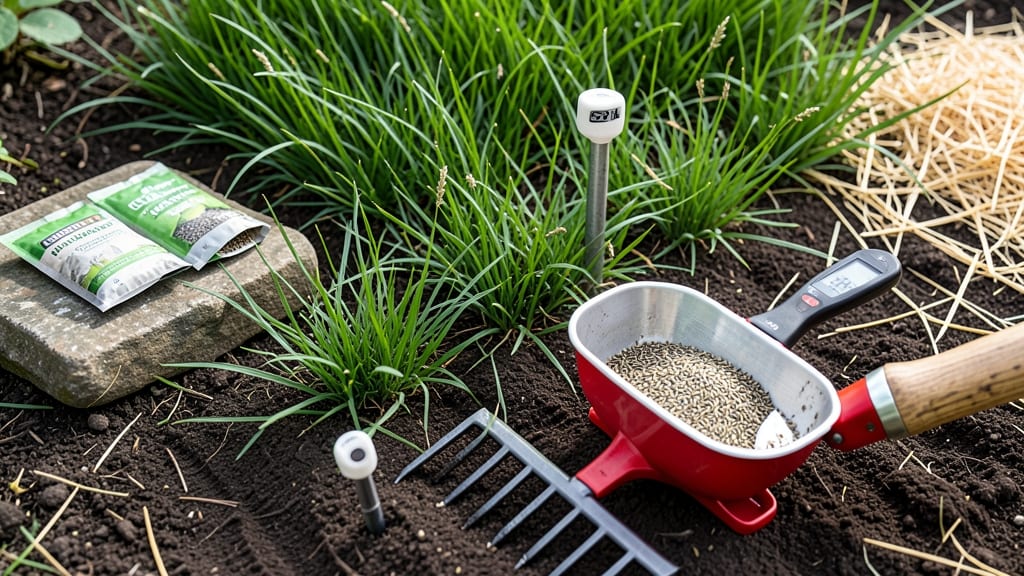
Planting grass seed in Minnesota at the wrong time can mean wasted money and months of waiting for that lush green lawn. The key isn't just avoiding frost—it's understanding when your soil is warm enough for seeds to germinate properly.
With USDA zones 3-5 and unpredictable spring weather, timing matters more than most gardeners realize.
Most Minnesotans assume spring planting is the only option, but fall actually offers cooler soil temperatures and fewer weeds. I'll show you the exact weekly deadlines for planting across northern, central, and southern regions—plus how to prepare your soil for success.
Whether you're seeding in March or September, these science-backed tips will help you avoid common mistakes.
You might think all grass seed is created equal, but Minnesota's climate demands specific varieties that thrive in zones 3-5. We'll cover which types handle frost best and how to choose between cool-season grasses like Kentucky bluegrass and hardy options for your microclimate.
Ready to transform your yard? Let's get started.
Don't let another season slip by with bare spots—this is your chance to learn the perfect planting window for your location. With proper timing and preparation, you could have a vibrant lawn by summer's end. Let me walk you through everything you need to know.
Minnesota grass seed planting deadlines by week: frost-free & soil temperature rules
Minnesota’s cool-season climate means your grass seed timing must align with soil temperatures and frost-free windows. Plant too early, and frost heave will bury your seeds. Too late, and weeds will outcompete your new lawn.
The sweet spot? Soil temps between 50°F and 65°F—ideal for cool-season grasses like Kentucky bluegrass and tall fescue.
Northern Minnesota (USDA Zones 3-4) has shorter frost-free seasons, while southern regions (Zone 5) enjoy 2-4 extra weeks of planting flexibility. Always check your local last frost date—typically mid-May in the north and early May in the south—and plant 4-6 weeks before for best results.
Here’s your week-by-week planting guide, broken down by Minnesota’s three key regions. Use this as your roadmap to avoid common mistakes like overseeding in summer heat or planting too late in fall.
| Region | Best Planting Window | Soil Temp (°F) | Last Frost Date | Key Tip |
|---|---|---|---|---|
| Northern MN (Zones 3-4) | Late April–Early June OR Mid-August–Mid-Sept |
50–60°F | May 15–20 | Use winter ryegrass cover crop to protect soil. |
| Central MN (Zone 4) | Early April–Late May OR Early Sept–Early Oct |
55–65°F | May 1–10 | Test soil pH—aim for 6.0–7.0 for best germination. |
| Southern MN (Zone 5) | Mid-March–Early June OR Late Aug–Late Sept |
55–65°F | April 20–May 5 | Fall planting gives 60% stronger roots before winter. |
For spring planting, start as soon as the ground is workable—typically late March in the south and mid-April in the north. Use a soil thermometer to confirm temps are above 40°F at 4-inch depth.
If you’re overseeding an existing lawn, wait until late spring (after May 15) to avoid smothering your current grass.
Fall planting in Minnesota is often more successful than spring because cooler temps reduce weed competition and 6-8 weeks of growth happen before winter. Aim to plant 6 weeks before your first frost—usually mid-September in the north and early October in the south.
This gives seeds time to establish roots before freezing.
If you miss these windows, late summer overseeding (August) is your next best option. Choose drought-tolerant varieties like fine fescue and water deeply 2x daily until germination occurs. Just avoid planting in July or August heat waves, as soil temps can exceed 80°F, killing seeds before they sprout.
Pro tip: Use a straw mulch (not wood chips) to protect seeds from bird scatter and drying winds. Apply a thin layer (1/4 inch) after planting and keep it moist. This simple step can double your germination rate in Minnesota’s unpredictable spring.
Remember, soil prep is 50% of success. Before planting, till or aerate compacted areas, remove weeds, and level low spots. If your soil is clay-heavy (common in MN), mix in compost or sand to improve drainage. A little prep work now saves months of frustration later.
For real-time updates, check the Minnesota State University Extension frost date maps or use a local garden center’s planting calendar. They adjust yearly for climate shifts—because in Minnesota, last year’s perfect timing might not work this year.
Critical mistakes to avoid when planting grass seed in Minnesota’s unpredictable spring
Minnesota’s spring weather can be as unpredictable as a snowstorm in July. Planting grass seed too early risks frost heave, where young seedlings pop out of the ground like jack-in-the-boxes.
I’ve seen it happen—one week of warm sun followed by a sudden freeze can set you back months. The key is patience and preparation.
Many gardeners skip soil testing before planting, assuming their yard is ready. But Minnesota’s clay-heavy soils often need lime or sulfur to adjust pH. A quick test (available at local co-ops) can save you from struggling with weak germination.
Aim for a pH of 6.0-7.0—most grass seeds thrive in this neutral range.
Another common mistake is planting without tilling or aerating compacted soil. If your lawn has heavy foot traffic or clay layers, seeds won’t make contact with moist soil. Rent a core aerator ($50/day) to create ½-inch-deep holes—this lets roots establish faster and reduces runoff during watering.
Avoid These Spring Planting Disasters
- Planting before soil reaches 50°F – Seeds rot in cold, wet soil
- Skipping mulch – Leaves seeds exposed to drying winds
- Using too much seed – Overcrowding leads to weak growth
- Watering at night – Encourages fungal diseases
Many Minnesotans also overlook weed control before seeding. Apply a pre-emergent herbicide 2 weeks before planting to block crabgrass and chickweed. Organic options like corn gluten meal work too—just spread 20 lbs per 1,000 sq ft in early spring.
Finally, don’t assume all grass seed is equal. Cheap blends often contain fillers that won’t survive Minnesota’s winters. Invest in certified cool-season grasses like Kentucky bluegrass (for durability) or fine fescue (for shade tolerance). Check the label for "USDA Zone 3-5" compatibility.
With these mistakes avoided, your grass seed has a 90%+ chance of thriving. The secret? Plan ahead, test your soil, and watch the weather like a hawk—especially in those April showers-turned-snow moments. Your future lawn will thank you.