
Plants
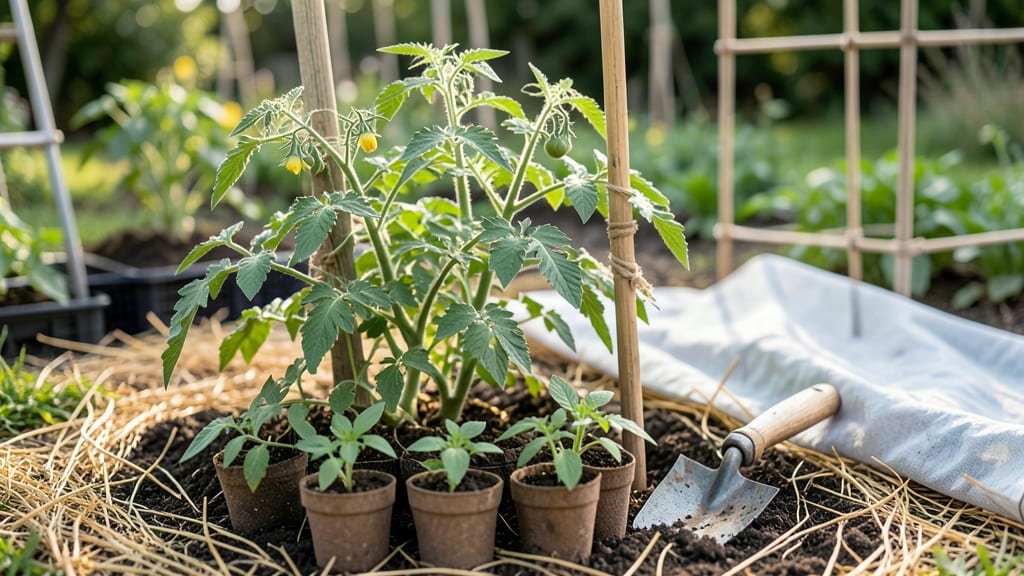
If you're asking "when can you plant tomatoes in Massachusetts", timing is the difference between a bountiful harvest and a sad, frost-nipped garden. The 5b-6b zone means your window is tight—get it wrong, and you'll miss out on those juicy 🍅 slices all summer.
Most Massachusetts gardeners start seeds indoors 6-8 weeks before the last frost, usually by early March, to give them a head start. But even with early starts, you can't rush nature—wait until soil warms to at least 60°F before transplanting outdoors, typically between April 15 and May 31.
Don't let the short season fool you—with the right varieties and a few smart tricks, you can stretch your harvest well into October. I'll show you how to pick heat-tolerant tomatoes that thrive in our unpredictable summers and extend your growing season like a pro.
Whether you're a first-time gardener or a seasoned green thumb, these tips will help you avoid common mistakes and get the most out of your tomato plants. Let's dive into the exact planting windows and varieties that work best in Massachusetts.
Massachusetts last-frost dates by Zone: exact planting windows for tomatoes
Massachusetts spans USDA zones 5b-6b, meaning last-frost dates vary dramatically across the state. In western areas like Pittsfield, frost typically lingers until May 10-15, while coastal regions like Providence often see their final freeze by April 20.
These differences create a 4-week window for planting tomatoes—critical for avoiding frost damage while maximizing your harvest.
For most gardeners, the ideal transplanting window falls between May 15 and June 15, after soil temperatures consistently reach 60°F. However, direct sowing (planting seeds outdoors) should wait until June 1 in colder inland zones to prevent seed rot.
Use these timelines to align your planting with frost-free periods and tomato maturity (60-90 days to harvest).
🌱 Pro Tip: Check the Massachusetts Climate Normal Tool for your exact location—it provides hyper-local frost data. For example, Boston averages a last frost of April 28, while Springfield often waits until May 10.
| Zone | Avg. Last Frost | Transplant Window | Direct Sow Window | Frost-Free Days |
|---|---|---|---|---|
| 5b (Western MA) | May 10-15 | May 20 - June 5 | June 10-20 | 150-160 |
| 6a (Central MA) | April 25 - May 5 | May 10 - May 25 | May 25 - June 10 | 160-170 |
| 6b (Coastal MA) | April 15-20 | April 25 - May 15 | May 15 - May 30 | 170-180 |
🌡️ Soil Temp Check: Use a soil thermometer—tomatoes need 60°F+ soil to thrive.
If you’re starting seeds indoors, begin 6-8 weeks before your last frost date. For Zone 5b, that means March 15-April 1, while Zone 6b gardeners can start as early as March 1.
Use grow lights to provide 14-16 hours of light daily—tomato seedlings stretch toward weak sunlight, becoming leggy and weak.
For late transplants (June 15-July 15), choose fast-maturing varieties like 'Early Girl' (52 days) or 'Stupice' (58 days). These can still produce fruit before first frost (typically October 15 in MA). Just be prepared for smaller yields—heat stress in August often stunts growth.
Microclimates matter! South-facing slopes warm up faster, allowing you to plant 2-3 weeks earlier than flat areas. Conversely, low-lying or shady spots may need row covers to protect young plants. Always monitor nighttime temperatures50°F, even if days are warm.
🌱 Extension Tip: Sign up for free frost alerts from the Massachusetts Horticultural Society or use apps like PlantNet to track local conditions in real time.
To calculate your personal planting window, subtract 60 days (minimum maturity) from your first frost date. For example, if frost hits October 15, you have until August 15 to transplant. But aim for July 1 to ensure full-size fruit—small tomatoes often lack flavor and texture.
Finally, succession planting works well in MA’s short season. After harvesting your first batch in July, replant with quick-maturing varieties for a late-summer harvest. Just avoid planting after August 1—new seedlings won’t have enough time to fruit before frost.
🌿 Key Takeaway: Zone 5b = Plant by June 5; Zone 6b = Plant by May 15. Always verify
Best heat-tolerant tomato varieties for Massachusetts summers
Massachusetts summers can be hot and humid—perfect conditions for tomato diseases like blight, but also ideal for the right heat-tolerant varieties. I’ve grown dozens of varieties here, and these top 5 performers consistently deliver sweet, disease-resistant fruit even in our unpredictable short growing seasons. 🌞
When selecting varieties, prioritize disease resistance (look for VFN or VFNT labels) and determinate growth habits for shorter seasons. Indeterminate types need more time to mature, so they’re riskier unless you’re extending your season with row covers or a greenhouse. Here’s my shortlist of winners:
Heatmaster is my go-to for indeterminate varieties—it thrives in high heat and produces large red fruit all season long. I’ve seen it yield 20+ pounds per plant in a single summer, even when other varieties wilted. For determinate types, Mountain Merit is unbeatable; it’s blight-resistant and perfect for container growing or short-season gardens. 🌱
If you’re dealing with humid summers, prioritize Solar Fire—it’s bred to handle heat stress and disease pressure better than most. I’ve had success growing it in row covers to extend its season into early fall.
For cherry tomatoes, Sweet Million (not listed above) is a close second, though it’s slightly less heat-tolerant. Always check seed packets for days to maturity—stick to 60-70 day varieties if your season is short.
Pro tip: Pair heat-tolerant varieties with mulch (straw or black plastic) to keep roots cool. I also prune suckers aggressively in July to redirect energy to fruit production rather than foliage.
And if you’re in Zone 5b, consider starting seeds indoors in late February to give these varieties the head start they need. 💡