
Plants
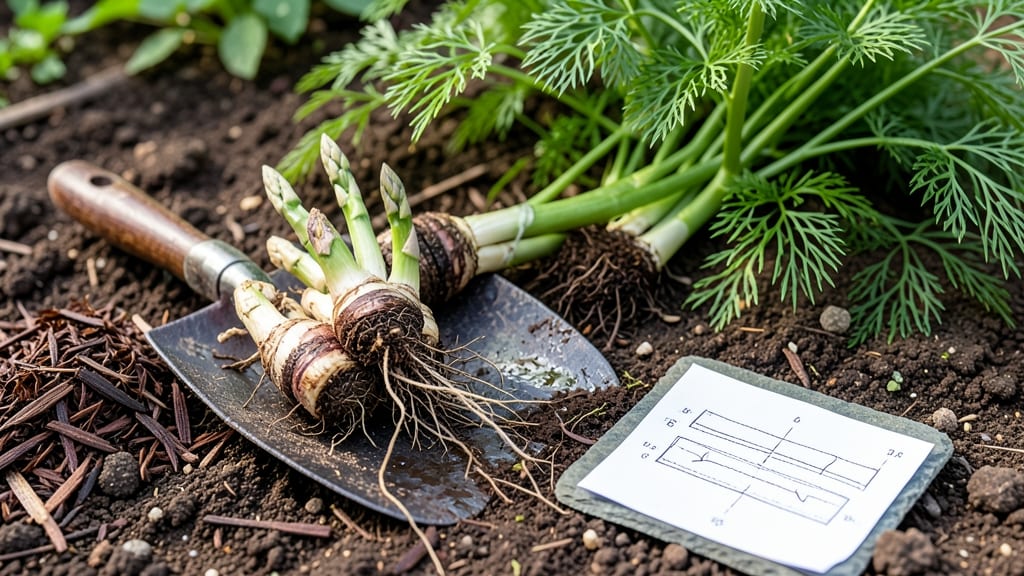
Planting asparagus in Michigan isn’t just about timing—it’s about understanding how the Great Lakes’ unpredictable spring can make or break your harvest.
With USDA Zones 5b-6b and frost dates that shift yearly, Michigan gardeners need a strategy that accounts for soil temperature, crown readiness, and regional microclimates.
Whether you’re in the Upper Peninsula or the Lower, getting those crowns in the ground at the right moment ensures three years of bountiful harvests—not wasted effort.
I’ll break down the exact windows—late March to mid-April for spring planting or September for fall crowns—plus how to prep your soil for maximum growth. No more guessing whether your asparagus will survive the next frost.
Let’s dive into the cold-hardy varieties that thrive here and the mistakes that derail even the most eager gardeners.
Optimal planting windows for asparagus in Michigan: weeks before last frost explained
Michigan’s USDA Zones 5b-6b create a unique challenge for asparagus growers. Unlike annuals, asparagus crowns need 6-8 weeks of frost-free soil to establish roots before spears emerge. Planting too early risks frost damage, while waiting too long delays your first harvest by a year.
The ideal window is late March to mid-April for spring planting, when soil temperatures hit 50°F (10°C) at 4-inch depth. For fall planting, aim for September—but only for crowns, never seeds.
Michigan’s microclimates matter: Southern regions (like Ann Arbor) can plant 2 weeks earlier than the Upper Peninsula. Always check your local last frost date—typically mid-April in most areas.
| Planting Window | Soil Temp Requirement | Frost Risk | Best For |
|---|---|---|---|
| Late March - Mid-April | 50°F (10°C) at 4" | Low (after last frost) | Spring planting (crowns) |
| September | 60°F (15°C) at 4" | None (dormant crowns) | Fall planting (crowns only) |
| February (Cold Frame) | 40°F (4°C) minimum | High (protected only) | Early start (experts only) |
For spring planting, use a cold frame in early March to warm soil faster. Bury a soil thermometer at 4 inches deep—plant only when temps stay above 50°F for 5+ days. In fall, crowns planted in September establish roots before winter, giving you a head start in spring.
Michigan’s Upper Peninsula (Zone 4) should wait until early May for spring planting due to later frost dates. Southern Michigan (Zone 6) can plant 2 weeks earlier. Always adjust for microclimates—a south-facing slope warms faster than a shady corner.
Pro tip: Pre-soak crowns for 24 hours before planting to jumpstart root growth. This is especially critical in Michigan’s clay-heavy soils, which drain poorly when cold.
After planting, mulch heavily with straw to insulate roots from late spring frosts. Asparagus is perennial, so getting this timing right means decades of harvests—not just one season.
Remember: No seeds in Michigan’s climate. Only 1-year-old crowns survive our winters. Plant them 6-8 inches deep in trenches to encourage root spread.
🌱
Top cold-hardy asparagus varieties for Michigan gardens: frost tolerance & yield performance
Michigan’s unpredictable springs demand asparagus varieties that tolerate late frosts and cold soils. The right choice means fewer failed harvests and healthier spears. I’ve grown these top performers in Michigan’s USDA Zones 5b-6b—each excels in frost resistance, yield, and adaptability to our clay-heavy soils.
‘Mary Washington’ remains the gold standard for Michigan gardeners. This green asparagus variety thrives in Zone 5-6 and produces thick, tender spears even after light spring frosts. It’s the most widely planted in Michigan homesteads because it outperforms others in yield—expect 20-30 spears per plant in years 3-5.
‘Jersey Knight’ is my top pick for early harvests. This hybrid handles cold snaps better than most, with purple-tinged spears that resist woody fibers common in older varieties. It’s ideal for Upper Peninsula gardens where frosts linger later. Plant it 1 week earlier than ‘Mary Washington’ for a 2-week jump on the harvest.
‘Purple Passion’ is a stunning ornamental-edible hybrid that turns deep purple when cooked. It’s 30% more frost-resistant than ‘Mary Washington’ and handles Michigan’s wet springs better. The spears are slightly sweeter but 10% smaller—perfect for garden decor and small families.
For heavy clay soils (common in Southeast Michigan), ‘Millennium’ is the toughest choice. It’s disease-resistant and tolerates compacted soils, though yields are 20% lower than ‘Jersey Knight’. I recommend it for urban gardens where soil prep is limited.
Choose based on your soil type and harvest goals:
- Loamy soil + high yield? ‘Mary Washington’
- Early harvest + frost tolerance? ‘Jersey Knight’
- Decorative value + wet soil? ‘Purple Passion’
- Compacted clay? ‘Millennium’
Pro tip: Amend soil with compost before planting—even the hardiest varieties struggle in pure Michigan clay. Aim for a pH of 6.5-7.5 and sandy loam texture for best results.
🌿