
Plants
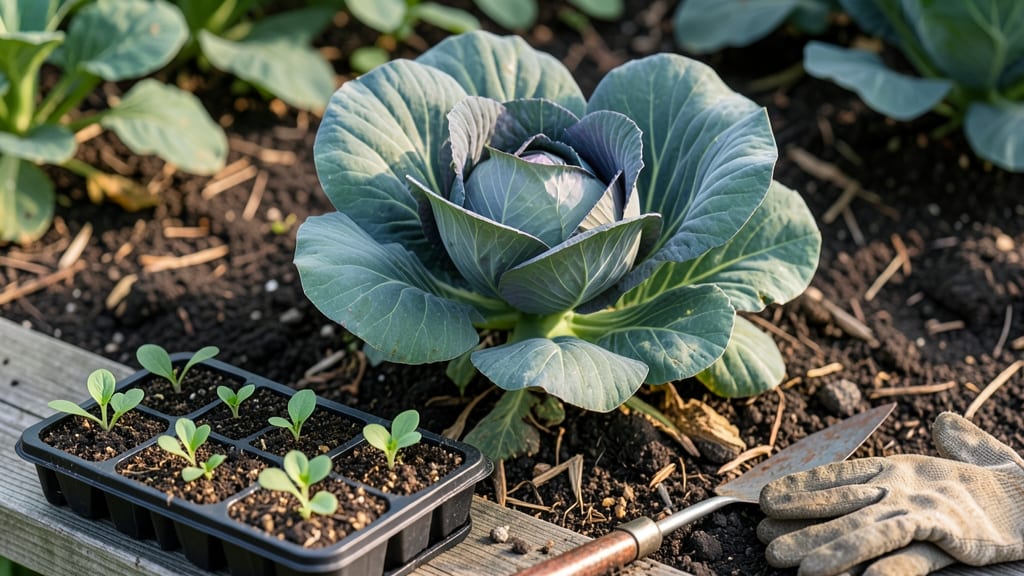
Planting cabbage in Alabama isn’t just about tossing seeds into the dirt—it’s about mastering the perfect timing to beat the heat, avoid pests, and harvest crisp, flavorful heads.
With Alabama’s USDA Zones 7-8 climate, you’ve got two prime windows: early spring and late summer, but get it wrong, and you’ll end up with bitter leaves or bolting plants before they mature.
I’ve grown cabbage here for years, and the key is understanding your local microclimate—whether you’re in Birmingham’s heat pockets or Mobile’s coastal breezes. The right variety and planting schedule can turn a risky gamble into a reliable harvest of 60-90-day maturing heads.
Let’s break down exactly when to start seeds indoors, when to transplant, and which heat-tolerant varieties thrive in Alabama’s summer.
Most gardeners focus only on spring planting, but Alabama’s long growing season lets you squeeze in a second crop—if you know the tricks. We’ll cover everything from soil prep to adjusting for first frost dates, so you can plant with confidence whether you’re a beginner or a seasoned grower.
Ready to grow cabbage that’s actually worth braising?
By the end of this guide, you’ll have a clear planting calendar tailored to your Alabama zone, plus pro tips to extend your harvest season. No more guesswork—just crisp cabbage from spring to fall.
Best cabbage planting times in Alabama by variety type
Alabama’s USDA Zones 7b-8a offer two prime windows for growing cabbage: early spring and late summer. Cool-season varieties like Golden Acre or Early Jersey Wakefield thrive when planted 4-6 weeks before your last frost date, typically mid-February to early March in most regions.
Heat-tolerant varieties such as Cavalo or Savoy King can handle Alabama’s summer heat when planted late July to early August for a fall harvest.
Your last frost date varies by region—Birmingham averages March 15, while Mobile’s is March 1. Use these dates to calculate your planting window: subtract 60-75 days (depending on variety) to determine your ideal start date.
For example, if your last frost is March 15, plant early varieties by January 1 and mid-season types by February 1.
Spring planting is riskier in Alabama due to unpredictable late frosts. To mitigate this, use frost cloth or plant heat-tolerant varieties like Cavalo, which can handle temperatures up to 85°F without bolting.
Fall planting avoids bolting but requires succession planting every 2-3 weeks from July to August for continuous harvests.
Here’s how Alabama’s microclimates affect timing: Coastal areas (e.g., Mobile) can plant 2 weeks earlier than inland zones (e.g., Huntsville) due to milder winters. The Black Belt region may need shade cloth for summer plantings to prevent heat stress.
| Variety Type | Planting Window | Days to Maturity |
|---|---|---|
| Early (e.g., Golden Acre) | Feb 1–Mar 1 (Spring) | 55–65 days |
| Mid-Season (e.g., Early Jersey Wakefield) | Mar 1–Apr 1 (Spring) | 60–70 days |
| Late (e.g., Savoy King) | Apr 1–May 1 (Spring) | 70–80 days |
| Heat-Tolerant (e.g., Cavalo) | Jul 15–Aug 15 (Fall) | 60–75 days |
For spring plantings, aim to harvest before Alabama’s summer heat peaks. Most varieties bolt (go to seed) when daytime temperatures exceed 80°F for prolonged periods.
Use drip irrigation to maintain even moisture, which reduces stress. In fall plantings, prioritize shade-tolerant varieties like Cavalo to extend your harvest window into October.
Alabama’s first frost date typically arrives between November 15 and December 15, depending on elevation. To maximize your harvest, plant succession crops every 2 weeks from July through August. This ensures a steady supply of firm, flavorful heads before cold weather sets in.
Soil temperature is critical for germination. Cabbage seeds need soil at least 45°F to sprout. In Alabama, this usually aligns with late February to early March for spring plantings. Use a soil thermometer to verify—cool, wet soils can delay germination by 1-2 weeks.
Pro tip: Direct-sow seeds for spring cabbage rather than starting indoors. Alabama’s mild winters allow seeds to germinate quickly in the ground, and seedlings establish stronger roots. For fall plantings, start seeds indoors 4-6 weeks before transplanting to give them a head start against summer’s heat.
If you’re in northern Alabama (Zone 7b), err on the side of earlier plantings to avoid late frosts. In southern Alabama (Zone 8a), you can extend spring plantings into early April with minimal risk. Always monitor local weather forecasts—unpredictable cold snaps can damage young plants.
Best cabbage planting times in Alabama by variety type
Alabama’s two distinct cabbage-growing seasons hinge on variety selection and precise timing. Spring plantings thrive in cool soil (60-70°F), while fall crops need heat-tolerant varieties to avoid bolting. Most gardeners miss the late summer window entirely—don’t let that be you!
For spring cabbage, start seeds indoors 8-10 weeks before your last frost date (typically mid-February to early March in North Alabama, or late February in South Alabama). Transplant seedlings outdoors when soil warms to 50°F—usually March 15-April 15 depending on your microclimate.
| Variety Type | Planting Window | Days to Maturity | Alabama Notes |
|---|---|---|---|
| Early Spring (Cool-Season) | Feb 15 - Mar 15 (seeds) Mar 15 - Apr 15 (transplant) |
60-70 days | Best for North AL (Huntsville, Birmingham). Use Golden Acre or Early Jersey Wakefield. |
| Late Summer/Fall (Heat-Tolerant) | Jul 15 - Aug 15 (seeds) Aug 15 - Sep 15 (transplant) |
70-90 days | Critical for South AL (Mobile, Montgomery). Try Cavalo or Sweetheart. |
| Succession Planting | Every 2 weeks (Mar-Jul) | 60-80 days | Stagger plantings for continuous harvest. Use short-day varieties like Red Express. |
Never plant cabbage seeds directly in hot Alabama soil—they’ll bolt faster than you can say "Southern heatwave." Instead, start all seeds indoors under grow lights, then harden off seedlings for 7-10 days before transplanting. This extra step saves your crop from 90°F+ soil temperatures that trigger premature flowering.
For fall harvests, focus on varieties like Cavalo or Savoy King, which handle Alabama’s humid summers better than standard types. Plant seeds July 15-August 15 for a November-December harvest before hard frosts hit (typically November 15-December 15 in most of the state).
Pro tip: Use shade cloth during peak summer to protect young transplants from fleabeetle damage—a common Alabama pest that can devastate seedlings in 95°F+ temperatures. A simple 30% shade cloth keeps plants thriving while filtering harsh sunlight.
Remember: Alabama’s first frost dates vary wildly—November 15 in North Alabama vs. December 15 in South Alabama. Time your last fall planting to mature before December 1 for maximum success. With this schedule, you’ll enjoy fresh cabbage from spring through winter—no grocery store needed!