
Plants
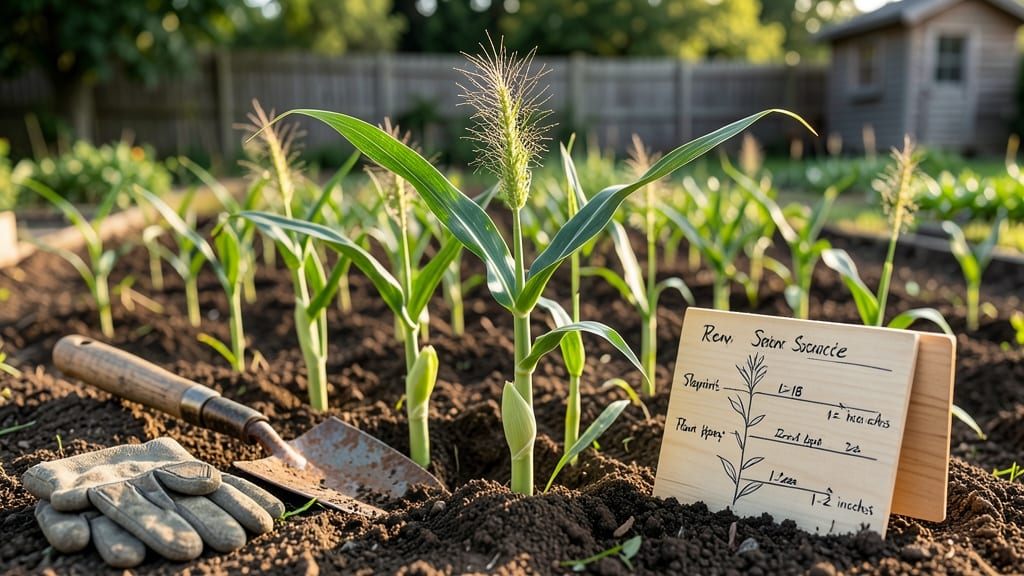
Planting corn in Indiana at the wrong time can turn your 🌽 dreams into a soggy mess—frost nibbling tender sprouts or heat stressing seeds before they even take root.
The key to success? Timing it right between Indiana’s unpredictable springs and the mid-April to early June window when soil finally warms to 50°F+.
Most Hoosier gardeners know the struggle: too early, and frost zaps your seedlings; too late, and your corn won’t mature before the first October chill.
In USDA Zone 6a, where last frosts can linger until April 15, patience pays off—waiting for that 60°F soil temp makes all the difference.
But here’s the real secret: adjusting for Indiana’s microclimates. Northern counties often need to wait until late May, while southern regions can start as early as mid-April.
I’ll break down exactly how to read your soil, track frost risks, and pick the perfect corn variety for your patch of Indiana.
Ready to grow corn that stands taller than a basketball hoop? Let’s dive into the soil science and frost-free strategies that’ll turn your garden into a cornfield goldmine—without the guesswork.
Indiana corn planting dates by soil temperature and frost risks
Indiana’s USDA Zone 6a climate means corn planting timing hinges on two critical factors: soil temperature and last frost dates. For Hoosier growers, the ideal window opens when daytime temps consistently reach 60°F+ and nighttime lows stay above 50°F.
This typically lands between mid-April and early June, but regional microclimates create variations worth noting.
Northern Indiana (e.g., Fort Wayne, Gary) often waits until late April to early May due to colder springs, while southern Indiana (e.g., Louisville, Evansville) can start as early as mid-April.
The average last frost date across the state is April 15, but don’t rely on averages—use a frost calendar or local extension office data for precision.
Here’s the critical rule: Never plant corn until soil temperatures stabilize at 50°F+ for at least 10 days. Cold soil slows germination, leading to uneven sprouts or rot. Test soil with a soil thermometer—corn seeds need warmth to break dormancy, and Indiana’s unpredictable springs demand patience.
For early planting (before May 1), choose fast-maturing varieties (60–75 days to harvest) to avoid fall frost risks. Southern Indiana’s longer growing season (up to 165 frost-free days) allows for later plantings, but northern areas must prioritize early starts to ensure maturity before October’s first frost.
Pro tip: Use black plastic mulch to warm soil faster if you’re eager to plant early. This technique can shave 1–2 weeks off your planting timeline by raising soil temps by 5–10°F. Just
🌽 Indiana Corn Planting Timeline Comparison
| Region | Ideal Planting Window | Soil Temp Requirement | Last Frost Risk | Harvest Window |
|---|---|---|---|---|
| Northern Indiana (e.g., Fort Wayne) | Late April–Early May | 55°F+ (10+ days) | High (avg. April 22) | Late July–Early Sept |
| Central Indiana (e.g., Indianapolis) | Mid-April–Mid-May | 50°F+ (7–10 days) | Moderate (avg. April 15) | Early July–Late Sept |
| Southern Indiana (e.g., Louisville) | Mid-April–Early June | 50°F+ (5–7 days) | Low (avg. April 5) | Late June–October |
*Sources: Purdue Extension, Indiana State Climate Office
If you’re planting in early April (a risk in southern Indiana), use row covers or cold frames to protect seedlings from unexpected frosts. These barriers can raise soil temps by 3–5°F and shield young plants from 28°F+ temps.
Just remove covers once plants reach 6 inches tall to avoid overheating.
For late plantings (after May 15), opt for short-season varieties like 'Early Sunglow' (70 days) or 'Bodacious' (75 days). These can mature before Indiana’s first frost in October, but yields may be smaller. Balance risk with reward—planting after June 1 rarely produces sweet corn worth harvesting.
Track your local growing degree days (GDD) using Purdue’s Corn GDD Calculator. Corn needs 2,000–2,500 GDDs to mature, and Indiana’s variable climate means this number fluctuates yearly. Start counting GDDs from your planting date to predict harvest timing accurately.
Remember: Indiana’s short growing season demands precision. Plant too early, and frost will kill seedlings; too late, and you’ll miss the harvest window. Use soil temperature as your guide—it’s the one constant in Indiana’s unpredictable spring.
Indiana corn planting dates by soil temperature and frost risks
Indiana’s USDA Zone 6a means your corn planting window hinges on two critical factors: soil temperature and last frost dates. Corn seeds need 50°F+ soil to sprout, but true growth kicks in at 60°F.
Most Indiana counties see last frosts around April 15, but northern regions like Gary or South Bend can wait until May 1.
Southern Indiana—think Evansville or Louisville—can start as early as mid-April if soil warms fast. Meanwhile, northern areas should hold off until late April to early May to avoid frost damage. My rule? Wait until your soil thermometer hits 60°F for 3 days straight—that’s your green light.
Here’s the golden window for Indiana corn planting:
Pro tip: Use a soil warming trick if your garden runs cold. Lay down black plastic mulch 2 weeks before planting to raise soil temps by 5-10°F. This shaves days off your waiting game and extends your planting window into early June for late starters.
For early varieties like 'Pioneer 39T28' (70-day maturity), you can push the envelope and plant by April 1 in southern Indiana—just be ready to cover seedlings with frost cloth if nights dip below 32°F. In northern areas, stick to May 1 to avoid frost entirely.
Remember: corn needs 90-120 frost-free days to mature. Indiana’s 165-day growing season gives you plenty of room, but don’t bank on it—late planting risks immature ears before October’s first frost. Plan for 60-75 days to harvest, depending on your variety.