
Plants
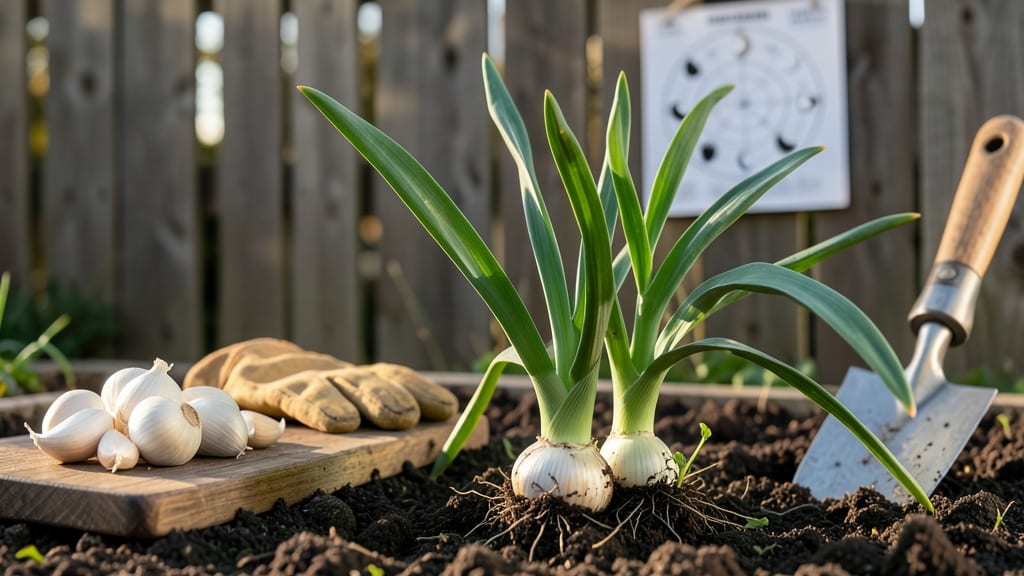
Timing your 🧄 garlic planting in California isn’t just about following a calendar—it’s about avoiding winter heaving and ensuring bulbs stay snug in the soil until harvest. With our mild but unpredictable winters, planting too early or too late can mean wasted effort or even failed crops.
The secret lies in understanding your specific USDA zone—whether you're in frost-free coastal areas (zone 10) or slightly cooler inland valleys (zone 9). For most of California, the ideal window opens in October and stretches through December, but coastal gardeners should plant later to avoid soggy soil.
I’ll walk you through the exact deadlines and soil prep tricks that keep your garlic firmly in place all winter long.
You’ll also discover which garlic varieties thrive best in California’s climate—whether you’re growing hardneck types for scapes or softneck for storage. Plus, I’ll share my go-to organic methods for preventing heaving, so you can focus on enjoying a bountiful harvest next summer instead of digging up lost bulbs.
Ready to plant with confidence? Let’s break down the zone-by-zone schedule and soil secrets that make all the difference between a thriving garlic patch and a winter disappointment.
California garlic planting deadlines by USDA zone (avoid winter heaving)
California’s diverse climate—from frost-free coastal areas to chilly inland valleys—means garlic planting deadlines vary dramatically. Planting too early in USDA Zone 10 (coastal) risks winter heaving, while Zone 9 (inland) needs earlier starts to establish roots before cold snaps.
Here’s your exact window to plant hardneck vs. softneck varieties for zero winter heaving.
Winter heaving occurs when bulbs push up through wet soil, leaving you with shriveled, unusable cloves. The key is planting 4-6 weeks before ground temps drop below 50°F—this gives roots time to anchor before winter rains.
In Zone 9 (inland valleys), aim for October 1-15, while Zone 10 (coastal) gardeners should wait until November 1-30.
Here’s your zone-by-zone planting timeline to prevent heaving, with hardneck vs. softneck notes:
| USDA Zone | Region Examples | Hardneck Deadline | Softneck Deadline | Key Tip |
|---|---|---|---|---|
| Zone 5 (High Elevation) | Mount Shasta, Truckee | September 15-October 15 | October 1-15 | Use cold-hardy varieties like 'German White'. |
| Zone 6 (Inland Foothills) | Sacramento, Fresno | October 1-31 | November 1-15 | Mulch heavily with straw to insulate. |
| Zone 7 (Central Valley) | Modesto, Bakersfield | October 15-November 15 | November 15-December 1 | Avoid planting after December 1—risk of heaving. |
| Zone 8 (Coastal North) | San Francisco, Santa Cruz | November 1-30 | December 1-15 | Soil stays warmer longer—wait until November. |
| Zone 9-10 (Coastal South) | Los Angeles, San Diego | December 1-15 | January 1-15 | Use softneck varieties like 'Artichoke' for milder winters. |
For Zone 9 and 10, softneck garlic (like 'Silverskin') thrives with later plantings, even into January. But hardneck varieties need cold exposure (40-50°F) to form bulbs—plant them by December 15 in coastal areas.
Pro tip: Check your local frost dates (even coastal areas can get light frosts in December!).
If you miss the fall window, January plantings are possible in Zone 10, but bulbs will be smaller and less flavorful. The trade-off? Avoiding winter heaving entirely.
For example, in San Diego (Zone 10), planting 'Artichoke' garlic in mid-December yields harvestable bulbs by July, while January plantings may not mature fully.
One common mistake? Planting too early in coastal zones. In Zone 10, soil stays warm into November—planting in October can cause cloves to sprout prematurely before winter slows growth. Wait until after the first 50°F nights (usually late October/early November) to plant.
For high-elevation areas (Zone 5-6), like Truckee or Mount Shasta, start planting by September 15 to give roots time to establish before first frosts in December. These
California garlic planting deadlines by USDA zone (avoid winter heaving)
California’s diverse climate means your garlic planting deadline depends entirely on your USDA zone. In coastal areas (zone 10), where mild winters and frequent rains can cause winter heaving, the window is tight—plant between November 15 and December 15.
Inland valleys (zone 9) have slightly cooler winters, so you can start earlier, from October 15 to November 30. Missing these deadlines risks bulbs pushing up through soggy soil or drying out before spring.
For most gardeners, November is the sweet spot—cool enough for roots to establish but warm enough to avoid frost damage. I’ve planted in late October before, but the soil stayed too warm, leading to early sprouting and weak bulbs.
The key is soil temperature: aim for 50-60°F at planting depth (4 inches down). Use a soil thermometer if you’re unsure—it’s a small investment for a big harvest.
Here’s your zone-by-zone breakdown to avoid winter heaving and ensure bulbs stay snug until harvest:
| USDA Zone | Region Examples | Planting Window | Soil Temp Goal | Key Risk |
|---|---|---|---|---|
| 9 (Inland Valleys) | Sacramento, Fresno, Bakersfield | Oct 15–Nov 30 | 50–60°F | Early sprouting if planted too early |
| 10 (Coastal) | San Francisco, Santa Barbara, Los Angeles | Nov 15–Dec 15 | 55–60°F | Winter heaving from rain |
| 9–10 (Desert) | Palm Springs, Riverside | Nov 1–Dec 10 | 50–55°F | Drought stress if planted too late |
If you’re in a transition zone (like the Bay Area’s edge), err on the side of planting later. I once planted in early October in zone 9, and the garlic bolted before winter—tiny bulbs, but still edible.
The lesson? Wait for cooler soil to avoid this. For hardneck varieties, which need cold vernalization, zone 9 gardeners can plant as late as January, but softneck types (better for storage) should go in by December.
Pro tip: Hardneck garlic (like ‘German White’) thrives in cooler zones (9) and produces scapes, while softneck varieties (like ‘Silverskin’) handle warmer zones (10) better. Check your zone’s first frost date—even if rare, a light frost can trigger bolting.
In my zone 9 garden, I’ve had success with ‘Artichoke’ hardneck planted in late November, yielding bold, flavorful bulbs by July.
Don’t stress if you miss the ideal window—January planting still works for hardneck types, though bulbs may be smaller. The real deadline is February, after which garlic struggles to establish roots before summer heat.
For coastal gardeners, mark your calendar for December 15—that’s your last chance to avoid soggy soil and heaving bulbs. With the right timing, you’ll harvest plump, papery-skinned garlic ready for braiding or roasting.