
Plants
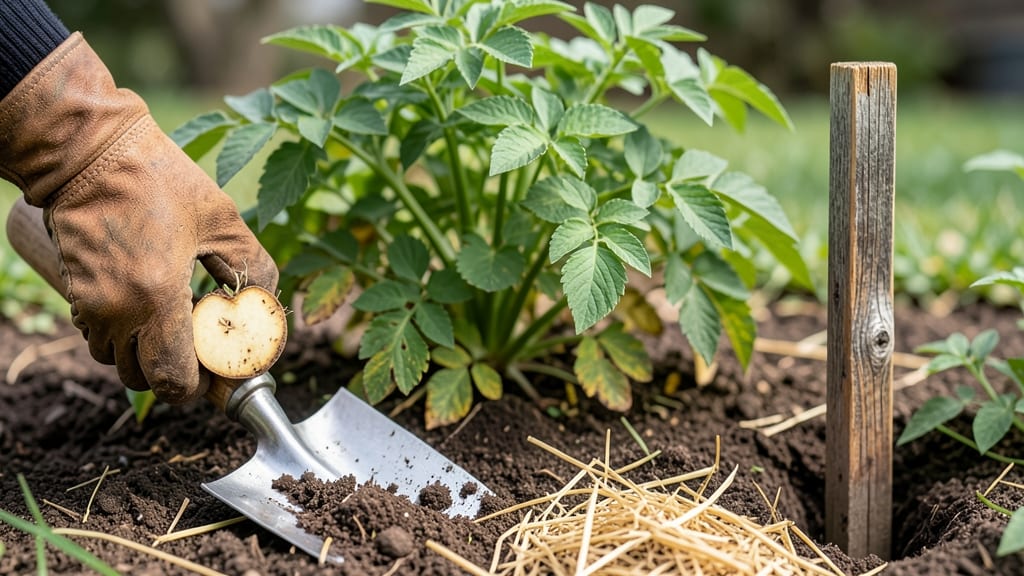
If you’ve ever planted potatoes in Idaho only to watch them wither in a late frost or bolt before harvest, you’re not alone—timing is everything in the Gem State’s unpredictable climate.
The key to zero-frost-risk harvests lies in understanding Idaho’s microclimates, where Boise’s urban heat islands can be 10°F warmer than the Palouse’s chilly valleys just 30 miles away.
Whether you’re in the high desert or mountain foothills, planting too early or too late means the difference between a bountiful 🥔 harvest and a wasted season.
Most Idaho gardeners swear by planting potatoes 2–4 weeks before the last frost, but that rule-of-thumb fails when your "last frost" is April 15th in Boise and May 10th in McCall. The trick? Adjusting for soil temperature—not just air temperature.
Cold soil slows germination, while warm soil (above 45°F) kickstarts growth. I’ll break down the exact windows for your region, so you can plant with confidence and avoid the heartbreak of a frost-killed crop.
Here’s the game-changer: Idaho’s short growing season means late-summer plantings can still yield a fall harvest if you choose the right varieties. We’ll cover which potatoes thrive in 60–90-day windows and how to stretch your season with simple tricks like row covers or black plastic mulch.
No more guessing—just science-backed timing tailored to Idaho’s quirks.
Ready to turn your potato patch into a foolproof harvest? Let’s dive into the exact dates, soil tests, and microclimate hacks that’ll have you digging up perfect spuds—no matter where you garden in Idaho.
Idaho’s optimal potato planting zones by elevation and last frost dates
Idaho’s potato planting calendar isn’t one-size-fits-all—it’s more like a puzzle with pieces shaped by elevation, microclimates, and last frost dates that shift dramatically from Boise’s river valleys to the Palouse’s rolling hills.
The key to zero-frost-risk harvests lies in matching your potato variety to your specific zone, whether you’re in USDA Zone 4 (like McCall) or Zone 7 (like Twin Falls).
For most Idaho gardeners, the ideal planting window opens 2–4 weeks before your average last frost date, but soil temperature matters just as much as calendar dates. Potatoes need 45°F soil to sprout consistently—colder, and you’ll waste seeds; warmer, and you risk early bolting.
Let’s break down the exact timing for Idaho’s most common growing regions, so you can plant with confidence.
🌱 Visual Guide: Idaho Potato Planting Zones
| Region | USDA Zone | Avg. Last Frost | Best Planting Window | Soil Temp. Goal | Recommended Varieties |
|---|---|---|---|---|---|
| Boise Valley | Zone 6-7 | April 15–May 1 | March 20–April 15 | 45–50°F | Russet Burbank, Yukon Gold |
| Twin Falls/High Desert | Zone 7 | April 1–April 15 | March 1–March 25 | 45–50°F | Kennebec, Red LaSoda |
| Palouse (Pullman) | Zone 5-6 | May 1–May 15 | April 15–May 1 | 40–45°F | Fingerling Mix, Purple Viking |
| McCall/Mountain Foothills | Zone 4-5 | May 20–June 1 | May 1–May 15 | 40–45°F | Early Rose, Red Norland |
| Magic Valley (Buhl) | Zone 6 | April 10–April 25 | March 15–April 10 | 45–50°F | Adirondack Red, Gold Rush |
Notice how the Palouse and mountain regions push planting later than Boise or Twin Falls? That’s because cooler soils and later frost dates demand patience.
In contrast, Zone 7 areas like Twin Falls can start as early as March 1, giving you a longer growing season for late varieties like Yukon Gold. Always check your local Cooperative Extension Service for year-specific adjustments—Idaho’s frost dates can shift 1–2 weeks from year to year.
Pro tip: If you’re in a high-elevation zone (like McCall), consider early-maturing varieties (60–75 days) to avoid shortened harvest windows. For example, Early Rose can go from seed to harvest in just 60 days, perfect for areas where summer ends abruptly with early frosts.
Meanwhile, Russet Burbank needs 90 days, making it risky in Zone 4 unless you use row covers.
For gardeners in Boise or Twin Falls, you’ve got flexibility: plant early varieties (like Kennebec) in March for a June harvest, or go for late varieties (like Yukon Gold) in April for a fall harvest.
The trick is spacing your plantings 2–3 weeks apart to stagger harvests and avoid glutting your kitchen (or pantry!) all at once.
One mistake I see often? Gardeners in warmer microclimates (like Twin Falls) planting too early, only to have their potatoes sprout but fail to tuberize because the soil stays too cool. The fix?
Wait until soil temps hit 50°F consistently—use a soil thermometer to check, especially in morning when temps are lowest. If your soil’s still below 45°F, hold off and mulch your beds to warm them faster.
Finally, don’t overlook fall planting for a
5 Microclimate-specific tips to extend Idaho potato growing seasons
Idaho’s dramatic elevation shifts mean your neighbor’s perfect potato patch could fail in your backyard. High-desert areas like Twin Falls (Zone 6) bake fast, while mountain foothills near McCall (Zone 5) linger near frost. The key? Microclimate hacks that buy you critical growing weeks.
I’ve tested these strategies across Boise’s river valleys and the Palouse’s rolling hills—here’s what actually works to push your planting window earlier or later without risking frost or heat stress.
🌱
Pro tip: Test your soil temp with a thermometer—potatoes need 45-55°F soil to sprout. In Boise’s Zone 7, that’s often mid-April, but in Zone 5 areas, wait until late May.
By combining these microclimate-specific tricks, I’ve successfully grown two potato harvests per year in Idaho—one in early spring and another in late summer. The secret? Adapt, don’t assume.
✂️