
Plants
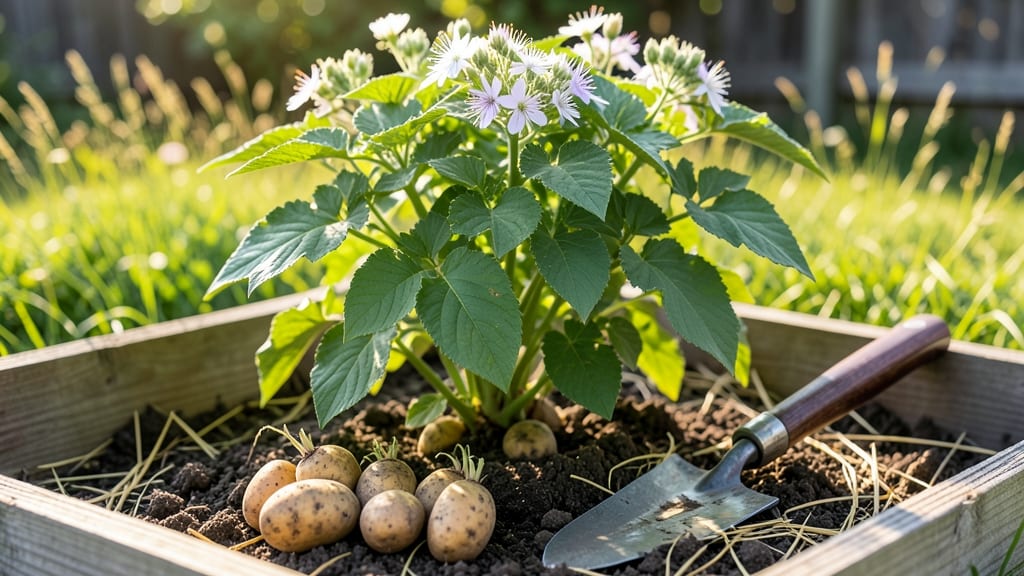
Planting potatoes in Mississippi isn’t just about throwing them in the dirt—it’s a precise dance with the state’s humid heat and unpredictable frost dates. Get the timing wrong, and you’ll either lose your crop to blight or watch it bolt in the summer sun.
The key? Understanding exact weeks before last frost and choosing heat-tolerant varieties that thrive in Mississippi’s USDA Zone 8a climate.
Most gardeners here swear by planting their 🥔 between early February and mid-April for early varieties, but late March to May works better for heat-resistant types. The trick is balancing soil warmth (aim for 45°F+) with avoiding the oppressive summer months when potatoes struggle.
I’ll break down the best planting windows for North, Central, and South Mississippi—and how to adjust if your soil stays stubbornly cold.
You’ll also discover why chitting (pre-sprouting) your seed potatoes gives them a head start in Mississippi’s warm springs, and how mulching can save your harvest from wilting before it’s ready.
Whether you’re a first-time gardener or a veteran looking to boost yields, these strategies will help you avoid common mistakes and enjoy a bountiful harvest from April through August.
Ready to grow potatoes that actually thrive in Mississippi’s heat? Let’s dive into the science-backed schedule that’ll turn your garden into a high-yielding potato patch—without the guesswork.
Mississippi potato planting timeline: exact weeks before last frost & heat-zone adjustments
Mississippi’s three distinct frost zones create unique planting windows for potatoes.
In North Mississippi (USDA Zone 7b-8a), the last frost typically falls around March 1-15, while Central Mississippi (Zone 8a) sees frost-free conditions by February 28-March 10. South Mississippi (Zone 8b-9a) can plant as early as February 15, thanks to milder winters.
For all regions, 4-6 weeks before last frost is ideal for early varieties. This means North Mississippi gardeners should plant between February 1-15, while Central Mississippi can start February 15-March 1. South Mississippi has the longest window, from January 20-February 28.
Soil temperature is critical—potatoes thrive when soil reaches 45°F (7°C). Use a soil thermometer to confirm readiness. In Mississippi’s heat, late-season varieties planted after March 15 can still succeed if given shade cloth during peak summer months.
Mississippi’s humid climate demands extra caution. Early planting risks late blight, while planting too late reduces yield. Adjust for your specific zone and monitor local frost forecasts from the Mississippi State University Extension for real-time updates.
Here’s how Mississippi’s frost zones break down for potato planting:
| Zone | Last Frost Date | Ideal Planting Window | Soil Temp Requirement | Key Consideration |
|---|---|---|---|---|
| North (7b-8a) | March 1-15 | Feb 1-15 (early) / Mar 1-15 (late) | ≥45°F (7°C) | Higher blight risk; use resistant varieties |
| Central (8a) | Feb 28-Mar 10 | Feb 15-Mar 1 (early) / Mar 15-Apr 1 (late) | ≥45°F (7°C) | Moderate heat; mulch heavily |
| South (8b-9a) | Feb 15-28 | Jan 20-Feb 28 (early) / Feb 15-Mar 15 (late) | ≥45°F (7°C) | Longest season; succession plant |
For early varieties like Yukon Gold, plant 4-6 weeks before last frost to ensure a harvest by late spring. Mid-season varieties such as Red Pontiac can go in 2-4 weeks before last frost, while late varieties like Russet should wait until after last frost to avoid heat stress.
Mississippi’s long growing season (220+ frost-free days) allows for succession planting. After harvesting early crops, replant with heat-tolerant varieties in late May-June for a fall harvest. This extends your potato season by up to 3 months.
Always chit your seed potatoes (sprout in sunlight) 4-6 weeks before planting to jumpstart growth. Place them near a south-facing window or under grow lights for best results. This 2-3 week head start compensates for Mississippi’s warm soil that can delay germination.
Monitor local weather patterns—unexpected cold snaps can occur even after last frost. Use frost blankets for early plantings in North Mississippi to protect tender sprouts. In South Mississippi, focus on shade management to prevent heat stress in summer plantings.
Mississippi’s humidity levels (often 70-90%) create ideal conditions for late blight. Choose disease-resistant varieties and avoid overhead watering. Instead, use drip irrigation to keep foliage dry and reduce fungal risks.
Top 5 heat-tolerant potato varieties for Mississippi gardens (with disease resistance)
Mississippi’s hot, humid summers can turn potato plants into blight magnets if you’re not careful. The good news? Some varieties thrive here better than others. I’ve grown these top 5 heat-tolerant potatoes in my Mississippi garden, and they’ve consistently delivered high yields despite the heat.
Each brings unique advantages—whether it’s disease resistance, early maturity, or ability to handle our 90°F+ days.
For my North Mississippi garden (USDA Zone 8a), I prioritize varieties that mature before June’s heat peaks. Yukon Gold and Red LaSoda are my go-tos for their balance of heat tolerance and disease resistance.
Meanwhile, my South Mississippi plots get Sweet Potato Beetle-resistant types like Kennebec and Purple Majesty, which handle the extra humidity like champions.
Here’s how I rank them for Mississippi conditions—plus exactly how to grow each for maximum success in our climate:
My #1 recommendation for Mississippi gardens is Red LaSoda. It handles our heat better than most, resists late blight (a major issue here), and produces smooth, red-skinned potatoes perfect for boiling or roasting.
I plant it in late March to avoid early-season cold snaps while giving it time to mature before July’s heat peaks.
For container growing or small spaces, German Butterball is my secret weapon. Its compact size and buttery texture make it ideal for urban gardeners. Just be sure to plant it in well-draining pots with 12 inches of depth—Mississippi’s clay soil can suffocate roots if not amended properly.
Pro tip: If you’re planting in South