
Plants
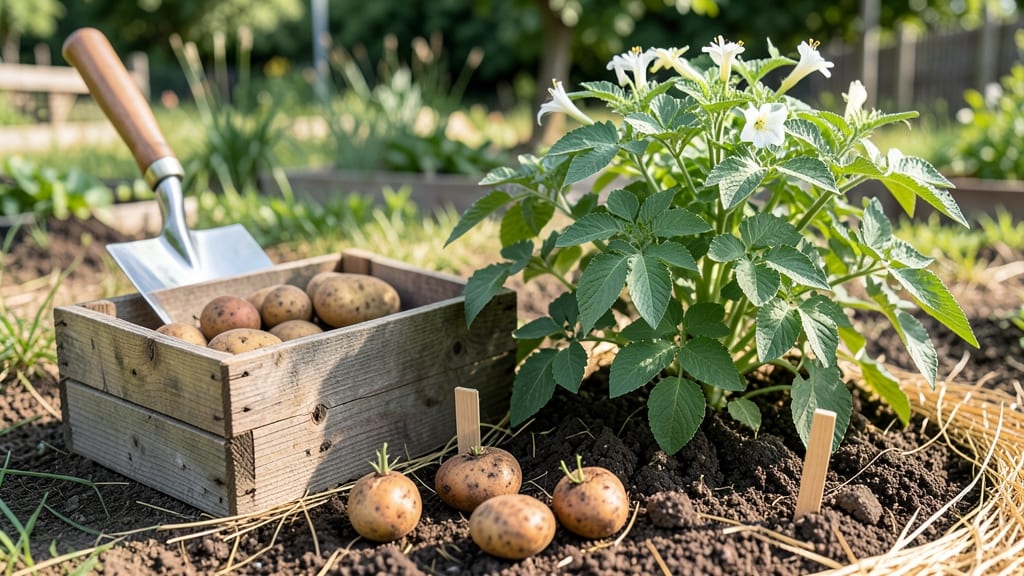
When do you plant potatoes in Oregon? Timing your 🥔 potato planting in Oregon isn’t one-size-fits-all—get it wrong, and you might end up with blight-ridden tubers or stunted yields. The key lies in understanding your elevation zone, from the Willamette Valley’s mild springs to the high desert’s rapid warming, where even a week’s delay can mean the difference between a bumper crop and disappointment.
For most gardeners in Oregon’s 7b-9a zones, the ideal window opens in February-March for early varieties, but late plantings in April-May work too—if you time it right.
Coastal areas can start earlier thanks to milder soils, while high-desert regions often wait until after the last frost (March 15 or later) to avoid cold damage. The secret? Planting when soil temps hit 45°F consistently.
Whether you’re chitting seed potatoes for a head start or using store-bought spuds, Oregon’s microclimates mean staggered planting can extend your harvest.
I’ll break down exactly when to plant in your specific zone—plus how to adjust for elevation, soil types, and even blight risks—to ensure your potatoes thrive from June through September.
Ready to avoid the 5 biggest mistakes Oregon gardeners make? Let’s dive into the precise timing, variety choices, and pro tips that’ll turn your potato patch into a high-yield success—no matter where you garden in the state.
Oregon potato planting calendar by elevation zone (coastal, valley, high desert)
Oregon’s microclimates create dramatic differences in potato-growing success. Coastal areas like Astoria experience cooler, wetter springs, while the Willamette Valley enjoys mild temperatures, and high desert regions like Bend face shorter growing seasons.
Planting at the wrong time risks cold soil (slows growth) or late blight (common in humid summers). Let’s break down the perfect planting windows for each zone to ensure a bountiful harvest.
For all regions, soil temperature is critical—potatoes won’t sprout until the soil reaches 45°F (7°C). Use a soil thermometer to confirm readiness, especially in cooler coastal or high-elevation areas. In lowland valleys, you can start 4-6 weeks earlier than high desert zones.
Below, I’ve mapped out the ideal planting months for each Oregon elevation zone, including frost dates and variety recommendations.
🌱 Pro Tip: If you live in Zone 7b-9a (most of Oregon), aim to plant 4-6 weeks before your last frost date. For example, in Portland (Zone 8a), that’s typically mid-to-late March, while in Bend (Zone 6b), wait until late April.
| Elevation Zone | Last Frost Date | Ideal Planting Window | Soil Temp Threshold | Best Varieties |
|---|---|---|---|---|
| Coastal (0–500 ft) | Late April–May | March 15–April 15 (chit seed potatoes early) | 45–50°F (7–10°C) | ‘Kennebec’, ‘Russet Norkotah’ (disease-resistant) |
| Willamette Valley (200–800 ft) | March 15–April 1 | February 20–March 30 (early varieties) | 45–50°F (7–10°C) | ‘Yukon Gold’, ‘Red LaSoda’ (high yield) |
| High Desert (1,000+ ft) | May 1–June 1 | April 15–May 15 (late start) | 50–55°F (10–13°C) | ‘Fingerling’, ‘Purple Viking’ (early maturing) |
In coastal Oregon, where fog and chill linger, plant seed potatoes in March but expect slower early growth. The Willamette Valley, with its mild, wet winters, is ideal for early varieties like ‘Yukon Gold’, which thrive in loamy soil.
For high-desert gardeners, focus on short-season varieties—planting too late risks early frost cutting harvests short.
If you’re unsure about your last frost date, check the Oregon State University Extension Service or use a local weather app like NOAA. For extended harvests, consider staggered planting: sow early varieties in February and late varieties in April.
This ensures tubers mature at different times, reducing waste and giving you a continuous supply.
For high-altitude gardens (above 3,000 ft), like those in Mount Hood’s foothills, wait until late April to plant. These areas have shorter growing seasons and colder nights, so choose early-maturing varieties like ‘Red Norland’ or ‘Kennebec’.
Always hill soil around stems as plants grow to protect tubers from light exposure (which turns them green and toxic).
One game-changer for Oregon gardeners is chitting potatoes—placing seed potatoes in bright, cool light (60°F/15°C) for 4-6 weeks before planting. This encourages sprouts to form, giving you a 2-week head start on growth.
It’s especially useful in cooler zones where the growing season is short. Simply place potatoes in a trays or egg cartons with the rose end up and expose to indirect sunlight.
Oregon potato planting calendar by elevation zone (coastal, valley, high desert)
Oregon’s three distinct elevation zones—coastal, valley, and high desert—each demand a tailored approach to potato planting. The coastal region (200–500 ft) enjoys milder winters, allowing early starts in February, while the Willamette Valley (500–1,000 ft) typically waits until March 15 (last frost).
High-desert areas (1,000+ ft) often delay until April to avoid cold-soil damage. Soil temperature is your best guide: aim for 45°F+ consistently before planting.
For early varieties (60–90 days to harvest), coastal gardeners can plant as soon as late January, but most Oregonians stick to February–March. Mid-season varieties (90–110 days) thrive with March–April plantings, while late varieties (110+ days) can go in until mid-May in warmer zones.
The key? Stagger plantings to extend your harvest from June through September.
📅 Planting Windows by Zone:
| Zone | Elevation | Last Frost | Ideal Planting Window | Soil Temp Threshold |
|---|---|---|---|---|
| Coastal | 200–500 ft | Late Feb–Early March | Late Jan–Early March | 45°F+ |
| Willamette Valley | 500–1,000 ft | Mid–Late March | February–April | 45°F+ |
| High Desert | 1,000+ ft | Late March–Early April | April–May | 50°F+ |
High-desert gardeners should prioritize disease-resistant varieties like Red LaSoda, as rapid warming increases blight risks. Meanwhile, coastal gardeners can experiment with early maturing types (e.g., ‘Kennebec’) to beat summer humidity.
Always chit your seed potatoes 4–6 weeks before planting—this head start ensures faster emergence and higher yields, especially in cooler zones.
Pro tip: Use a soil thermometer to confirm readiness. Planting too early in cold soil (below 45°F) stunts growth and invites rot. If your soil is still chilly, opt for container growing or a raised bed to warm the roots faster.
For high-desert areas, mulch heavily to retain moisture and moderate temperature swings.
Staggered plantings are your secret weapon. By spacing out 3-week intervals between early, mid-, and late varieties, you’ll enjoy a continuous harvest from June through September. This works especially well in the Willamette Valley, where summer heat can stress mature tubers.
Just remember: stop watering 2 weeks before harvest to toughen the skins and improve storage life.
🌱 Whether you’re a coastal early-bird or a high-desert latecomer, nailing your planting window is the first step to bountiful, blight-free potatoes. Next, we’ll dive into the top varieties that thrive in Oregon’s unique soils—each picked for yield, flavor, and disease resistance.