
Plants
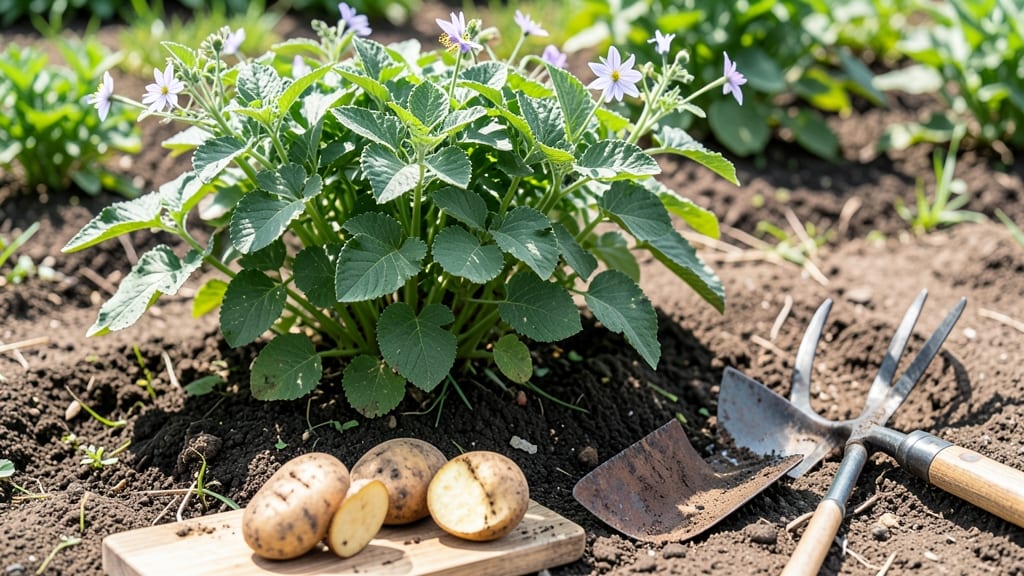
If you've ever wondered when to plant potatoes in Pennsylvania, timing isn't just about the calendar—it's about beating frost, outsmarting Pennsylvania's microclimates, and choosing the right varieties for your zone.
Whether you're in Pittsburgh's cooler hills or Philadelphia's milder valleys, getting this right means the difference between a bountiful harvest and a sad, shriveled mess.
Most gardeners here start their 🥔 potatoes indoors in late winter, a trick called "chitting," to give them a head start on the 5b-7a growing season.
But even with this early prep, the real magic happens when you plant them just as the soil warms—typically between late March and early April. Miss this window, and you risk stunted growth or worse, potatoes that never fully mature before the first frost.
I've learned the hard way that Pennsylvania's unpredictable weather demands flexibility. Some years, you'll need to adjust your planting date by weeks, depending on whether you're in a frost-prone valley or a sheltered urban garden.
The key is knowing your last frost date and choosing cold-hardy varieties that can handle early planting without wilting.
In this guide, I'll break down the exact planting windows for your region, the best varieties for Pennsylvania's short season, and pro tips to stretch your harvest—so you can enjoy homegrown spuds from July through September. Let's get those potatoes in the ground the right way.
Pennsylvania potato planting dates by USDA Zone & last frost averages
Timing your potato planting in Pennsylvania depends on your USDA Hardiness Zone (4-7) and local frost patterns. The Keystone State’s last spring frost typically arrives between April 15 (mountains) and May 1 (southeastern regions), while first fall frosts hit as early as October 15.
These dates create a 165-day growing window—critical for potatoes needing 90-120 days to mature.
For best results, plant seed potatoes 2-4 weeks before your area’s last frost date. This early start ensures tubers develop before summer heat stresses plants. However, Pennsylvania’s microclimates (like warmer valleys or cooler mountain slopes) can shift ideal dates by 1-2 weeks.
Always check your local Almanac frost calendar for precision.
Soil temperature is equally important—potatoes sprout best when soil reaches 45°F (7°C). In colder northern PA zones (5b-6a), wait until mid-April; in warmer southern zones (7a), early March works. Use a soil thermometer to confirm readiness before planting.
| USDA Zone | Last Frost Date | Ideal Planting Window | Soil Temp for Planting | Harvest Window |
|---|---|---|---|---|
| 5b (Erie, Scranton) | April 25 - May 5 | Mid-April to early May | 45-50°F (7-10°C) | July 20 - August 15 |
| 6a (State College, Harrisburg) | April 15 - April 25 | Late March to mid-April | 45-50°F (7-10°C) | July 10 - August 10 |
| 6b (Lancaster, Lebanon) | April 1 - April 15 | Early to mid-April | 45-50°F (7-10°C) | June 25 - July 25 |
| 7a (Philadelphia, Reading) | March 25 - April 10 | Late February to early March | 45°F (7°C) minimum | June 15 - July 15 |
Mountain regions (like Poconos or Allegheny Plateau) often experience later frosts due to cold air pooling. Plant 1-2 weeks later in these areas unless using cold-hardy varieties like Adirondack Blue. Conversely, urban heat islands (e.g., Philadelphia suburbs) may allow earlier planting—start as soon as soil thaws.
For container growing, extend your season by 2-3 weeks using black plastic mulch or row covers. These methods warm soil faster and protect young sprouts. In Zone 7a, you can even plant a fall crop in early September for a late-October harvest before frost.
Pro tip: Chit your seed potatoes (sprout indoors) for 2-3 weeks before planting. This gives you a 2-week head start on growth, crucial in Pennsylvania’s short season. Place potatoes near a sunny window with temperatures between 55-65°F (13-18°C) to encourage even sprouting.
Adjust your planting schedule if you notice unusual weather patterns. For example, the 2023 late spring freeze delayed Zone 6a plantings by 3 weeks. Monitor NOAA’s climate outlooks and use frost cloth as a backup for early starts.
Remember: Early planting ≠ early harvest. Potatoes need consistent warmth to bulk up. If you plant too soon in cold soil (below 45°F), sprouts may rot before emerging. Balance eagerness with patience for the best tuber yields.
🌱
Best cold-hardy potato varieties for Pennsylvania’s short season
Choosing the right potato variety is just as critical as timing in Pennsylvania’s 5b-7a zones. With only 165 frost-free days, you need varieties that mature quickly and resist common PA pests like late blight and potato scab.
My top picks balance speed, disease resistance, and flavor—perfect for everything from early spring plantings to late-season harvests.
For early starts (planting in late March), I swear by Yukon Gold—its waxy texture and buttery taste make it a crowd-pleaser, plus it matures in 85-95 days.
If you’re in cooler zones like the Poconos, try Kennebec, a workhorse that handles humidity and resists diseases like a champ. It’s my go-to for mid-season plantings in April.
Don’t overlook Adirondack Blue for a unique twist—its purple-fleshed tubers are stunning and packed with antioxidants. It’s ideal for late April plantings if you want to experiment, though it needs a slightly longer season (100-110 days).
For small spaces or containers, Fingerling potatoes are my secret weapon. They mature in just 70-85 days and thrive in 5-gallon buckets, making them perfect for balconies or patios.
Pro tip: If you’re planting in Zone 5b (like Erie or the Poconos), prioritize early-maturing varieties like Red Norland or LaSoda. These handle cooler soils better and avoid the scab that plagues humid PA summers.
Always check your seed packets for days to maturity—subtract that from your first frost date to avoid late-season surprises.
For maximum yield, rotate your potato varieties yearly to prevent soil-borne diseases. I’ve had the best luck alternating between Yukon Gold (early) and Kennebec (mid-season) in the same bed, with a 3-year break before replanting potatoes.
Pair them with marigolds or basil to deter pests naturally—it’s a game-changer in PA’s buggy summers.
Remember, the soil temperature matters just as much as the variety. Wait until the soil reaches 45°F (7°C) at least 6 inches deep—a simple soil thermometer is your best friend.
Planting too early in cold soil leads to rotten seed potatoes, and nobody wants that after all your prep work!