
Plants
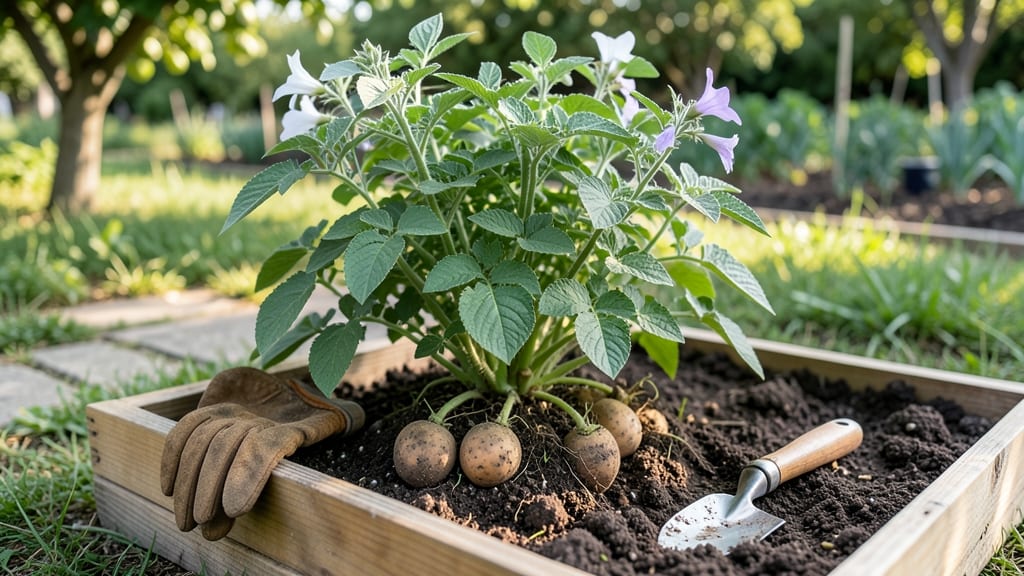
When do you plant potatoes in Zone 9? Timing is everything when it comes to growing 🥔 potatoes in Zone 9, where the wrong schedule can turn your harvest into a heat-stressed disaster. Unlike cooler climates, Zone 9 gardeners face a narrow window to plant before scorching temperatures trigger bolting—those unsightly flower stalks that rob your tubers of energy.
Most gardeners assume late winter is the only option, but with the right heat-tolerant varieties and a few smart adjustments, you can actually plant twice a year. The key is understanding how your local microclimate—whether coastal or inland—affects soil temperatures and moisture retention.
In this guide, I’ll break down the exact weeks to plant for maximum yield, plus the best varieties that won’t bolt in 90°F+ heat. You’ll also discover how to extend your growing season with mulching and shade cloth, so you’re not left scrambling when the summer sun peaks.
Skip the guesswork and learn how to turn your Zone 9 garden into a potato powerhouse—without the risk of wasted tubers or disappointed expectations.

Exact weeks to plant potatoes in Zone 9 for maximum yield (avoiding heat bolting)
In Zone 9, potatoes face a unique challenge: the risk of heat bolting (premature flowering) when planted too early, or missed harvests if planted too late. The key is timing your seed potatoes for 60-90 days of cool weather before summer’s peak heat arrives.
Unlike colder zones, Zone 9 gardeners can also try a fall planting for a second harvest—if you act fast!
Your optimal planting window spans from mid-January to early March, when soil temperatures stay below 65°F (18°C). This gives tubers time to establish roots before the April-May heat surge.
For a fall crop, aim for late August to early September, harvesting before winter rains arrive. Missed timing leads to small, green (toxic) tubers or no harvest at all.
Here’s the critical timeline to avoid common mistakes:
- Soil temp must be 45-60°F (7-15°C) at planting
- Daytime temps should stay below 75°F (24°C) during growth
- Harvest before July 4th for spring plantings
| Planting Window | Soil Temp | Days to Harvest | Key Risk |
|---|---|---|---|
| Mid-January to Early March | 45-60°F (7-15°C) | 90-120 days | Heat bolting |
| Late August to Early September | 55-65°F (13-18°C) | 60-80 days | Short season |
🌱 Pro Tip: Test soil temp with a thermometer—plant only when it’s consistently cool.
Before planting, prep your soil with organic matter (compost or aged manure) to improve drainage—Zone 9’s clay soils can trap moisture, causing rot.
Work in bone meal or phosphorus-rich fertilizer to encourage tuber formation. Raise beds if your yard stays soggy after rains, and avoid planting where tomatoes or potatoes grew last year to prevent disease buildup.
For seed potatoes, choose certified disease-free tubers from garden centers. Cut larger potatoes into 2-inch chunks with at least 2 eyes each, let them cure for 24 hours, then plant 4-6 inches deep.
Space rows 3 feet apart to allow airflow and easy harvesting. Mulch heavily with straw to keep soil cool and moist—a must in Zone 9’s dry spells.
Watch for heat stress signs: wilting leaves, yellowing foliage, or flowers appearing too soon.
If temps hit 85°F (29°C), use shade cloth (30-50%) to protect plants. Drip irrigation in the morning keeps roots cool and reduces evaporation. Never water at night, as damp foliage invites fungal diseases like blight.
Harvest time arrives when 3/4 of the plant has died back naturally. For new potatoes, dig gently when tubers are 1-2 inches wide (around 50 days).
For full-sized potatoes, wait until 90-120 days, then cure tubers in a cool, dark place for 1-2 weeks to develop thicker skins. Store in a ventilated box at 40-50°F (4-10°C) for up to 6 months.
Zone 9’s second harvest trick: Plant heat-tolerant varieties like ‘Red LaSoda’ in late August for a fall crop. Use black plastic mulch to warm soil faster and extend the season. Harvest before rains in October, or tubers may rot in saturated soil.
This method gives you two harvests per year—double the potatoes!
Remember: Timing is everything in Zone 9. Plant too early, and your potatoes bolt; too late, and summer’s heat steals your harvest. But with these precise weeks and heat-smart strategies, you’ll enjoy homegrown spuds all year. Happy digging! 🥔
Exact weeks to plant potatoes in Zone 9 for maximum yield (avoiding heat bolting)
In Zone 9, the ideal planting window for potatoes is a 6-week stretch from mid-February to early April. This timing ensures your tubers develop before the 90°F+ heat triggers bolting. Coastal areas can start slightly earlier (late January), while inland regions should wait until March to avoid soil overheating.
Most gardeners focus only on spring planting, but Zone 9’s mild winters also allow for a fall harvest. Plant again in late August to early September for a second crop before the first frost—though Zone 9 rarely sees frost, heat stress remains the bigger threat.
Here’s the exact timeline for your Zone 9 garden, including soil prep and temperature thresholds:
| Planting Window | Soil Temp Goal | Key Task | Harvest Window |
|---|---|---|---|
| Late January - Mid-February (Coastal) | 55-60°F | Cut seed potatoes, prep beds | May - June |
| Mid-February - Early April (Inland) | 60-65°F | Plant 4-6" deep, mulch heavily | June - July |
| Late August - Early September (Fall) | 65-70°F | Use shade cloth, plant early-maturing varieties | October - November |
For coastal Zone 9 (e.g., Southern California), aim for late January when soil temps stabilize above 55°F. Inland areas like Arizona or Texas should wait until March to avoid premature bolting. Always test soil moisture—potatoes hate soggy roots but need consistent hydration.
Pro tip: Use a soil thermometer to confirm temps. If your soil heats above 80°F before tubers reach 2 inches, your potatoes will bolt. Mulch with straw or grass clippings to keep roots cool and moist.
Zone 9’s long growing season means you can double your harvest with a fall planting. Just choose early-maturing varieties (like 'Red LaSoda') and protect them with 30% shade cloth during peak afternoon heat. With the right timing, you’ll enjoy fresh potatoes from May through November!