
Plants
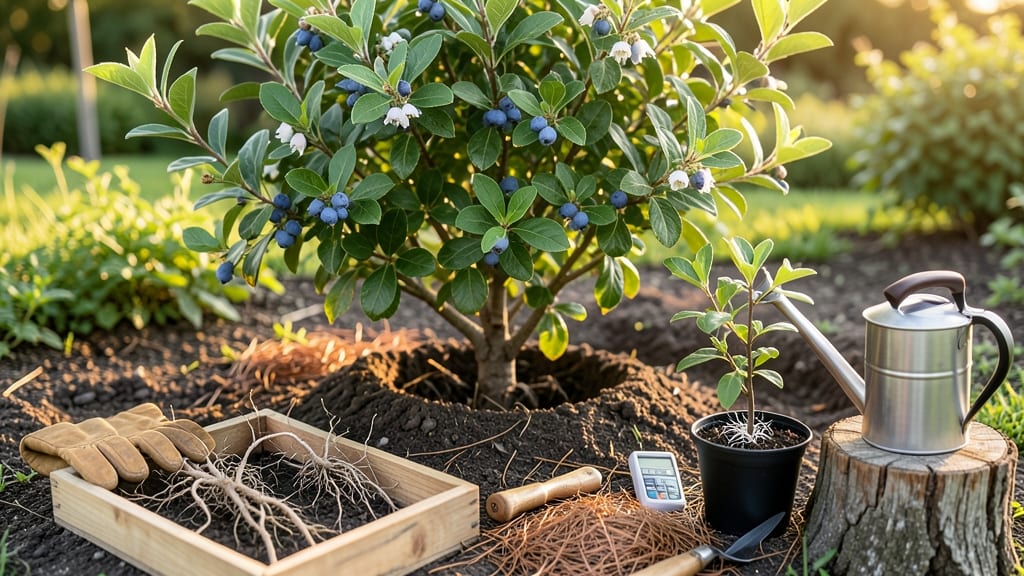
Planting blueberries in Southern California might seem tricky with our warm winters, but the right timing and heat-tolerant varieties can turn your garden into a juicy harvest zone.
Unlike colder climates, SoCal’s 9b-11 zones demand a different approach—think late fall for coastal areas or early winter for inland deserts to avoid summer heat stress.
I’ve tested what works in my own garden, and the secret lies in acidic soil prep and choosing varieties like ‘Duke’ or ‘Misty’ that handle our heat.
Even coastal zones (10a-11) need adjustments—planting too early can stress young shrubs, while inland deserts (9b) benefit from an earlier start to beat the dry season.
This guide breaks down exactly when to plant—whether you’re working with bare-root plants or containers—and how to protect your 🫐 blueberries from SoCal’s microclimate quirks. No more guessing: just science-backed timing for a thriving bush.
Ready to grow? Let’s dive into the best planting windows, soil hacks, and heat-beating strategies that actually work in Southern California’s climate.
Best planting times for blueberries in Southern California’s climate zones
Southern California’s diverse microclimates—from coastal chill to inland desert heat—mean planting blueberries at the wrong time can spell disaster. Coastal areas (like San Diego) thrive with fall-to-winter planting, while inland desert zones (like Palm Springs) need an earlier start.
Let’s break down the perfect windows for each zone to maximize survival and fruit production.
For coastal SoCal (USDA zones 10a-11), the ideal planting window stretches from November through March. This aligns with the natural dormant period, reducing transplant shock. Inland desert areas (USDA zones 9b-10a) should plant October through December to avoid summer heat stress during establishment.
Why timing matters: Blueberries are frost-sensitive but also heat-intolerant. Planting too late risks summer stress, while planting too early exposes young roots to unexpected cold snaps. Coastal areas have zero frost risk, so focus on avoiding summer heat, while inland zones must dodge both extremes.
Here’s how to adjust your planting schedule based on your location:
| Zone | Best Planting Window | Key Considerations | Soil Prep Tip |
|---|---|---|---|
| Coastal (10a-11) | November–March | No frost risk; prioritize moisture retention in summer | Add peat moss to improve drainage |
| Inland Desert (9b-10a) | October–December | Frost risk in winter; plant before heatwaves | Use raised beds with sulfur amendments |
| Urban (Containers) | November–February | No soil prep needed; focus on pot size (15+ gallons) | Mix acidic potting mix with perlite |
If you miss the ideal window, don’t panic! Container-grown blueberries can be planted in early spring (April) as long as you provide afternoon shade during summer. Bare-root plants, however, must go in during dormancy—never in summer—or they’ll wilt under SoCal’s heat.
Pro tip: Test your soil pH before planting. Southern California’s native soil is often alkaline (pH 7.5+), but blueberries need acidic soil (pH 4.5–5.5).
If your test results are off, amend with elemental sulfur or pine fines 2–3 months before planting to give the soil time to acidify naturally.
For coastal gardeners, aim to plant by mid-December to ensure roots establish before summer. Inland growers should plant by late November to avoid winter chill. Both groups benefit from mulching with pine straw to retain moisture and mimic the acidic conditions blueberries crave.
Remember: Blueberries are slow to establish—it can take 2–3 years for a new plant to bear fruit. Planting at the right time ensures your shrubs grow strong enough to reward you with harvests from April to July.
🌱
Best planting times for blueberries in Southern California’s climate zones
Southern California’s diverse microclimates create unique challenges for blueberry growers. Coastal areas like Malibu and San Diego enjoy mild winters with rare frost, while inland deserts near Palm Springs experience hotter summers and occasional winter chills. These differences mean your planting window should shift based on your location.
For coastal areas (USDA zones 10a-11), the ideal time to plant blueberries is between November and March. This cooler period gives young plants time to establish roots before summer heat arrives.
Inland desert regions (USDA zones 9b) should plant slightly earlier, from October to December, to avoid the brutal summer sun.
🌱 Southern California Blueberry Planting Comparison
| Zone & Location | Best Planting Window | Key Consideration | Soil Prep Tip |
|---|---|---|---|
| Coastal (10a-11) | November - March | Mild winters, no frost risk | Amend with sulfur for acidity |
| Inland Desert (9b) | October - December | Hot summers, possible winter chills | Use raised beds with peat moss |
| Urban Areas (LA, SD) | November - January | Heat islands require containers | Acidic potting mix required |
🌡️ Pro Tip: Always check your specific microclimate—just 20 miles inland can mean 10°F temperature differences!
If you miss the optimal window, don’t panic! You can still plant blueberries in early spring (April), but be prepared for summer stress. Bare-root plants handle cooler weather better, while container-grown blueberries can be planted year-round with proper care.
Just avoid planting during peak summer months (June-August)—the heat will shock young plants.
Another critical factor is frost risk. While coastal areas rarely see frost, inland valleys like the San Fernando Valley can experience light frosts in December or January. If frost is forecasted after planting, protect young plants with frost cloth or row covers.
This extra layer can make the difference between a thriving bush and a frostbitten failure.
For container gardening, timing is slightly more flexible since you control the environment. Plant container-grown blueberries anytime except during extreme heat (above 90°F). Just ensure your pots have drainage holes and use a lightweight, acidic potting mix to prevent root rot in SoCal’s alkaline soil.
Remember, blueberries are perennials, so proper planting timing now means years of harvests with minimal effort. With these location-specific windows, you’ll give your blueberries the best possible start in Southern California’s challenging climate. 🌱