
Plants
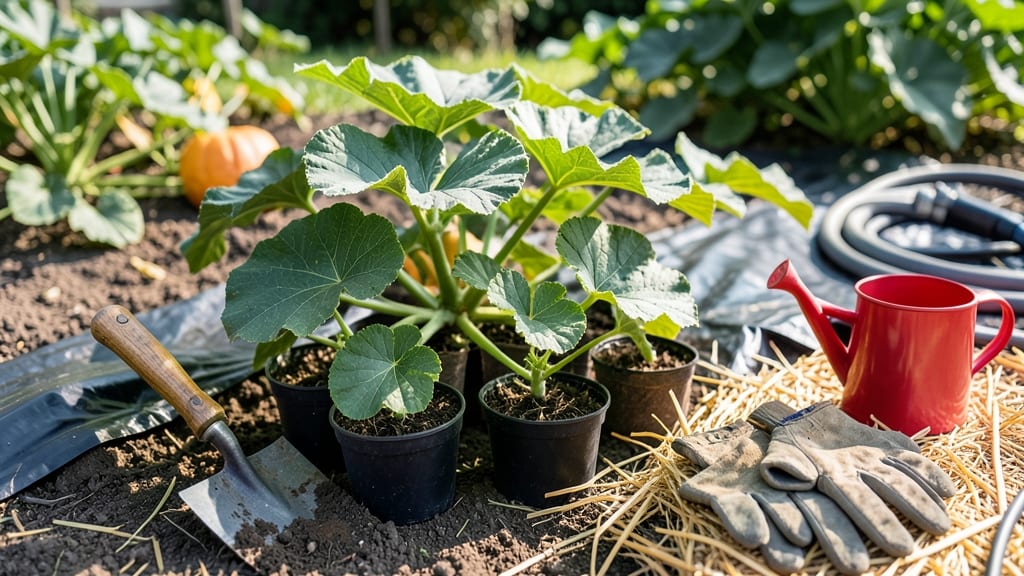
Planting pumpkins in California isn’t as simple as dropping seeds into the dirt—your location’s microclimate could mean the difference between a bumper crop and a sad, wilted vine. With coastal fog, desert heat, and everything in between, timing is everything.
Whether you’re in frost-free San Diego or the high desert near Palm Springs, knowing the perfect window ensures your 🎃 thrives from seed to harvest.
Most gardeners in California’s USDA zones 9-11 can plant pumpkins as early as March, but inland desert areas often wait until April or May to avoid scorching young seedlings. The key? Soil temperature—wait until it hits 60°F (15°C)—and that’s where local conditions come into play.
Coastal areas with cooler nights might need a slightly later start, while the Central Valley’s warmer soil can handle earlier planting.
Here’s the game-changer: adjusting for your specific region’s heat and frost risks. Unlike northern states, California rarely faces frost, but sudden coastal chills or desert heatwaves can still sabotage your pumpkins.
I’ll break down the exact planting windows for your microclimate, so you can avoid common pitfalls and maximize your harvest.
Ready to grow pumpkins that rival the ones at the farmers’ market? Let’s dive into the science-backed timing that’ll have your vines sprawling—and your kitchen stocked—by fall.
You’ll learn how to read your local climate cues, calculate ideal transplant dates, and even spot the 5 signs your seeds are ready to go in before it’s too late.
California pumpkin planting calendar by microclimate zones
California’s diverse microclimates mean your pumpkin planting window could span from March to June, depending on where you live. Unlike frost-prone states, California’s frost-free zones (USDA 9–11) let you grow pumpkins year-round—but timing still matters for heat tolerance and soil readiness.
Let’s break it down by region so you don’t plant too early (risking heat stress) or too late (missing your harvest window).
For coastal areas like San Francisco or Santa Barbara, March to early May is ideal. The cooler ocean breezes slow early growth, giving you a longer harvest season (July–October). In contrast, inland deserts (e.g., Palm Springs) need April to June planting to avoid 100°F+ soil temperatures that stunt seedlings.
Even the Central Valley (Sacramento, Fresno) has a 2-week window difference between north and south—plan accordingly!
🎃
Pro tip: Soil temperature is your best planting guide, not just calendar dates. Use a soil thermometer—pumpkin seeds need 60°F (15°C) to germinate. In desert zones, wait until 70°F (21°C) to avoid seedling scorch.
And if you’re growing bush varieties (like ‘Jack Be Little’), plant 2 weeks later than vining types—they mature faster!
For container growing, start seeds indoors 4–6 weeks before your outdoor window. Use biodegradable pots to transplant seedlings without disturbing roots. Just remember: Pumpkins hate transplant shock, so harden off seedlings for 7–10 days before moving them outside.
Coastal gardeners, take note—fog delays germination, so use row covers if nights dip below 50°F (10°C).
🌱
If you’re in Zone 10–11 (e.g., Los Angeles, Riverside), you can even plant two crops: one in April for a summer harvest and another in July for a fall/winter harvest. Just space them 12–15 feet apart
How to adjust planting dates for your local frost-free window
California’s frost-free reputation is a gardener’s advantage, but it doesn’t mean you can plant pumpkins anytime. Since most varieties need 90–120 days to mature, timing is critical to avoid summer heat stress or fall harvest delays. The key?
Calculating your local frost-free window and working backward from your target harvest date. For example, if you want pumpkins ready by Halloween, start seeds 100 days earlier—around mid-June for inland areas or early June for coastal zones.
Unlike northern states, California’s USDA zones 9–11 eliminate frost risk for most regions, but heat units (growing degree days) become your new benchmark. Pumpkins thrive when daytime temps stay between 70–90°F (21–32°C), so planting too early in hot desert zones (like Palm Springs) can scorch seedlings.
Use a heat-unit calculator to find your zone’s ideal window—most coastal areas hit the sweet spot in late April to early May, while inland deserts wait until mid-May to June.
Here’s my foolproof method: First, note your average first frost date (even if rare). For coastal areas, this might be December, while desert zones could see light frosts in January.
Then, subtract your pumpkin’s days to maturity (e.g., 100 days for jack-o’-lanterns) from that date. For a September harvest, you’d aim to transplant seedlings by early June in most of California.
Pro tip: Use row covers or shade cloth if planting early in hot zones. This buys you 2–3 weeks of protection against heat stress while seedlings establish roots.
In coastal areas with foggy mornings, delay planting until nighttime temps stay above 55°F (13°C)—cold snaps can stunt growth even without frost.
Step-by-Step: Calculate Your Pumpkin Planting Date
- Step 1: Find your USDA zone (e.g., 9a, 10b). Use the USDA Plant Hardiness Map or a local extension office.
- Step 2: Check your average first frost date (even if rare). Coastal: December; Desert: January.
- Step 3: Subtract your pumpkin’s days to maturity (e.g., 100 days for carving varieties).
- Step 4: Adjust for soil temperature: Wait until it hits 60°F (15°C)—use a soil thermometer.
- Step 5: Plant directly in the ground (pumpkins hate transplants) or start seeds indoors 2–3 weeks earlier for a head start.
🌱 Example: Zone 9b (Palm Springs) with 100-day pumpkins → Plant by June 1 to harvest by September 15.
For container growers, extend your window by 1–2 weeks—pots warm up faster than soil, giving you an earlier start. Just ensure containers are at least 5 gallons to accommodate sprawling roots.
And remember: Bush varieties (like ‘Jackpot’) mature faster (85–90 days) than vining types, so they’re ideal for coastal areas with shorter growing seasons.
Don’t overlook pest pressure when adjusting dates. Inland deserts see fewer pests but more heat stress, while coastal areas battle slugs and snails earlier in the season. If you’re in a high-risk zone, consider early planting in March to outpace pests—but monitor soil moisture closely to prevent rot.