
Plants
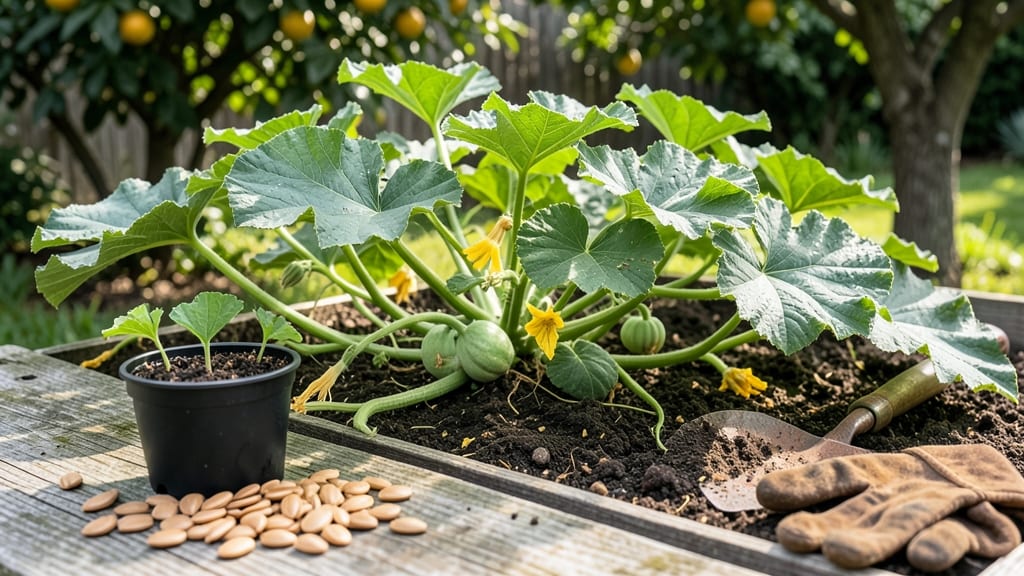
Planting pumpkin seeds in Indiana at the wrong time can mean the difference between a bountiful harvest 🎃 and wasted effort—because those vines need 90-120 days of warm weather to produce fruit.
If you wait too long, your plants won’t mature before the first frost hits around mid-October, leaving you with nothing but empty vines.
Most Indiana gardeners swear by the rule: plant after the last frost, which typically lands between mid-April and early June in USDA zones 5b-6b. But here’s the catch—soil temperature matters just as much as calendar dates.
Your pumpkin seeds need the ground to be at least 60°F to germinate properly, and that can vary by weeks depending on whether you’re in northern or southern Indiana.
In this guide, I’ll break down the exact planting window for your region, plus pro tips to give your pumpkins the best shot at success—like choosing fast-growing varieties and avoiding common mistakes that trip up even experienced gardeners. Let’s get those seeds in the ground at the perfect moment.
Ready to grow pumpkins that rival the ones at the local fall festival? The key is timing, and I’ve got the step-by-step schedule you need to make it happen—no more guesswork, just guaranteed growth.
Indiana’s pumpkin planting timeline: exact weeks before frost for peak growth
Indiana’s USDA Zones 5b-6b mean pumpkin seeds need precise timing to thrive. The last average frost date in most counties falls around April 15, but soil must reach 60°F+ for germination. This typically aligns with mid-May in northern Indiana and early May in southern regions like Evansville.
For a 90-120 day harvest window, count backward from Indiana’s first frost average of October 15. This gives you a 160-day growing season, meaning seeds should hit the soil by mid-May at the latest for full maturity.
Early varieties can stretch this slightly, but most pumpkins need ideal planting between May 15-June 1.
Here’s how Indiana’s microclimates affect timing: Northern counties (e.g., Gary, Fort Wayne) should wait until late May when nighttime temps stay above 50°F. Southern areas (e.g., Indianapolis, Bloomington) can plant 2 weeks earlier thanks to warmer soils.
Always check your local Indiana State Climate Office for year-specific adjustments.
Pro tip: Use black plastic mulch to warm soil faster—this can shave 7-10 days off your planting window. Simply lay the mulch 1-2 weeks before your target date and cut holes for seeds. This trick is especially valuable in Zone 5b areas where cool springs delay planting.
Indiana Pumpkin Planting Timeline
| Stage | Action | Indiana Timing (Zone 5b-6b) |
|---|---|---|
| Soil Prep | Test pH (6.0-6.8), add compost | April 1-May 1 |
| Plant Seeds | 1" deep in hills, 3-6ft apart | May 15-June 1 (Zone 6b) May 22-June 8 (Zone 5b) |
| Germination | Keep soil 80-90°F, moist | 7-14 days |
| Thinning | Leave 2-3 strongest plants per hill | 3-4 weeks after sprouting |
| Harvest Ready | Rind hard, stem shriveled | September 15-October 15 |
🌱 Key: Adjust dates 1-2 weeks earlier for southern Indiana, later for northern areas.
If you’re growing pie pumpkins like ‘Sugar Pie’ (85 days), aim for late May planting to ensure harvest before frost. For giant varieties (e.g., ‘Atlantic Giant’), start seeds indoors in late April and transplant after last frost—these need 120+ days and won’t tolerate Indiana’s short season if planted directly.
Monitor your garden’s microclimate: Urban areas like Indianapolis often experience heat islands that warm soil faster, while rural northern Indiana may need to wait until June 1. Use a soil thermometer to confirm 60°F+ before planting—this is non-negotiable for germination.
For container growing, plant seeds in 5-gallon pots by May 10 and place in full sun. Containers warm up faster than garden soil, giving you a 2-week head start. Just ensure pots have drainage holes to prevent rot in Indiana’s humid summers.
Remember: Indiana’s squash vine borer emerges in late June. Planting by June 1 ensures vines have 8-10 weeks of growth before borers attack. Use row covers for early protection if you’re pushing the planting window.
How to adjust pumpkin planting for Indiana’s microclimates and common mistakes
Indiana’s varied climate means your pumpkin planting success depends on local conditions. Urban gardens in Indianapolis may warm faster than rural areas in northern Indiana, so adjust your schedule by 1-2 weeks based on your last frost date.
Use black plastic mulch to warm soil 2-3°F faster, extending your planting window by 7-10 days in cooler zones.
For container growing, start seeds indoors 2-3 weeks before your outdoor planting date. Use 5-gallon pots with drainage holes and transplant seedlings when soil reaches 60°F. This gives vines a head start in Indiana’s short growing season (about 160 frost-free days).
🚨 CRITICAL MISTAKE #1: Overcrowding 🚨
Pumpkin vines need 10-20 feet of space to sprawl, yet many gardeners plant them too closely. Overcrowding leads to poor air circulation, increasing fungal diseases like powdery mildew. Space hills 6 feet apart and thin seedlings to 2-3 plants per mound for optimal yields.
🚨 CRITICAL MISTAKE #2: Ignoring Soil Drainage 🚨
Indiana’s clay-heavy soils often retain too much moisture, causing root rot. Amend beds with compost and sand to improve drainage. Plant on raised mounds or use container growing if your soil drains poorly. Well-draining soil prevents waterlogged roots and ensures steady growth.
⚠️ Squash Vine Borer Warning
Indiana’s humid summers create perfect conditions for squash vine borers, which can destroy vines overnight. Monitor plants weekly starting in June. Look for yellowing leaves or sawdust-like frass near stems. Use row covers early in the season or apply neem oil as a preventative spray.
To maximize your harvest, plant fast-maturing varieties (like ‘Jack Be Little’) in northern Indiana where summers are shorter. In southern Indiana, you can afford slightly slower varieties like ‘Howden’ while still hitting harvest deadlines. Always use trellises or cages for smaller varieties to save space and improve air flow.
Finally, mulch heavily with straw or leaves to retain moisture and suppress weeds. In Indiana’s dry spells, mulch reduces watering needs by 30-40% while keeping roots cool. Remove mulch 2-3 weeks before harvest to avoid soil contamination on your pumpkins.