
Plants
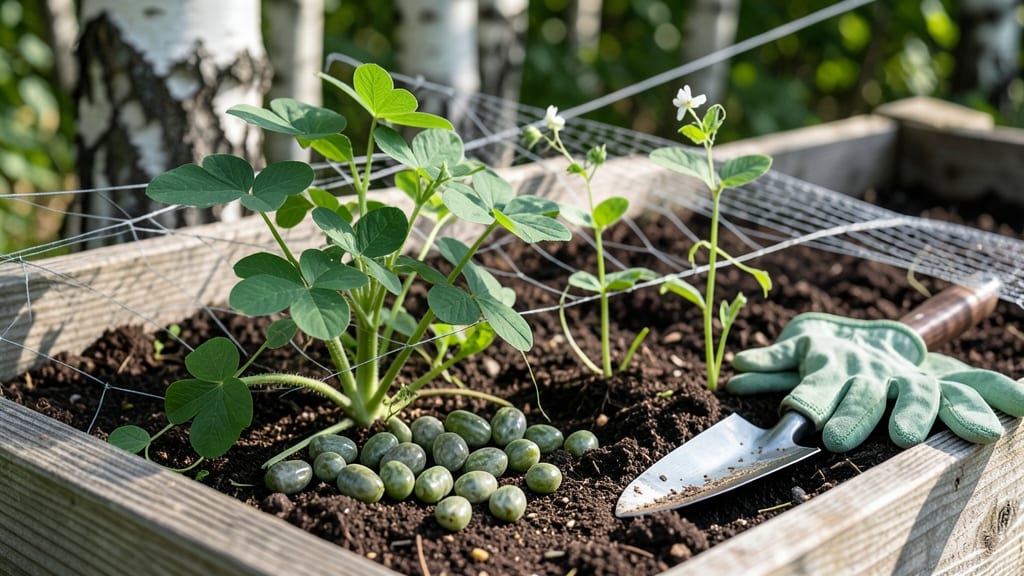
Knowing when to plant English peas in Zone 7 can mean the difference between a bountiful harvest and wasted effort. These crisp, sweet pods thrive when planted at just the right time, and getting the timing wrong can leave you with bitter-tasting peas or no crop at all.
In Zone 7, where last frosts typically arrive around mid-March, the best window for planting English peas 🌱 opens in early spring—usually between late February and early March. This timing ensures your peas have plenty of cool weather to grow before summer heat sets in, which can stress the plants.
But here’s the catch: you can also plant a second crop in late summer for a fall harvest. By sowing seeds in August or early September, you’ll enjoy fresh peas again in October or November, just before the first frost.
Whether you’re aiming for spring or fall peas, I’ll walk you through the exact weeks to plant, soil prep tips, and how to stretch your harvest season. Let’s get those peas growing!

Optimal planting weeks before last frost in Zone 7 for English peas
English peas thrive in Zone 7’s mild winters, but precise timing ensures sweet, tender pods instead of tough, stringy ones. The key is planting 4-6 weeks before your last frost date, typically between February 15 and March 15 for most of Zone 7.
This window balances soil warmth and frost risk, giving peas 55-75 days to mature before summer heat arrives.
Zone 7 spans 7a (0-5°F) and 7b (5-10°F) subzones, so adjust slightly: 7a gardeners should aim for early March, while 7b growers can start as early as mid-February. Use your average last frost date (March 15 for most areas) as your anchor and count backward.
Soil temperature matters more than air temperature. Peas germinate best when soil reaches 40-50°F. In Zone 7, this usually happens by late February, but cold soil delays germination. Test with a soil thermometer or wait until soil warms naturally—patience prevents rot.
Microclimates within Zone 7 create variations. Coastal areas (e.g., North Carolina coast) may plant 2 weeks earlier due to milder winters, while inland Piedmont zones might delay until early March. Observe your garden’s frost history: urban heat islands often frost later than rural areas.
🌱 Zone 7 English Pea Planting Timeline
| Stage | Action | Notes |
|---|---|---|
| Soil Prep | Test pH (6.0–7.0), amend with compost | Peas hate acidic soil |
| Planting Window | 4–6 weeks before last frost | Zone 7a: March 1–15; 7b: Feb 15–March 1 |
| Germination | 7–14 days at 40–50°F soil | Keep soil moist but not soggy |
| Harvest Ready | 55–75 days after planting | Pick pods when 1–2" long |
For fall planting in Zone 7, aim for 8–10 weeks before your first frost (typically August 15–September 15). This gives peas time to mature before winter chills set in. Choose cold-hardy varieties like ‘Green Arrow’ or ‘Oregon Sugar Pod’ for fall success.
Overlapping planting windows work too! In Zone 7, you can stagger 3 plantings: early March, late March, and early April. This extends harvests from May to July and prevents glutting your kitchen. Space rows 18–24 inches apart to avoid crowding and improve airflow.
Watch for false springs—warm spells in February can trick you into planting too early. If nights dip below 20°F, cover seedlings with frost cloth. Peas are hardy to 15°F, but young plants need protection during unexpected freezes.
In Zone 7’s humid summers, avoid planting peas after mid-April. Heat stress causes poor pod set and bitter flavors. If you miss the spring window, focus on fall planting instead—peas thrive in cooler weather and often produce sweeter pods.
Mark your calendar now: February 15–March 15 is your prime window for Zone 7 peas. With this timing, you’ll enjoy crisp, sugar-rich pods for weeks—no tough, mealy disappointments! 🌱
Optimal planting weeks before last frost in Zone 7 for English peas
In Zone 7, the last average frost date typically falls around March 15, but this can shift by 2-3 weeks depending on your specific location—whether you're in the Piedmont region or near the coastal plains.
For English peas, the ideal planting window is 4-6 weeks before your last frost, which translates to late February through early March for most of Zone 7.
This timing ensures your peas have enough cool weather to establish strong roots and vines before summer heat arrives. Peas thrive in cooler temperatures (50-70°F) and can even tolerate light frosts, making early spring the perfect window.
If you're in Zone 7a (colder microclimate), aim for the earlier end of this range, while Zone 7b gardeners can plant slightly later.
🌱 Zone 7 English Pea Planting Timeline
| Stage | Action | Notes |
|---|---|---|
| Soil Prep | Test pH (6.0-7.0), amend with compost | Peas prefer loose, well-draining soil |
| Planting Window | Late February - Early March | 4-6 weeks before last frost |
| Germination | 5-10 days at 50-70°F | Keep soil consistently moist |
| Harvest Window | May - Early June | Pods ready in 60-75 days |
💡 Pro Tip: For fall harvests, plant again in August (8-10 weeks before first frost).
If you're unsure about your exact last frost date, I recommend checking your local USDA Plant Hardiness Zone Map or using a frost calendar from your state's agricultural extension service.
Many gardeners in Zone 7 also use row covers to extend the season—planting as early as January under protection can give you a jumpstart on the season.
For dwarf varieties like 'Little Marvel,' you can even try container gardening on a sunny patio or balcony. These compact plants mature faster and are perfect for small spaces. Just ensure your containers have drainage holes and are at least 12 inches deep to accommodate their roots.
One common mistake is waiting until April to plant peas, which often means missing the sweetest harvest window. By then, summer heat can cause peas to bolt (flower prematurely) or develop tough, stringy pods.
Stick to that February-March window, and you’ll be rewarded with tender, flavorful peas all season long.