
Plants
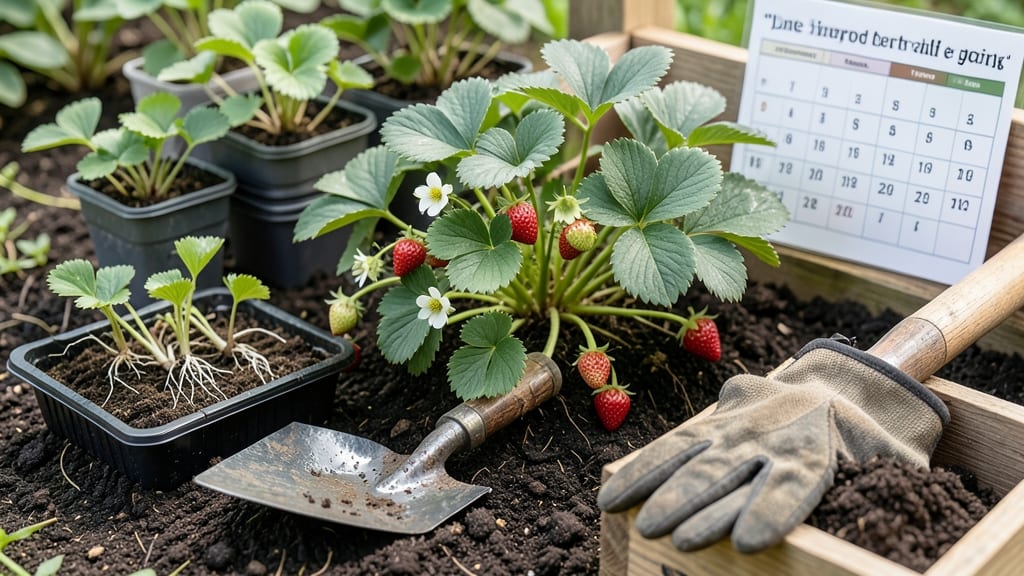
Timing your strawberry planting in Zone 8 isn't just about the calendar—it's about matching varieties to chill hours and avoiding the brutal heat that can turn your plants into sad, wilted shadows.
If you've ever watched your 🍓 plants struggle through Zone 8's 300-800 chill-hour range, you know the frustration. The right window makes all the difference between a bountiful June harvest and a season of disappointment. Let me show you exactly when to plant for maximum success.
Most gardeners in Zone 8 focus on late winter or early fall planting, but there's a science behind these windows. We'll break down the best months, soil prep secrets, and how to protect your plants from the 100°F+ heat that can arrive faster than you think.
By the end, you'll know precisely when to get those strawberry crowns in the ground—whether you're growing June-bearing varieties or experimenting with everbearing types. Your future strawberry harvest depends on getting this right.

Zone 8 strawberry planting timeline: chill-hours explained
If you're growing strawberries in Zone 8, timing is everything. Unlike cooler climates, Zone 8's 300-800 chill hours (below 45°F) demand precise planting windows to avoid heat stress. June-bearing varieties need 400+ chill hours, while everbearing types like 'Seascape' thrive with just 200-300 hours.
Plant too early, and your strawberries will bolt in summer heat—plant too late, and they won’t fruit before winter sets in.
For June-bearing strawberries, the sweet spot is late winter to early spring (February–March) or late summer to early fall (August–September). Everbearing varieties offer more flexibility but still benefit from these windows. The key? Match your variety’s chill-hour needs to your microclimate’s winter chill accumulation.
🌱
| Planting Window | Chill-Hour Range | Best Varieties | Zone 8 Success Tip |
|---|---|---|---|
| Late Winter (Feb–March) | 400–800 hours | 'Chandler', 'Fort Laramie', 'Jewel' | Plant 4–6 weeks before last frost (March 15) for root establishment. |
| Early Spring (April) | 300–500 hours | 'Seascape', 'Albion', 'Tristar' | Use shade cloth if temps exceed 90°F to prevent bolting. |
| Late Summer (Aug–Sept) | 200–400 hours | 'Seascape', 'Fort Laramie' | Plant 6–8 weeks before first frost (Nov 15) for fall harvest. |
| Early Fall (Oct) | 100–300 hours | 'Seascape', 'Ozark Beauty' | Mulch heavily to protect roots from winter temperature swings. |
Spring planting in Zone 8 requires cold-hardy varieties like 'Chandler' (600+ chill hours) or 'Fort Laramie' (500+ chill hours). These types need 6–8 weeks to establish roots before summer heat arrives. Start seeds indoors in January or buy bare-root plants in February for an early jump.
Fall planting is ideal for everbearing varieties like 'Seascape', which tolerate 300+ chill hours and produce fruit in both spring and fall. Plant in August–September to give roots time to anchor before winter. This method extends your harvest window and reduces heat stress.
Microclimates matter in Zone 8! Coastal areas (e.g., San Diego) may get fewer chill hours (300–500), while inland valleys (e.g., Phoenix) can hit 800+ hours. Use a chill-hour tracker or local extension service data to fine-tune your timing.
For example, 'Albion' (400+ hours) thrives in Southern California, while 'Jewel' (600+ hours) suits Arizona’s higher elevations.
Pro tip: Mulch with straw (2–3 inches) after planting to regulate soil temps. In spring, this keeps roots cool; in fall, it insulates against winter freezes. Pair this with drip irrigation to avoid wetting leaves—fungal diseases like gray mold thrive in Zone 8’s humidity.
💧
If you’re new to strawberries, start with bare-root plants from nurseries. They’re cheaper than potted varieties and easier to establish. For containers, use large pots (12+ inches deep) with well-draining mix (50% potting soil, 50% compost).
Place pots in full sun and water deeply every 2–3 days during summer’s peak heat.
Remember: Zone 8 strawberries reward patience. A well-timed planting in fall can yield fruit by December, while spring plantings deliver June harvests. Experiment with both windows to find your sweet spot!
Zone 8 strawberry planting timeline: chill-hours explained
Understanding chill hours is the secret to successful strawberry planting in Zone 8. Most June-bearing varieties need between 300-800 chill hours (temperatures between 32-45°F) to flower properly. Since Zone 8 typically delivers 500-700 chill hours, timing is everything to avoid heat stress before your plants can establish roots.
Your two best planting windows are late winter (February-March) and early fall (August-September). Spring planting gives your strawberries time to root before summer heat arrives, while fall planting lets them establish before winter dormancy. Let's break down the exact timing and why it matters for your Zone 8 garden.
| Planting Window | Chill Hours Available | Key Considerations | Best Varieties |
|---|---|---|---|
| Late Winter (Feb-March) | 300-500 accumulated | Plant after last frost (March 15), before soil temps hit 70°F | Chandler, Sequoia, Fort Laramie |
| Early Fall (Aug-Sept) | 500+ remaining | Plant 4-6 weeks before first frost (Nov 15) for root establishment | Seascape, Albion, San Andreas |
For spring planting, aim for February 15-March 15 after your last frost date. This gives your plants 8-10 weeks to establish before summer heat peaks.
If you plant too early, your strawberries may bolt (send up flowers) before they're ready, or worse, get fried by Zone 8's sudden heat spikes. I've seen plants go from thriving to crispy in just 10 days when temps hit 95°F!
Fall planting offers a second chance for success. Plant between August 15-September 15 to give your strawberries time to root before winter dormancy. This method works especially well for everbearing varieties that can produce fruit in both spring and fall.
The key is choosing varieties that match your chill hours—like Seascape with its 300+ chill hour tolerance.
Pro tip: Use black plastic mulch in summer to protect roots from heat. I've seen soil temps under mulch stay 10°F cooler than exposed soil during peak heat.
This simple trick can mean the difference between thriving plants and heat-stressed failures. Pair this with drip irrigation in the morning to keep roots cool and hydrated.
Remember, Zone 8's microclimates matter too. Coastal areas get more chill hours than inland desert zones. Check your local weather station's chill hour data—it's the best way to fine-tune your planting schedule. With the right timing, you'll be enjoying homegrown strawberries from June through October! 🍓