
Flowers
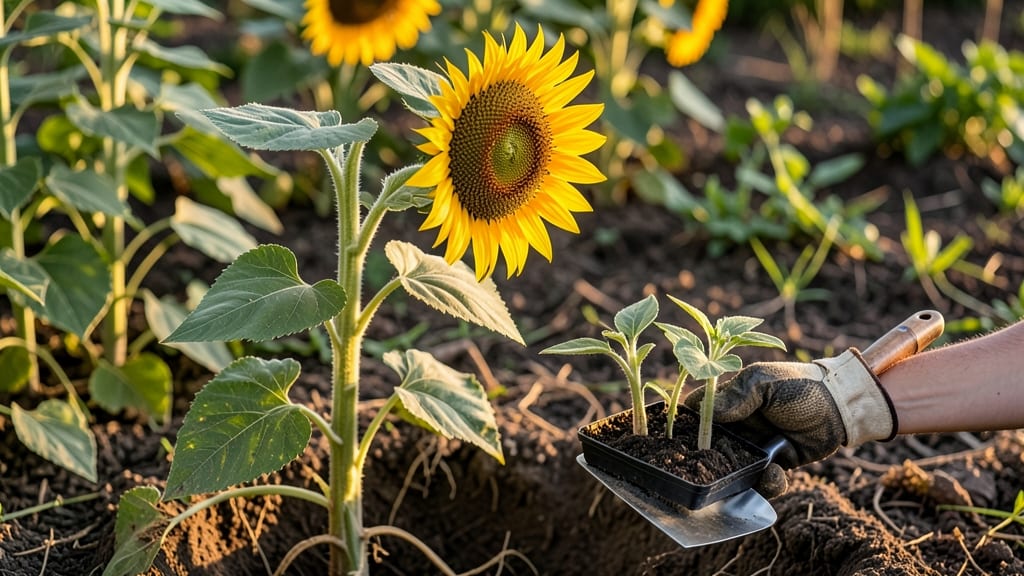
Planting sunflowers in Florida isn’t just about timing—it’s about working with the state’s unique heat and humidity to grow towering, vibrant blooms that last all season. The right window can mean the difference between a sunflower that thrives and one that struggles in the 9a-11 climate.
While you might assume Florida’s warm winters mean year-round planting, the truth is more nuanced. The key is avoiding the brutal summer heat, which can stress young plants, and leveraging the cooler months for stronger germination.
Whether you’re in the Panhandle or Miami, I’ll break down the exact months that work best for your region—and the heat-tolerant varieties that guarantee success.
If you’ve ever planted sunflowers only to watch them bolt too quickly or wilt under the sun, you’re not alone. The solution lies in strategic timing and variety selection.
I’ll share the most reliable planting windows, soil prep tips, and post-planting care to ensure your 🌻 sunflowers reach their full potential without the guesswork.
Ready to transform your Florida garden into a sunflower paradise? Let’s dive into the science-backed months and varieties that will have your plants standing tall and proud—no matter where you are in the state.
Best planting months for sunflowers in Florida’s climate zones
Florida’s climate is unique—with year-round growing potential but distinct regional differences that dictate when to plant sunflowers. Unlike northern states, you won’t face harsh winters, but humidity, heat waves, and occasional frost in the north still matter.
The key is timing your plantings to avoid summer bolting (premature flowering) while maximizing bloom time before winter chill sets in.
Sunflowers thrive in Florida’s USDA Zones 9a-11, meaning no frost is guaranteed in southern regions like Miami, but northern areas like Jacksonville or Tallahassee may see light frosts. This creates two ideal planting windows: early spring (February-April) and late summer (August-September).
Let’s break down the best months for each Florida region to ensure your sunflowers reach their full 10-16 foot potential.
| Region | Best Planting Months | Key Considerations | Average Frost Risk |
|---|---|---|---|
| North Florida (Panhandle, Jacksonville) | February-March, August-September | Soil warms slowly; avoid late spring plantings (May-June) to prevent bolting from summer heat. | Light frost possible (Dec-Jan) |
| Central Florida (Orlando, Tampa) | January-February, July-August | Longer growing season; can plant year-round but prioritize cooler months for taller varieties. | Minimal frost risk |
| South Florida (Miami, Fort Lauderdale) | Year-round (best: Sept-Nov, Jan-Feb) | High humidity; choose disease-resistant varieties and provide airflow to prevent fungal issues. | No frost risk |
| All Regions (Container Gardening) | March-April, August-Sept | Dwarf varieties thrive in pots; move indoors during extreme heat or cold snaps. | N/A |
For North Florida gardeners, focus on February-March plantings to give sunflowers time to establish before summer’s 90°F+ temperatures. In Central Florida, you can push plantings slightly earlier (January) or later (July) thanks to milder winters.
Meanwhile, South Florida’s frost-free climate allows for year-round growth, but September-November is ideal for avoiding peak summer humidity.
Pro tip: Use black plastic mulch in early spring to warm soil faster and extend your planting window by 2-3 weeks. This is especially helpful in North Florida where soil can stay cool into March.
Pair this with drip irrigation to maintain consistent moisture without overwatering—critical in Florida’s high humidity.
If you’re aiming for cut flowers or seed production, prioritize spring plantings (February-April). These sunflowers will bloom in April-June, avoiding the hurricane season (June-November) that can damage tall stems. For fall color, plant in August-September to enjoy blooms from October-December before winter chill.
One common mistake is planting too late in summer (June-July). While possible, sunflowers may bolt prematurely due to heat stress, resulting in smaller blooms. To mitigate this, pre-soak seeds for 4-6 hours before planting and provide afternoon shade with shade cloth during extreme heat waves.
For container gardening, dwarf varieties like ‘Teddy Bear’ or ‘Moulin Rouge’ can be planted any month in South Florida, but March-April is best elsewhere. Move pots to partial shade during 100°F+ days to prevent wilting. In North Florida, bring containers indoors during winter frosts (below 32°F).
Remember: Florida’s long growing season means you can succeed with multiple plantings. Start with one test batch in February, then another in August to see what works best for your microclimate. Keep a planting journal to track bloom times and adjust future schedules accordingly.
With the right timing, your sunflowers will reach their full height—some varieties even growing 16 feet tall—and provide months of vibrant color while supporting local pollinators. 🌻
Best planting months for sunflowers in Florida’s climate zones
Florida’s climate lets you grow sunflowers year-round, but timing matters for maximum blooms and heat tolerance. The perfect windows are February–April and August–September, avoiding the brutal summer heat that causes bolting (premature flowering).
North Florida’s cooler winters (like Jacksonville) allow earlier plantings, while Miami’s frost-free zone lets you sow anytime.
Sunflowers thrive in Florida’s USDA Zones 9a–11, where frost is rare but humidity and pests demand smart planning. Spring plantings (February–April) give you summer blooms, while late summer (August–September) yields fall flowers before cooler weather sets in. Avoid planting in June–July—the extreme heat stresses young seedlings.
Here’s how Florida’s three main regions differ in planting timing:
| Region | Best Planting Months | Key Considerations | Average Frost Risk |
|---|---|---|---|
| North Florida (Panhandle, Jacksonville) | February–April, August–September | Cooler winters; last frost ~January 31. Use row covers for early spring. | High (Dec–Feb) |
| Central Florida (Orlando, Tampa) | January–April, August–October | Mild winters; year-round growth possible. Watch for hurricane season (June–Nov). | Low (Dec–Jan) |
| South Florida (Miami, Key West) | Year-round (peak: Feb–April, Aug–Sept) | No frost; heat tolerance critical. Dwarf varieties excel in small spaces. | None |
For North Florida, start seeds indoors in January for transplanting after last frost (typically March 1). In Central Florida, direct-sow in February for summer blooms or August for fall displays. South Florida gardeners can plant anytime, but spring and fall yield the most vibrant blooms.
Pro tip: Use black plastic mulch in summer to raise soil temps and suppress weeds, especially in sandy Florida soil. This trick helps seedlings germinate faster in hot months like June or July.
Remember, sunflowers need 6+ hours of sun daily. In Florida’s humid climate, spaced rows (18–24 inches apart) improve airflow and reduce fungal diseases like powdery mildew. Plant in well-draining soil—Florida’s clay-heavy areas may need compost amendments.
🌻