
Flowers
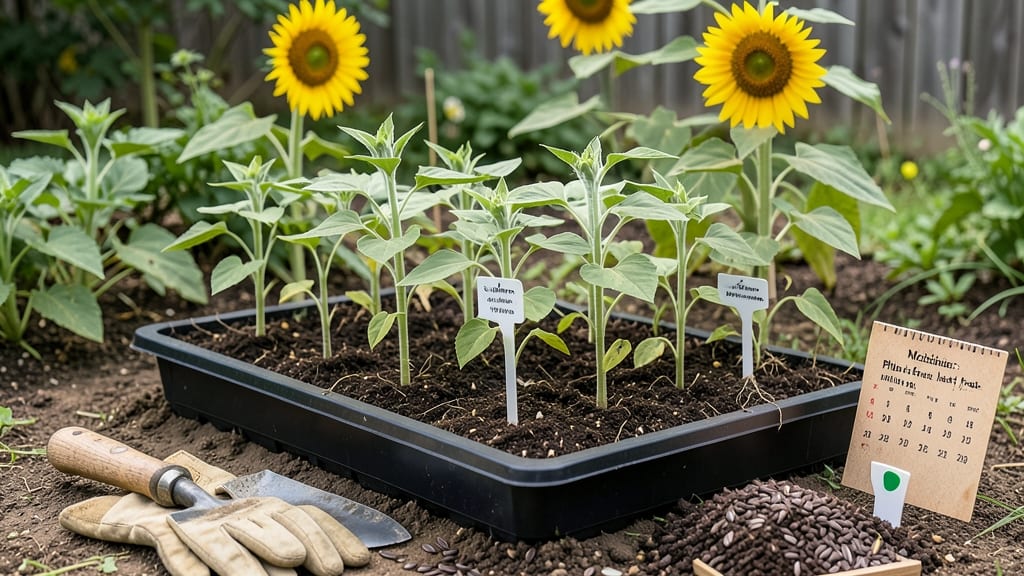
If you’ve ever planted sunflowers in Michigan only to watch them struggle or fail to bloom, timing is likely the culprit. Sunflowers thrive when planted at the perfect moment—too early and frost will nip them, too late and they’ll bolt before reaching their towering potential.
The key lies in knowing exactly when to sow seeds for those iconic 10+ foot giants that make Michigan gardens stand out.
Michigan’s climate—with its unpredictable spring frosts and varying USDA zones (5b-6b)—demands precision. Most gardeners here plant between mid-April and early June, but the real secret is waiting until soil temperatures hit at least 50°F and the last frost has passed.
This window ensures strong root development and robust growth before summer heat arrives.
Whether you’re growing ‘Mammoth Russian’ sunflowers for height or ‘Autumn Beauty’ for color, the timing matters just as much as soil prep. Northern Michigan’s shorter season may require earlier starts, while southern regions can stretch planting into June.
I’ll break down the exact weeks before last frost to maximize your sunflower’s height and vibrancy.
Ready to grow sunflowers that turn heads? Let’s dive into the Michigan-specific planting schedule that guarantees taller blooms, fewer setbacks, and a summer full of cheerful 🌻 faces.
Michigan sunflower planting calendar: exact weeks before last frost for maximum height
Michigan’s USDA zones 5b-6b create a 150-180 day growing season for sunflowers, but timing is everything. Planting too early risks frost damage to young seedlings, while waiting too long sacrifices those 10+ foot giants you crave.
The sweet spot? 2-4 weeks after your last frost date—typically mid-April to early May across most of the state.
For northern Michigan (like Traverse City), aim for late May planting to avoid late frosts. Meanwhile, southern Michigan gardeners (Detroit area) can start as early as mid-April when soil warms to 50°F (10°C).
This temperature threshold is critical—sunflower seeds won’t germinate below it, no matter how eager you are to see those golden blooms.
Here’s my proven planting timeline for Michigan’s most popular sunflower varieties:
| Variety | Planting Window | Days to Mature | Height Potential | Michigan Tip |
|---|---|---|---|---|
| Mammoth Russian | Mid-April to May 15 | 90-120 days | 12-16 ft | Plant deep (1-2 inches) for stability |
| Autumn Beauty | Late April to June 1 | 80-100 days | 3-5 ft | Great for succession planting in July |
| Teddy Bear | May 15 to June 10 | 60-70 days | 1-3 ft | Perfect for containers and short seasons |
| ProCut | Late May to early June | 50-60 days | 5-7 ft | Best for late-season harvests |
Pro tip: Use a soil thermometer to confirm 50°F soil temps before planting. Cold soil delays germination by 3-5 days, and every day counts when you’re racing to reach those 100+ day varieties.
I’ve seen Mammoth Russians bolt (flower too early) when planted in 45°F soil, resulting in puny 4-foot stalks instead of towering giants.
Michigan’s variable spring weather means you’ll need to stay flexible. If you plant in mid-April in southern Michigan and hit an unexpected 28°F night, cover seedlings with frost cloth immediately.
For northern regions, wait until May 15 to play it safe—those late frosts in USDA zone 5b are no joke for tender sunflower sprouts.
For direct sowing (the easiest method), scatter seeds 1 inch deep and 6-12 inches apart in rows 18-24 inches apart. Thinning isn’t mandatory, but if you want those giant varieties to reach their potential, remove weaker seedlings when they’re 2-3 inches tall.
This gives your winners plenty of nutrients and sunlight to grow skyward.
If you’re growing dwarf varieties like Teddy Bear or Moulin Rouge, you can squeeze them into containers as small as 12-inch pots.
These work beautifully for balconies or patio gardens, and their shorter stature means you can plant them 2-3 weeks later than giant varieties without sacrificing blooms.
Remember: Sunflowers are fast growers—some varieties like ProCut can reach 5 feet in just 6 weeks. That means if you plant in late May, you’ll still get summer-long blooms before the first frost. For extended harvests, try succession planting every 2 weeks
How to adjust sunflower planting for Michigan’s microclimates (northern vs southern regions)
Michigan’s climate varies dramatically from the southern tip near Detroit to the northern tip around Traverse City, creating unique challenges for sunflower growers.
In southern Michigan (USDA Zone 6a-6b), gardeners enjoy longer frost-free seasons and warmer soil, while northern Michigan (USDA Zone 5a-5b) faces cooler soils and earlier frosts. These differences mean your planting window could shift by 3-4 weeks depending on where you live.
For northern Michigan, where last frosts can linger until mid-May, I recommend starting seeds indoors by late March and transplanting outdoors by May 1-15. Use black plastic mulch to warm the soil faster and protect young seedlings.
In contrast, southern Michigan gardeners can plant directly outdoors from mid-April to early June, with minimal risk of frost after May 10.
If you’re in a transition zone like Grand Rapids or Lansing, aim for early May planting to balance frost risk and summer heat. These areas benefit from succession planting—sow a second batch in late May for extended blooms.
For container gardening, which is ideal for short-season areas, choose dwarf varieties like ‘Teddy Bear’ and plant after May 20.
Another key adjustment is variety selection. Northern Michigan’s cooler summers suit ‘Autumn Beauty’ or ‘Russian Giant’, which tolerate shorter days. Southern Michigan’s humidity favors ‘Moulin Rouge’ or ‘ProCut’, which handle heat better.
Always check seed packets for days to maturity—taller varieties need 90-120 days, while shorter ones thrive in 60-80 days.
For urban gardeners in Detroit or Ann Arbor, microclimates near buildings or pavement can create 5-10°F warmer soil than rural areas. Plant in these spots 1-2 weeks earlier to take advantage of the heat.
Conversely, windy lakeshore areas (like Sleeping Bear Dunes) may need windbreaks or staking for taller varieties.
To extend your season in northern Michigan, use cold frames or row covers until soil warms to 50°F. In southern Michigan, focus on late summer planting (early June) for fall blooms before frost.
Both regions benefit from well-draining soil—amend clay soils with compost or sand to prevent waterlogging, which sunflowers hate.
Pro tip: Track your local frost dates using the Michigan State University Garden Hotline or apps like PlantMap. Adjust your planting by 1-2 weeks if your area has a history of late frosts.
With these regional tweaks, you’ll grow sunflowers that thrive—no matter where in Michigan you garden! 🌱