
Plants
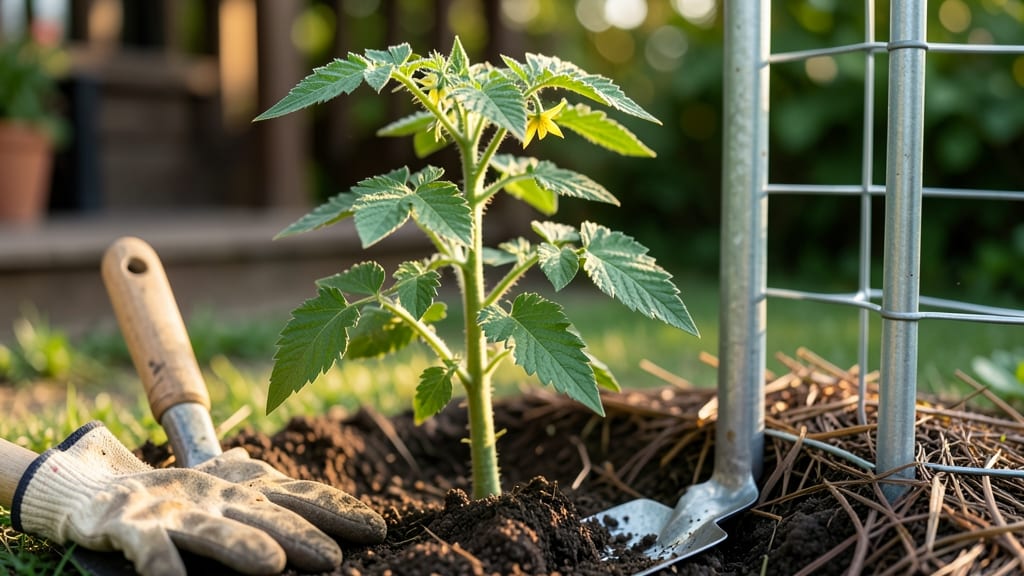
Timing when do you plant tomatoes in Arkansas could make or break your harvest—especially when late frosts linger or summer heat arrives early.
With USDA zones 7a-8b and a frost-free window stretching from mid-March to November, knowing the exact window for seedlings versus seeds is your ticket to a bountiful garden.
Most Arkansas gardeners swear by transplanting 🍅 tomato seedlings between mid-March and early May, once soil warms to 60°F and nighttime temps stay above 50°F.
But if you’re starting seeds directly, April to June offers the safest bet—especially in northern Arkansas where frosts can sneak in until late April.
Here’s the game-changer: Southern Arkansas gardeners in zones 8a-8b can push seedlings into the ground as early as February, while northern zones like 7a should wait until after March 15th—the average last frost date.
Let’s break down the best strategies for your specific region to avoid frost damage and maximize your harvest.
Whether you’re a seasoned gardener or a first-timer, these Arkansas-specific tips will help you plant tomatoes at the perfect moment—so you’re not left with wilted seedlings or empty vines. Ready to get growing?
Arkansas planting zones: exact tomato seedling dates by region (USDA 6b-8a)
Arkansas’ diverse USDA zones (6b-8a) create big differences in last frost dates and planting windows. Northern areas like Fayetteville (Zone 7a) face later springs, while southern spots like El Dorado (Zone 8a) enjoy earlier starts. For zero-frost success, timing is everything—especially with tomatoes, which hate cold soil below 50°F.
Most Arkansas gardeners use transplants (not seeds) for tomatoes, since seedlings need warm soil (60°F+) and consistent warmth (50°F nights). Direct sowing seeds works too, but only after May 1 in most zones. Let’s break down your exact planting deadlines by region.
| Zone & Location | Avg. Last Frost | Transplant Window | Direct Sow Window | Key Notes |
|---|---|---|---|---|
| Zone 6b (Bentonville, Fayetteville) | April 15–20 | April 25–May 10 | May 15–June 1 | Use row covers for late frosts (below 32°F). |
| Zone 7a (Little Rock, Hot Springs) | March 25–April 5 | April 10–May 1 | April 20–May 15 | Soil warms faster; start indoors by March 1. |
| Zone 7b (Russellville, Pine Bluff) | March 15–25 | March 25–April 15 | April 10–May 10 | Humidity spikes in June—choose disease-resistant varieties. |
| Zone 8a (El Dorado, Texarkana) | February 28–March 15 | March 1–April 1 | March 15–April 30 | Longer season—plant successive crops until July. |
For city-specific adjustments, check your local Cooperative Extension office—they track real-time frost data. For example, Fort Smith (Zone 7b) often sees late frosts in April, while Jonesboro (Zone 7a) can plant 2 weeks earlier than Fayetteville.
Always harden off seedlings for 7–10 days before transplanting to avoid shock.
Pro tip: Use a soil thermometer—tomatoes won’t thrive until soil hits 60°F. In cooler zones, black plastic mulch can warm soil by 5–10°F, letting you plant 2 weeks earlier. Pair this with staking or cages to support Arkansas’ heat-loving varieties like ‘Heatmaster’ or ‘Arkansas Traveler’.
Missed the spring window? No problem! Arkansas’ long growing season (210 frost-free days) lets you plant successive crops until July 1 for a fall harvest. Just space seeds 12–18 inches apart and watch for first frost warnings after November 1.
Remember: Nighttime temperatures matter more than daytime highs. Tomatoes need consistent 50°F+ nights to set fruit. If your area gets drops below 40°F, use row covers or cold frames to protect young plants. This is especially critical in Zone 6b, where late frosts can linger into May.
Start seedlings indoors 6–8 weeks before your last frost date for a head start. Use grow lights if natural light is weak, and transplant after soil warms. For direct sowing, wait until soil temperature stays above 60°F for 5+ days—this prevents blossom end rot later.
Arkansas’ humid summers mean fungal diseases like early blight are common. To fight this, water at the base (never overhead) and prune lower leaves for airflow. Pair your planting with mulch to keep soil moist and cool—this is a game-changer for Arkansas gardeners.
🌱
How to adjust tomato planting for Arkansas’ microclimates (high heat, humidity, and late frost risks)
Arkansas’ humid summers and unpredictable late frosts can turn tomato gardening into a high-stakes game. While southern Arkansas enjoys early starts in February, northern zones like Fayetteville often face late frosts until May.
The key? Flexible planting strategies that account for heat spikes, humidity, and frost risks—all while keeping your plants healthy and productive.
If you’ve ever lost seedlings to a 32°F frost in April or watched tomatoes split from sudden summer rains, you’re not alone. Arkansas gardeners must adjust planting times and protection methods based on microclimates.
For example, Little Rock (Zone 7a) can start transplants by March 15, but Bentonville (Zone 6b) should wait until April 1—a 3-week difference that makes all the difference.
To extend your growing season, try these Arkansas-proven hacks:
- Black plastic mulch warms soil by 5–10°F, letting you plant 2 weeks earlier in cooler zones.
- Row covers protect seedlings from late frosts while allowing 6–8 hours of sunlight.
- Drip irrigation keeps soil moist without wetting leaves, reducing fungal risks in Arkansas’ humid climate.
Soil temperature is your #1 priority. Tomatoes won’t thrive below 60°F, and blossom end rot (a common Arkansas issue) often starts when roots struggle in cool, wet soil. Use a soil thermometer—if temps dip below 55°F at night, delay planting or use row covers until conditions improve.
For humidity-prone areas (like Pine Bluff or Jonesboro), prune lower leaves to improve airflow and water at the base (never overhead). Arkansas’ summer heat can also cause sunscald—use shade cloth (30–50%) during peak afternoon sun if temps exceed 95°F.
Pair this with staking or cages to support heat-stressed vines.
Missed the spring window? No problem! Arkansas’ 210 frost-free days allow for successive plantings until July 1. Space seeds 12–18 inches apart, use mulch to retain moisture, and watch for first frost warnings after November 1.
For a fall harvest, plant heat-tolerant varieties like ‘Solar Fire’ or ‘Arkansas Traveler’—they handle late-season heat** better than most.
🌿