
Plants
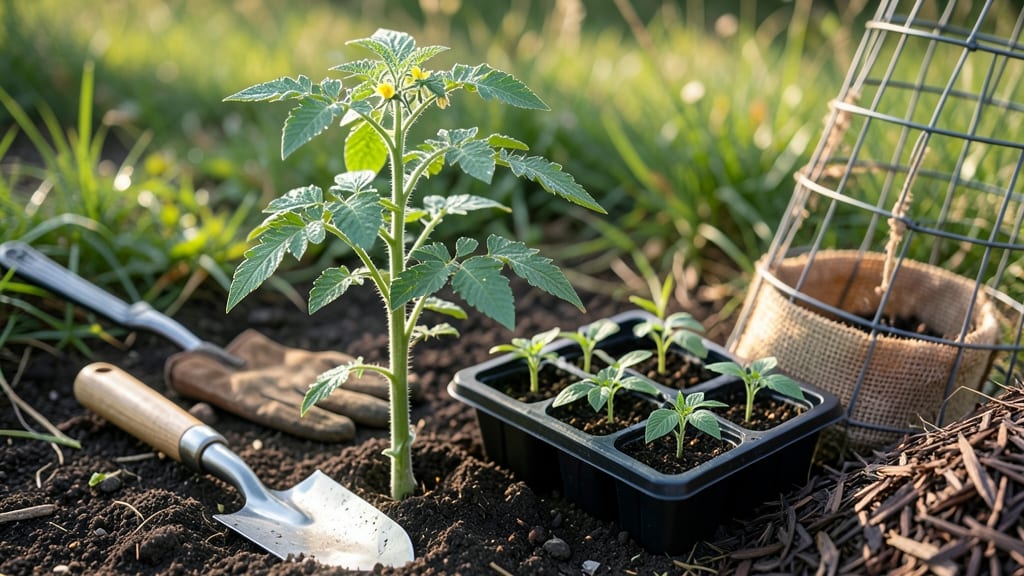
Planting tomatoes in Indiana at the wrong time can mean the difference between a juicy summer harvest and watching your plants wilt in an unexpected frost.
With USDA Zones 5b-6b bringing unpredictable spring weather, knowing the exact window for zero-frost risk is critical—especially when your 🍅 plants need consistent warmth to thrive.
Most gardeners assume "after last frost" means mid-April, but Indiana’s climate throws curveballs. Soil temperatures must reach at least 55°F before transplanting, and nighttime lows should stay above 50°F—or your seedlings will struggle. That’s why timing matters more than you think.
In this guide, I’ll break down the optimal planting windows for both seedlings and direct sowing, plus how to adjust if Mother Nature has other plans. Whether you’re a first-time gardener or a seasoned pro, these tips will help you avoid common mistakes and maximize your harvest.
Let’s dive into the step-by-step timeline that works for Indiana’s unique climate—so you can enjoy homegrown tomatoes from June through October without the stress.
Indiana’s last frost dates by Zone (5 vs. 6) and how they affect tomato planting
Indiana’s USDA Zones 5b and 6b create distinct planting windows for tomatoes, where a single late frost can turn a thriving seedling into a sad, wilted memory.
Zone 5b (northern Indiana) averages its last spring frost around April 15, while Zone 6b (southern Indiana) typically sees frost-free conditions by April 1. But don’t let those dates fool you—historical data shows 10-year variations of ±10 days, so flexibility is key.
For tomatoes, which cannot tolerate temperatures below 50°F, timing isn’t just about frost—it’s about soil temperature. Seedlings need 55°F+ soil to thrive, and nighttime temps must stay above 50°F consistently.
In Zone 5b, this often means waiting until mid-to-late May for direct sowing, while Zone 6b gardeners can start 2-3 weeks earlier.
Here’s the critical rule: Never plant tomatoes outdoors before your average last frost date, but also don’t wait too long—June 1 is the absolute cutoff for most Indiana varieties. Late plantings risk bolting (premature flowering) or stunted growth before harvest.
| Zone | Avg. Last Frost | Safe Planting Window | Soil Temp Requirement | Microclimate Tip |
|---|---|---|---|---|
| Zone 5b (Northern IN) | April 15 | May 1–15 (transplants) | ≥55°F | Use black plastic mulch to warm soil faster |
| Zone 6b (Southern IN) | April 1 | April 15–May 1 (transplants) | ≥55°F | Start seedlings indoors by March 1 for early harvests |
| Both Zones | First Frost | October 15 | N/A | Use row covers to extend season by 2–3 weeks |
Microclimates throw a wrench into these averages. A south-facing slope or urban heat island can push Zone 5b’s frost-free date back by 1–2 weeks, while low-lying areas or northern exposures may delay it.
To check your specific risk, use the Indiana State Climate Office’s frost maps or sign up for local frost alerts from your county extension office.
Pro tip: Test your soil temperature with a soil thermometer (or your finger—if it’s cold to the touch, wait). Tomatoes planted in cold soil suffer from poor root development and blossom drop, even if air temps are warm. Aim for consistent 60°F+ soil for best results.
For gardeners in Zone 5b with early springs, start seedlings indoors by March 1 and transplant by May 1. Zone 6b gardeners can direct-sow after April 15 if using heat-loving varieties like ‘Celebrity’ or ‘Better Boy’.
But remember: Early planting = earlier harvests, but also higher frost risk.
If you’re still unsure, plant a backup batch in late May. Succession planting ensures you’ll have tomatoes by July at the latest, even if Mother Nature throws a curveball.
And always keep row covers or frost cloth on hand—one late frost can wipe out a season’s work.
Indiana’s climate is unpredictable but manageable. By aligning your planting with soil temps, frost data, and microclimates, you’ll turn Zone 5 & 6’s challenges into a tomato harvest goldmine. The key? Start early, stay flexible, and never underestimate a late frost.
5 Proven strategies to extend Indiana’s tomato growing season (avoid early/frost damage)
Indiana’s short growing season (just 180 frost-free days) can leave gardeners racing against time. But with these 5 proven strategies, you can push your tomato harvest 2-4 weeks later—or even start 2 weeks earlier—without frost damage.
The key? Combining season extension tools with frost-resistant varieties and smart planting techniques.
First, cold frames or low tunnels are game-changers. These simple structures raise soil temperatures by 5-10°F and protect plants from light frosts (28-32°F).
I’ve used a DIY cold frame made from Plexiglas and wood to harvest tomatoes in my Zone 5b garden until mid-October—a full 3 weeks longer than uncovered plants.
Row covers (floating fabric tunnels) are another easy win. Lightweight frost cloth (rated for 28°F) lets sunlight through while blocking chilling winds. For late-season plants, I drape covers at dusk and remove them by 10 AM to prevent overheating. Pro tip: Secure edges with bricks or rocks to avoid wind damage.
- ‘Mountain Merit’ – Cold-hardy (tolerates 45°F nights), disease-resistant, and early producer (60 days). My go-to for Zone 5 gardens.
- ‘Stupice’ – A heirloom that thrives in cooler temps and resists blight. Perfect for late-season harvests.
- ‘Celebrity’ – Compact (3 ft tall), heat-tolerant, and consistent producer—ideal for urban gardens or containers.
For early starts, black plastic mulch warms soil 5-8°F faster than bare ground. Lay it down 2-3 weeks before planting to hit that 60°F soil temp threshold critical for tomato roots.
I pair this with straw mulch on top to retain moisture and suppress weeds. Soil thermometers (under $10) are a must—plant only when temps stay above 55°F nightly.
Don’t overlook succession planting. Instead of one big late-May transplant, stagger plantings every 2 weeks through June 15. This ensures a continuous harvest and spreads risk if early frosts strike. I’ve had July-planted ‘Sweet 100’ tomatoes ripen in September—just don’t expect the same yield as spring plants.
Finally, container gardening adds flexibility. Move pots to sunniest spots or garages during heatwaves or cold snaps. Dwarf varieties like ‘Tiny Tim’ thrive in 5-gallon buckets and can be brought indoors if night temps drop below 50°F. Just ensure pots have drainage holes—tomatoes hate soggy roots.