
Plants
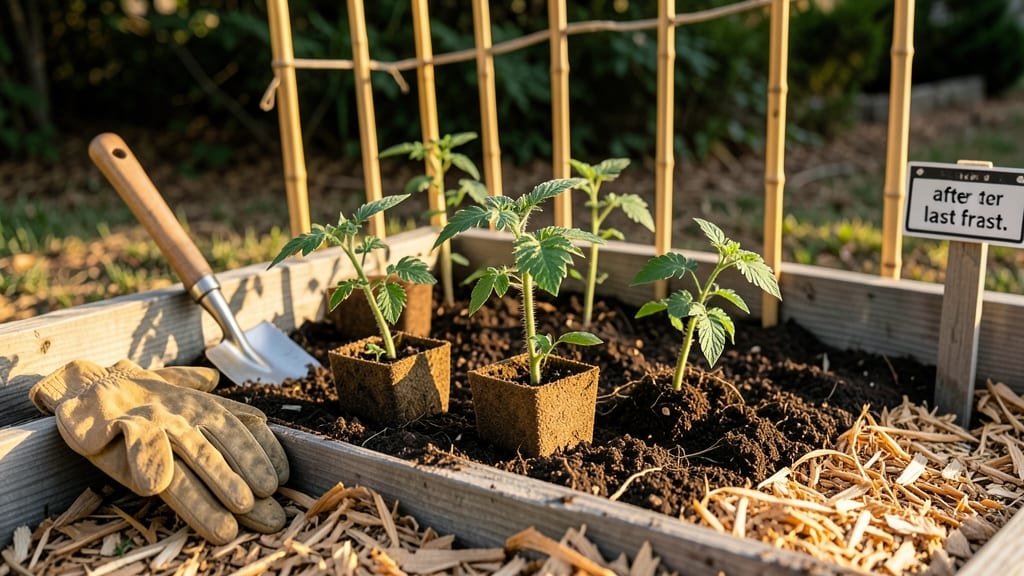
If you're a Missouri gardener wondering when to plant tomatoes in Missouri, timing is everything—and getting it wrong could mean lost harvests.
The perfect planting window in Missouri isn't just about the calendar; it's about understanding your zone, soil temperatures, and those sneaky last frost dates that vary from St. Louis to the Ozarks.
Most gardeners in USDA zones 5b-6b know the ideal time to plant tomatoes falls between April 15 and May 15, but that's just the starting point.
Whether you're starting seeds indoors or transplanting seedlings, the key is waiting until the soil warms to 60°F and the threat of frost has passed—otherwise, your plants could struggle or even die back.
In this guide, I'll break down exactly when to plant tomatoes in Missouri based on your specific zone, plus pro tips for adjusting for unpredictable weather.
You'll learn which varieties thrive in Missouri's short season, how to protect early starts, and when to harvest for maximum flavor—so you can go from seedling to salad bowl with confidence.
Ready to turn your garden into a tomato powerhouse? Let's dive into the zone-specific weeks that will set you up for a bountiful harvest from July through October.
Missouri planting zones: exact weeks to start tomatoes for maximum yield
Missouri’s USDA zones 5b-6b create a 6-week window for planting tomatoes, but timing varies dramatically between northern Missouri and the Bootheel region. In St. Louis (Zone 6a), last frost typically hits April 10-15, while Kansas City (Zone 5b) waits until May 1.
These differences mean your cherry tomatoes in Cape Girardeau may ripen 3 weeks earlier than those in Columbia.
The key to success is soil temperature—tomatoes need 60°F+ soil to thrive. Use a soil thermometer to confirm readiness, especially in Zone 5 areas where cold snaps linger. Black plastic mulch can raise soil temps by 5-10°F, giving you a 2-week head start in cooler zones.
| Zone | Last Frost Date | Plant Transplants | Start Indoors | Harvest Window |
|---|---|---|---|---|
| 5b (North MO) | May 1 | May 15-31 | March 1-15 | Aug-Oct |
| 6a (Central MO) | April 15 | April 20-May 15 | Feb 15-Mar 1 | July-Sept |
| 6b (South MO) | March 20-April 5 | April 1-May 10 | Jan 15-Feb 15 | June-Oct |
🌱 Pro Tip: Use row covers to extend your planting window 2-3 weeks earlier in Zone 5 areas.
For heirloom varieties like Brandywine or Cherokee Purple, aim to transplant 4-6 weeks before your last frost—this gives them time to establish roots before summer heat arrives. Cherry tomatoes like Sweet 100 mature faster (55-65 days), so you can push planting dates 2 weeks later in Zone 5 without sacrificing yield.
Missouri’s microclimates add another layer. Ozark highlands (e.g., Springfield) often experience later frosts due to elevation, while river valleys (like the Mississippi River bottoms) warm up 10-14 days earlier.
Check your local cooperative extension for hyper-local frost data—it can mean the difference between a bountiful harvest and a frost-nipped failure.
Don’t overlook fall planting in Zone 6b areas. If you plant heat-tolerant varieties like Solar Fire or Heatmaster by July 15, you can still harvest tomatoes in September-October before the first frost. Use black plastic mulch and drip irrigation to keep soil temps optimal during these late-season starts.
Soil prep is non-negotiable. Missouri’s clay-heavy soils drain poorly, leading to root rot and blossom end rot.
Amend with compost or aged manure to improve drainage, and add calcium-rich fertilizer (like crushed eggshells) to prevent nutritional deficiencies. Raised beds are a game-changer in Zone 5, as they warm up 2-3 weeks faster than in-ground soil.
If you’re starting seeds indoors, begin 6-8 weeks before transplanting. Zone 5 gardeners should start by February 15, while Zone 6b can wait until March 1.
Use grow lights for 14-16 hours/day to prevent leggy seedlings, and harden off plants for 7-10 days before moving them outside.
Remember: Missouri’s weather is unpredictable. Even if your neighbors plant on April 15, a late frost could strike. Keep row covers or frost cloth on hand to protect young plants. And if heatwaves hit early, provide shade cloth to prevent sunscald on green tomatoes.
With the right timing, your Missouri tomato garden can produce 100+ pounds of fruit per plant—just don’t let frost or heat derail your plans! 🌱
Missouri planting zones: exact weeks to start tomatoes for maximum yield
Missouri spans USDA zones 5b-6b, meaning your last frost dates can vary by 3-4 weeks from northern to southern regions. In zone 5b (northwest MO), you’ll likely wait until May 1 to plant, while zone 6b (southern MO) gardeners can start as early as April 15.
These differences matter because tomatoes need warm soil (60°F+) and consistent warmth to thrive.
For seedlings, aim to transplant 1-2 weeks after your area’s last frost date. If you’re starting seeds indoors, begin them 6-8 weeks before your target transplant date. This ensures they’re strong enough to handle Missouri’s unpredictable spring weather.
For example, St. Louis (zone 6a) gardeners should start seeds around March 15 for a May 1 transplant.
| Zone | Last Frost Date | Transplant Window | Seed Start (Indoors) | Soil Temp Goal |
|---|---|---|---|---|
| 5b (NW MO) | May 1 | May 15-25 | March 15-April 1 | 60°F+ |
| 6a (Central MO) | April 15 | April 25-May 10 | February 28-March 15 | 60°F+ |
| 6b (Southern MO) | April 1 | April 15-25 | February 15-March 1 | 60°F+ |
*Dates are averages; check local frost maps for precision.
Missouri’s microclimates add another layer. For instance, the Ozarks (higher elevation) may experience later frosts than Kansas City, while the Bootheel (southern MO) can be 2-3 weeks ahead. To hedge your bets, use row covers or a cold frame to extend your season by 2-4 weeks if needed.
For heirloom varieties like Brandywine or Cherokee Purple, which take 80+ days to mature, plant on the earlier side of your zone’s window. Cherry tomatoes (e.g., Sweet 100) mature faster (55-65 days), so you can afford to wait until mid-May in cooler zones.
Always check seed packets for days to maturity—this is your golden rule for timing.
Pro tip: Use a soil thermometer to confirm soil temps. Tomatoes won’t thrive in cold soil, even if air temps are warm. If your soil isn’t ready, wait—rushing leads to blossom drop and stunted growth. Patience here pays off with bigger, healthier plants and a longer harvest season.
Missouri’s growing season averages 165 frost-free days, so plan to harvest from July through October. By aligning your planting with your zone’s last frost and soil warmth, you’ll ensure your tomatoes have enough time to ripen fully before the first frost hits in mid-October.