
Plants
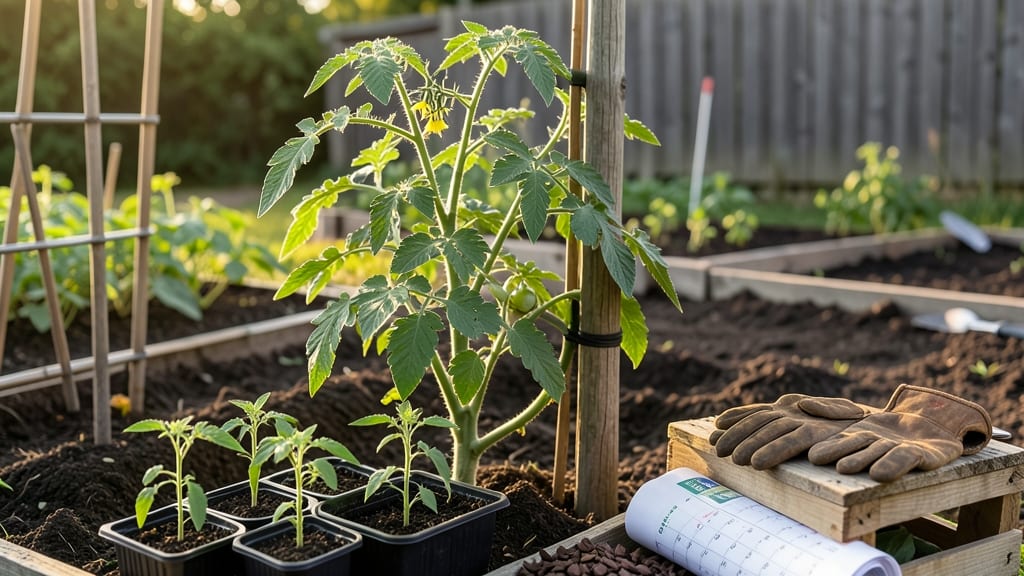
Planting tomatoes in North Carolina at the wrong time can turn your garden dreams into a frost-burned disappointment—especially when those 🍅 plants are just starting to thrive.
The difference between a bountiful harvest and wasted effort often comes down to knowing exactly when to get those seeds in the ground, whether you're in the Piedmont or along the coast.
With USDA zones 7a-8b and unpredictable spring weather, timing is everything. You might think "mid-April" is safe, but frost can still sneak in, while planting too late risks stunted growth before fall's first chill.
The key is understanding your local microclimate and adjusting for soil warmth, not just calendar dates.
I've helped North Carolina gardeners avoid these common mistakes for years, and what works in Raleigh won't always suit Wilmington. Whether you're starting seeds indoors or direct-sowing outdoors, I'll break down the perfect planting windows for your zone—and how to stretch your harvest from June all the way to November.
Ready to grow tomatoes that actually ripen? Let's dive into the exact dates, soil prep secrets, and variety choices that'll have your plants thriving when others fail.
North Carolina tomato planting dates by USDA hardiness Zone (2024 guide)
North Carolina spans USDA Zones 7a-8b, meaning frost dates vary dramatically from the mountains to the coast. In the Piedmont region (Zone 7b), the last frost typically hits around mid-April, while coastal areas (Zone 8a) may see frost-free conditions by early March.
The mountains (Zone 7a) often wait until late April or early May—so check your local Almanac frost dates before planting.
For spring planting, aim to transplant seedlings outdoors 2-3 weeks after your last frost date. This gives young plants time to establish roots before summer heat arrives.
In Zone 8b (coastal NC), you can start as early as mid-February indoors, while Zone 7a (mountains) gardeners should wait until late March for indoor starts.
Here’s how to calculate your personalized planting window:
- Find your last frost date (use the NC State Climate Office maps).
- Subtract 2-3 weeks for safe transplanting.
- Add 10-14 days for seedling growth if starting indoors.
For fall planting, North Carolina gardeners can squeeze in a second harvest by planting late July to early August. Choose determinate varieties (bush types) like ‘Roma’ or ‘Patio’ for quicker maturity. These tomatoes typically ripen by October before the first frost hits in November.
Pro tip: Use black plastic mulch to warm soil faster in early spring or straw mulch in fall to protect roots from temperature swings. In Zone 7a, where nights stay chilly longer, consider row covers for an extra 2-3 weeks of protection.
If you’re in Zone 8b, you can even try a winter harvest with cold-hardy varieties like ‘Siberian’ or ‘Stupice’. These can tolerate brief dips to 28°F and produce fruit in cooler months—just plant in September for a winter-to-spring crop.
Remember: Soil temperature matters more than air temperature. Use a soil thermometer to confirm 60°F+ before planting. Cold soil delays germination and weakens seedlings. If your soil is too cool, wait 1-2 weeks or use heat mats for containers.
For container growing, start seeds 4-6 weeks earlier than outdoor dates since pots heat up faster. Place containers in protected microclimates (like near south-facing walls) to extend the season by 10-14 days.
How to adjust tomato planting dates for early, mid-season, and late varieties
North Carolina's unpredictable spring and fall weather means planting tomatoes at the "right" time isn't one-size-fits-all. The secret to a longer harvest season lies in matching your tomato varieties to staggered planting windows.
Early varieties like 'Early Girl' can handle cooler soils, while heat-lovers like 'Celebrity' need warmer conditions to thrive.
For spring planting, start with cold-tolerant varieties in early April (if using row covers) or wait until mid-April for direct sowing. My go-to early variety is 'Stupice', which can survive light frosts and still produce fruit.
For fall harvests, plant heat-resistant varieties like 'Solar Fire' in late July to avoid summer's scorching heat.
Here's how I adjust planting dates based on variety type to maximize my harvest from June through November:
Plant: Mid-March to early April (under row covers) or late April (direct sow). Best for: Cooler soils and extended spring harvests.
Examples: 'Stupice', 'Mountain Merit', 'Sub-Arctic Plenty'.
Plant: Mid-April to early May (after last frost). Best for: Main harvest season and balanced growth.
Examples: 'Better Boy', 'Brandywine', 'Celebrity'.
Plant: Late July to early August for fall harvest. Best for: Heat tolerance and late-season production.
Examples: 'Solar Fire', 'Heatmaster', 'Creole'.
Plant: March (under cover) or August-September. Best for: Prolonged harvests and unpredictable weather.
Examples: 'Heatmaster', 'Solar Fire', 'Arkansas Traveler'.
Plant new varieties every 2 weeks from April to June for continuous harvests. Use black plastic mulch to warm soil faster and extend the season.
Pro tip: If you're in Zone 7a (like the mountains), aim for late April to early May planting, while coastal Zone 8b gardeners can start as early as mid-March with row covers. Always check your soil temperature—tomatoes need at least 60°F soil to germinate properly.
For a guaranteed harvest, combine early and late varieties with succession planting. I once grew tomatoes from June through October using this method, and the flavor in September was unbeatable. The key is planning ahead and choosing varieties that match your local microclimate.