
Companion Plants
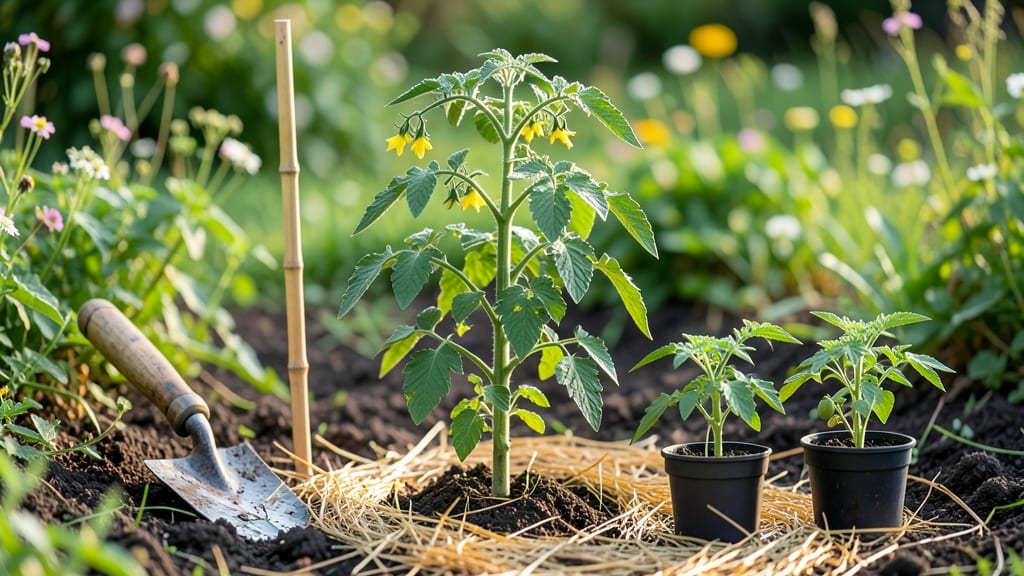
Timing when do you plant tomatoes in Pennsylvania can mean the difference between a garden bursting with juicy 🍅 or a sad, frost-bitten disappointment.
With Pennsylvania’s unpredictable spring weather—where last frost dates can swing wildly from late April in the south to early May in the north—getting it right is everything.
Most gardeners in zones 5b-7a wait until soil temperatures hit 60°F and nighttime lows stay above 50°F, usually between April 15 and May 15. But here’s the catch: rushing too early risks frost damage, while planting too late cuts your harvest short before fall’s first chill.
Whether you’re starting seeds indoors or dropping them directly into the ground, the right window depends on your microclimate—and I’ll show you exactly how to pinpoint it.
Beyond dates, PA gardeners also need to consider variety types—determinate tomatoes for quick harvests or indeterminate vines for all summer long. Plus, local tricks like row covers and succession planting can stretch your season by weeks.
Let’s break down the zone-specific strategies that’ll help you maximize your yield, no matter where you are in the state.
Ready to avoid the most common mistakes that kill tomato plants in PA? From blight-prone soil to deer raids, I’ll walk you through the proven tactics that keep your 🍅 thriving from seed to harvest. Let’s get started.
PA planting zones & ideal tomato transplant dates by last frost
Pennsylvania spans USDA zones 5b through 7a, meaning your tomato planting window can vary by 2-3 weeks depending on where you live.
In zone 5b (northwest PA), gardeners typically wait until May 1 to transplant seedlings, while zone 7a (southeastern PA) gardeners can plant as early as April 15. The key is soil temperature—tomatoes need soil at least 60°F and nighttime temps above 50°F to thrive.
Don’t rely on calendar dates alone! Check your local last frost date using NOAA’s Climate Data tool or your county extension office. For example, Philadelphia (zone 7a) averages its last frost on April 15, while Erie (zone 5b) often sees frost until May 10.
Planting too early risks cold damage or fungal diseases like early blight, which thrives in PA’s damp springs.
🌱
PA Tomato Planting Timeline by Zone
| Zone | Last Frost Date | Transplant Window | Direct Sow Window | Soil Temp Requirement |
|---|---|---|---|---|
| 5b (Erie, State College) | May 10 | May 15–June 1 | June 1–15 | 60°F+ |
| 6a (Harrisburg, Scranton) | April 25 | April 30–May 15 | May 15–June 1 | 60°F+ |
| 6b (Lancaster, Allentown) | April 15 | April 20–May 10 | May 1–15 | 60°F+ |
| 7a (Philadelphia, Pittsburgh suburbs) | April 1 | April 15–May 1 | April 30–May 15 | 60°F+ |
💡 Pro Tip: Use row covers to extend your transplant window by 2 weeks in cooler zones.
If you’re starting seedlings indoors, begin 6-8 weeks before your last frost date. For zone 5b, that means sowing seeds by March 15, while zone 7a gardeners can start as early as February 15.
Harden off seedlings for 7-10 days before transplanting to avoid shock. I always use biodegradable pots to minimize root disturbance when moving them outdoors.
Direct sowing tomatoes is riskier in PA but works for heat-loving varieties like 'Celebrity' or 'Better Boy'. Wait until soil temps hit 70°F—usually late May to early June—to plant seeds ½ inch deep.
Thin seedlings to 18-24 inches apart for indeterminate varieties or 24-36 inches for determinate types. Overcrowding invites diseases like blight, a common issue in PA’s humid summers.
For northern PA gardeners in zones 5-6, consider cold-hardy varieties like 'Mountain Merit' or 'Stupice', which tolerate cooler temps better. These can handle brief dips to 32°F once established, giving you a 2-week head start on the growing season.
Pair them with black plastic mulch to warm the soil faster and suppress weeds.
Always monitor weather forecasts in the days leading up to transplanting. A late frost can devastate young plants, so have row covers or a cold frame ready. I’ve lost entire batches of seedlings to unexpected frosts in early May—don’t let that happen to you!
Use a soil thermometer to confirm temps before planting; below 55°F slows growth significantly.
In southern PA (zone 7a), you can squeeze in two tomato crops: an early spring planting and a late summer succession crop. For the second planting, use fast-maturing varieties like 'Early Girl' (60 days) and plant seeds by July 1 for a fall harvest.
Just be sure to harvest before the first frost, which typically hits October 15 in most of PA.
🌿
How to extend your tomato growing season in PA (early vs late varieties)
Pennsylvania’s short growing season can make tomato lovers feel like they’re racing against time—but with the right strategies, you can enjoy juicy heirloom and hybrid varieties from June until October. The key? Choosing cold-hardy varieties and using season-extending tools like row covers and succession planting.
For gardeners in USDA zones 5b-7a, the difference between a 50-day and 90-day variety can mean the difference between a small harvest and a bountiful yield.
Early varieties like 'Stupice' or 'Mountain Merit' can handle cooler soils and lighter frosts, while late varieties like 'Better Boy' or 'Celebrity' thrive in summer’s heat.
🌱 Pro Tip: Start with transplants instead of seeds for early varieties—they’ll give you a 4-6 week head start on the season. For late varieties, direct sow after Memorial Day to avoid early blight risks.
Extend your season with row covers or cold frames—these can push your harvest window 3-4 weeks later in fall. For example, if you plant 'Early Girl' (65 days to maturity) on May 1st, you’ll harvest by July 15th.
But if you add a row cover and plant 'Brandywine' (80 days) on June 1st, you might still get tomatoes by August 20th.
Succession planting is another game-changer: plant new seedlings every 2 weeks from May through June to ensure a continuous harvest. This works especially well for cherry tomatoes, which mature faster (50-60 days) and can be planted in smaller batches throughout the season.
Don’t forget to monitor your local frost dates—PA’s first frost typically hits October 15th, but microclimates (like urban areas) can delay it by 1-2 weeks. If you’re in zone 7a, you might squeeze in one last late-season variety like 'Sungold' for a September-October harvest.
🌿 Remember: Always harden off transplants before setting them out, and mulch heavily to keep roots warm. With these tricks, you’ll turn PA’s short season into a tomato lover’s paradise!