
Plants
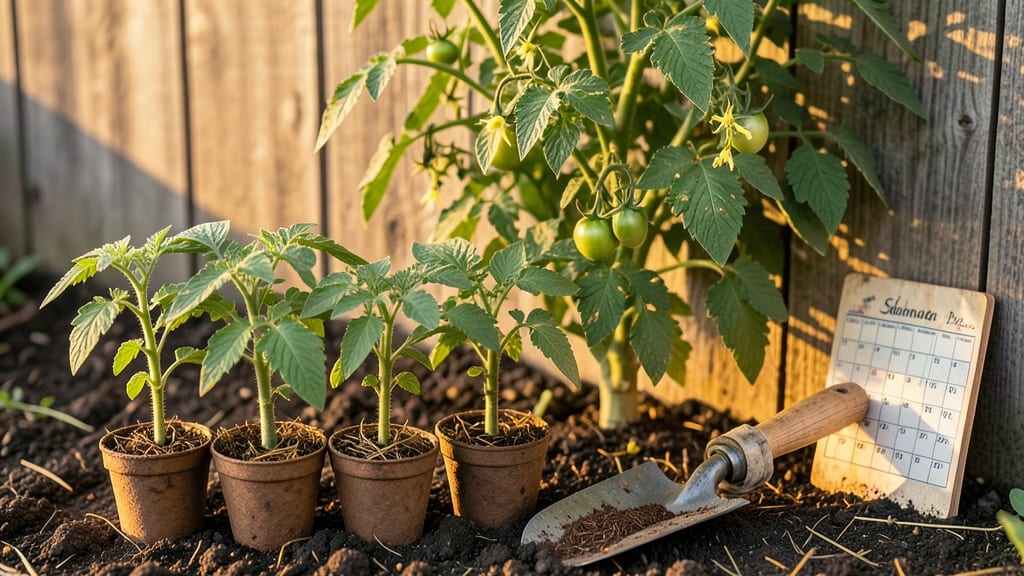
If you’ve ever watched your 🍅 tomato plants wilt overnight after a late frost, you know when do you plant tomatoes in Virginia isn’t forgiving.
The difference between a bountiful harvest and wasted effort often comes down to timing—specifically, when to plant tomatoes in Zone 7a-7b, where frost can linger until mid-April or later.
Most Virginia gardeners wait until April 15–May 15 to plant tomatoes outdoors, but the real secret lies in understanding your microclimate. Urban areas might stay cooler longer, while rural spots warm up faster—soil temperature (not just air temperature) is the game-changer here.
We’ll break down exactly when to start seeds indoors vs. direct-sowing, plus how to protect your plants from Virginia’s unpredictable spring weather.
You’ll also discover which tomato varieties thrive in Virginia’s short but sweet growing season, from early producers like ‘Celebrity’ to heat-tolerant ‘Better Boy.’ Whether you’re a first-time gardener or a seasoned pro, these tips will help you avoid common mistakes and extend your harvest well into October.
Ready to turn your backyard into a tomato haven? Let’s dive into the frost-free timeline and strategies that’ll keep your plants happy—no matter what Mother Nature throws your way.
Virginia’s frost-free timeline: exact dates for planting tomatoes in Zone 7a-7b
Timing your tomato planting in Virginia means balancing last frost dates, soil warmth, and heat waves. Most of the state falls in Zone 7a-7b, where average last frosts range from March 15 to April 15, but late frosts can linger until May 1.
Start planning now—your 60-day tomato varieties need a 180-day frost-free window to thrive.
For direct-sown seeds, wait until soil temps hit 60°F+ (use a soil thermometer) and nighttime lows stay above 50°F. Transplanted seedlings need a 7-day buffer after your final frost date to establish roots.
Urban areas often warm faster than rural spots, so adjust accordingly—city gardens may be ready 1–2 weeks earlier than countryside plots.
Pro tip: Use black plastic mulch or straw bales to warm soil faster—this can shave 1–2 weeks off your planting timeline. Monitor NOAA frost alerts and local extension offices for real-time updates, especially if you’re in Zone 7a (cooler microclimates like the Shenandoah Valley).
If you’re unsure about your last frost date, err on the side of caution. Late May plantings still yield well in Virginia, but you’ll need to choose heat-tolerant varieties like ‘Celebrity’ or ‘Solar Fire’ to avoid blossom drop in summer’s peak heat.
For container gardeners, start seeds 4–6 weeks earlier indoors. Smaller pots dry out faster, so use self-watering containers and move them outside only after nighttime temps stay above 55°F consistently. Urban heat islands can push planting dates 10 days earlier—adjust based on your specific microclimate.
Remember: Soil temperature matters more than air temperature. A crisp 50°F morning can hide warm soil ready for planting. Stick your finger in the dirt—if it’s cool to the touch, wait a few more days. This simple check prevents leggy, stressed seedlings that struggle to recover.
Extend your harvest by planting determinate varieties (like ‘Roma’) in early May and indeterminate types (like ‘Better Boy’) in late May. This 2-week stagger ensures tomatoes ripen over a longer period, giving you fruit from July through October.
Just watch for early blight in humid summers—rotate crops next year to prevent soil-borne diseases.
Finally, mark your calendar for October 1—that’s when first frosts typically arrive in Virginia. Use this as your cue to harvest remaining green tomatoes (they’ll ripen indoors) or protect plants with row covers to squeeze out extra weeks of production.
Tomato varieties that thrive in Virginia’s short season: early vs. mid-season planting
Choosing the right tomato varieties for Virginia’s Zone 7a-7b can mean the difference between a short-lived harvest and a prolonged bounty. Since Virginia’s growing season runs roughly 180–210 frost-free days, selecting early-maturing or heat-tolerant varieties is key.
I’ve grown determinate (bush) and indeterminate (vining) types here, and the right choice depends on your planting timeline and space constraints.
For gardeners who plant in early May, prioritize early-maturing varieties like ‘Celebrity’ (65–70 days) or ‘Early Girl’ (50–55 days). These determinate types produce fruit quickly and handle Virginia’s humid summers better than slower varieties.
If you’re planting in late April or using row covers, consider mid-season varieties like ‘Better Boy’ (75–80 days) or ‘Brandywine’ (80–85 days) for larger yields.
Indeterminate varieties like ‘Sungold’ (60–65 days) or ‘Cherokee Purple’ (75–80 days) are my go-tos for extended harvests—they keep producing until frost, but they need stakes or cages and more space. The trade-off? A longer season with continuous fruit instead of one big flush.
| Variety | Type | Days to Harvest | Best Planting Time | Notes |
|---|---|---|---|---|
| Celebrity | Determinate | 65–70 | Early May | Heat-tolerant, great for canning |
| Sungold | Indeterminate | 60–65 | Late April–May | Sweet, needs support |
| Better Boy | td style="padding: 10px; border-bottom: 1px solid #4a7c72;">Indeterminate75–80 | Late April | Large fruit, needs staking | |
| Tiny Tim | Determinate | 55–60 | Early May | Dwarf, perfect for containers |
| Cherokee Purple | Indeterminate | 75–80 | Late April | Heirloom, rich flavor |
Staggered planting is another trick I use to extend harvests. Plant early varieties in late April, then mid-season types 2–3 weeks later. This ensures you’re picking tomatoes from July through October, even in Virginia’s shorter seasons.
For example, ‘Early Girl’ might give you fruit by mid-July, while ‘Better Boy’ keeps producing until September or October.
If you’re short on space, determinate varieties like ‘Roma’ or ‘Patio Princess’ are ideal—they stay compact and produce all at once, which is great for sauces and canning. But if you love fresh slicing tomatoes all season, indeterminate types are worth the extra care.
Just remember: soil temperature and frost dates still dictate your planting window, no matter the variety.
Pro tip: Save seeds from your favorite varieties to adapt to Virginia’s climate over time. Local seed swaps are a great way to find region-specific winners that thrive in our heat and humidity.