
Plants
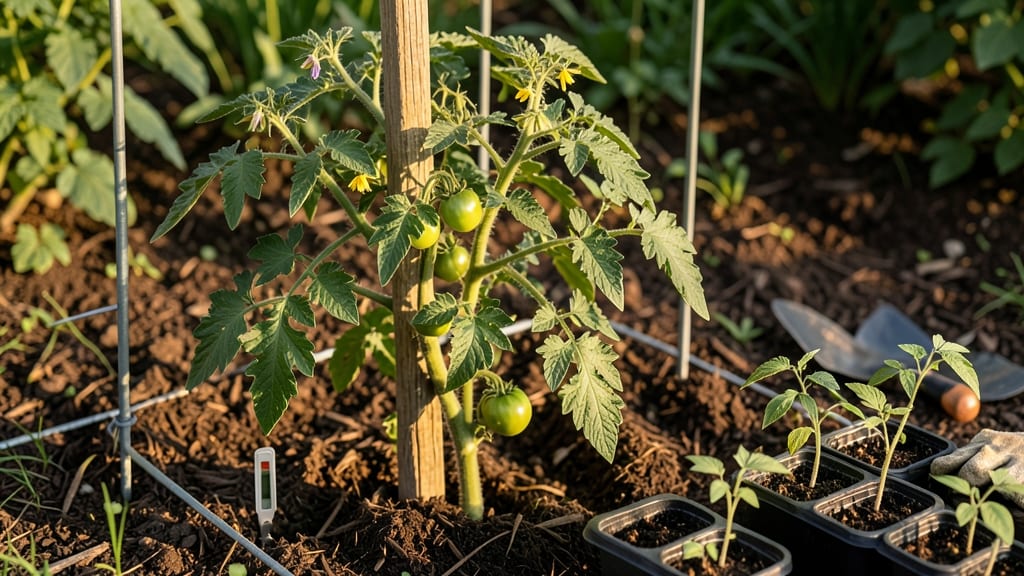
When do you plant tomatoes in Washington State? Timing isn’t just about the calendar—it’s about outsmarting the region’s fickle weather. One week too early, and a late frost could wipe out your seedlings; too late, and you’ll miss the sweet spot for a bountiful harvest. With USDA zones ranging from 6b in Eastern WA to 8b on the coast, knowing the exact window is the difference between a thriving garden and a gamble.
Most gardeners in Washington wait until mid-April to early June to plant tomatoes, but that’s just the starting point. The real secret lies in tracking soil temperatures—your tomatoes won’t thrive until the ground warms to at least 60°F.
In Seattle, that might mean waiting until late May, while Spokane gardeners can often plant by early May. Microclimates play a huge role, too: urban areas stay warmer than rural spots, and elevation changes everything.
If you’re planting seeds indoors, you can get a head start in March, but transplanting outdoors too soon is a common mistake. Cold-hardy varieties like ‘Mountain Merit’ or ‘Stupice’ can handle cooler soils better, but even they need protection until nighttime temperatures stay above 50°F.
Row covers and black plastic mulch are your best friends for extending the season—especially in zones like 6b, where frost can linger well into May.
Ready to avoid the guesswork? I’ll walk you through the exact planting dates for your zone, the best varieties for Washington’s climate, and pro tips to shield your plants from late frosts. Let’s turn your tomato dreams into a guaranteed harvest—no matter where you garden in the Evergreen State.
Washington State tomato planting dates by USDA Zone (with frost risk maps)
Washington State’s USDA Zones 6b-8b create a patchwork of planting windows, where Seattle’s mild coastal climate (Zone 8b) allows early starts, while Spokane’s inland chill (Zone 6b) demands patience. The key? Soil temperature must hit 55°F+ and nighttime temps stay above 50°F—or your seedlings will sulk.
I’ve planted tomatoes in both zones and learned the hard way: rushing leads to frostbite.
Use these regional planting windows as your guide, but always check local frost forecasts (like the NOAA’s Western Region Climate Center) before digging in. For example, Western WA (Zones 7-8) can start indoor seedlings in March, while Eastern WA (Zones 4-6) waits until mid-April.
Microclimates matter too—urban heat islands in cities like Tacoma can push planting dates 1-2 weeks earlier than rural areas.
Here’s your zone-by-zone breakdown, including last frost dates and soil warming tricks to outsmart WA’s fickle spring:
| USDA Zone | Last Frost Date | Planting Window (Outdoor) | Soil Temp Threshold | Pro Tip |
|---|---|---|---|---|
| 4-5 (Eastern WA: Spokane, Wenatchee) | May 1–15 | Late May–early June | 60°F+ | Use black plastic mulch to warm soil 2–3°F faster. |
| 6a-6b (Central WA: Yakima, Wenatchee Valley) | April 15–May 1 | Mid-April–early May | 55°F+ | Start indoor seedlings in March for a head start. |
| 7a-7b (Western WA: Olympia, Portland) | March 15–April 1 | Early April–mid-May | 50°F+ | Plant cold-hardy varieties like ‘Stupice’ 2 weeks earlier. |
| 8a-8b (Puget Sound: Seattle, Bellingham) | February 15–March 15 | Mid-March–early April | 45°F+ | Extend season with row covers until May 15. |
Pro tip: Soil temperature is more critical than air temperature. Use a soil thermometer ($10 at garden centers) to confirm readiness.
In Zone 6b, I’ve seen 50°F air temps with 40°F soil—enough to stall seedlings for weeks. Black plastic mulch or straw bales can add 5–10°F to soil warmth, letting you plant 1–2 weeks earlier.
For urban gardeners, microclimates near south-facing walls or paved areas can create mini heat islands, pushing planting dates 10–14 days earlier. Test your spot by placing a thermometer in a jar of water overnight—if temps dip below 45°F, delay planting or use row covers.
If you’re starting seeds indoors, begin 6–8 weeks before your last frost date. For Zone 8b (Seattle), that’s mid-January; for Zone 6b (Spokane), wait until early March. Use grow lights to avoid leggy seedlings, and harden off plants for 7–10 days before transplanting.
Remember: Tomatoes hate cold feet. Even cold-hardy varieties will struggle if soil temps drop below 50°F. In Eastern WA, I’ve lost entire $200 worth of seedlings by planting too soon—don’t make my mistake. Use these dates as a starting
Best cold-hardy tomato varieties for Washington’s unpredictable springs
Washington’s cool springs and late frosts demand tomato varieties that tolerate chilly soils and temperature swings. Traditional heat-loving varieties like Sungold or Beefsteak often struggle, but these cold-resistant options thrive in WA’s climate. I’ve grown Mountain Merit for years—it’s my go-to for its early maturity and frost tolerance.
For urban gardeners with limited space, ‘Patio’ or ‘Tiny Tim’ dwarf varieties produce abundant fruit without sprawling vines. These compact plants also handle cooler nights better than their taller counterparts. If you’re in Zone 6b (like Spokane), these are non-negotiable for a reliable harvest.
🌱
Cold-Hardy Tomato Varieties for WA
Mountain Merit
- ✔ Frost-resistant (tolerates 28°F)
- ✔ Early producer (55 days)
- ✔ Disease-resistant (Verticillium)
- ✖ Smaller fruit (1.5–2 inches)
- ✖ Needs staking for support
Stupice
- ✔ Extreme cold tolerance (survives 25°F)
- ✔ Heirloom flavor (sweet, rich)
- ✔ Compact growth (3–4 ft)
- ✖ Slow to mature (70+ days)
- ✖ Low yield per plant
Glacier
- ✔ Cold-soil starter (germinates at 50°F)
- ✔ Disease-resistant (Fusarium)
- ✔ Great for containers
- ✖ Prolonged harvest (not ideal for quick yields)
- ✖ Mild flavor compared to heirlooms
If you’re in Zone 8b (like Seattle), you can push the envelope with ‘Early Girl’ or ‘Better Boy’, but always use row covers for the first 2–3 weeks to protect against late-May frosts.
I’ve seen 10°F dips in June—yes, really! For container gardening, ‘Tiny Tim’ is unbeatable; it produces hundreds of 1-inch tomatoes in a 5-gallon pot.
Pro tip: Pair cold-hardy varieties with black plastic mulch to warm the soil faster. In my Zone 7 garden, this shaves 1–2 weeks off the growing season. Just
For flavor enthusiasts, ‘Cherokee Purple’ is worth the gamble—it’s sweeter after frost exposure, but only plant it after May 15 in most of WA. Balance risk with reward by starting 3–4 plants of a cold-hardy variety alongside your experimental picks.