
Plants
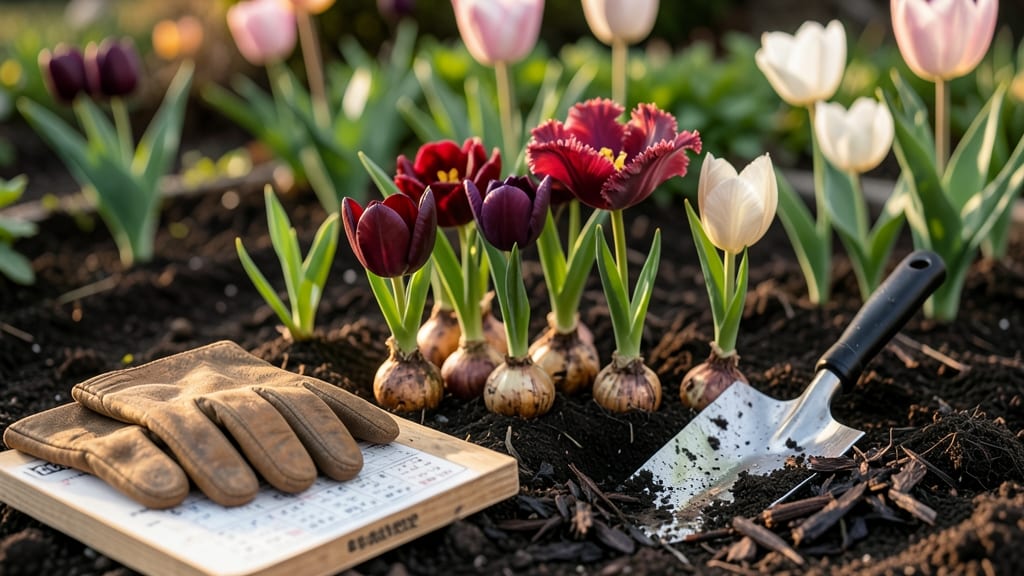
Planting tulips in North Carolina isn't just about dropping bulbs in the ground—it's about timing them perfectly to survive the state's unpredictable winters and reward you with showstopping spring blooms. Get it wrong, and you might as well flush those bulbs down the toilet.
But nail the 4-6 week frost window, and you'll be the envy of your neighborhood when those 🌷 pop up next April.
Here's the secret: North Carolina's USDA zones 6b-8a mean your planting window can shift from early October in the mountains to late November near the coast. Too early, and your bulbs rot; too late, and frost zaps them before they root.
I'll break down exactly when to plant in your specific corner of the state—no guesswork, just science-backed timing.
We're talking soil temperatures, frost dates, and even microclimates that can make a 3-week difference in your success. Whether you're in the Piedmont's rolling hills or the Coastal Plain's milder zones, this guide ensures your tulips get the head start they need to push through winter and bloom like champions.
Ready to turn your yard into a springtime masterpiece? Let's dive into the exact schedule, soil prep tricks, and pro tips that'll have your tulips thriving from bulb to bloom—no matter where in North Carolina you garden.
North Carolina frost timing: exact weeks before planting tulip bulbs
North Carolina’s USDA Zones 7a-8b create a unique challenge for tulip growers—winters can be mild in the Coastal Plain but harsh in the Mountains. To guarantee your bulbs survive and bloom, plant them 4-6 weeks before the first hard frost.
For most of NC, this means mid-October to early December, but your exact timing depends on your microclimate.
In Zone 7a (Mountains), where frosts arrive earlier, aim for late September to mid-October. Meanwhile, Zone 8b (Coastal Plain) gardeners have until early December. Check your local first frost date using the Old Farmer’s Almanac or your NC State Extension office for precise guidance.
Here’s the key rule: Tulip bulbs need 12-16 weeks of cold (40°F or below) to bloom properly. Planting too early (like August) risks premature sprouting and weak roots, while planting too late (after December) may leave bulbs vulnerable to freeze-thaw cycles or rodent damage.
| Region | USDA Zone | Ideal Planting Window | First Frost Date |
|---|---|---|---|
| Mountains (Asheville) | 7a | Late Sept–Mid Oct | Nov 10–15 |
| Piedmont (Raleigh) | 7b | Mid Oct–Early Nov | Nov 15–20 |
| Coastal Plain (Wilmington) | 8a | Late Oct–Early Dec | Dec 1–10 |
For 2024 planting, use the National Weather Service’s frost predictions or your county’s agricultural extension service for real-time adjustments. If you’re unsure, err on the earlier side—tulips planted in October often outperform those planted in November or December.
Pro tip: Soil temperature matters just as much as air temperature. Tulip bulbs should go into 50–60°F soil for optimal root growth. Use a soil thermometer to check—if it’s above 60°F, wait a few days before planting.
In Zone 8b (Coastal NC), where mild winters are common, you might even get away with planting in early January, but this is risky. Bulbs planted this late may not establish strong roots before spring growth begins, leading to weak stems and fewer blooms.
Remember: Tulips are not winter-hardy like daffodils—they rely on cold dormancy to trigger flowering. If you miss the window, consider container planting and moving pots to a sheltered spot or garage during extreme cold snaps.
For maximum blooms, pair your planting with a layer of mulch (3–4 inches) after the ground freezes. This insulates bulbs from temperature swings and keeps them moist until spring. Just remove the mulch in early spring to prevent rot.
🌷
North Carolina frost timing: exact weeks before planting tulip bulbs
North Carolina’s USDA Zones 6b-8a create a 3-week difference in tulip planting windows—from the Piedmont’s cooler elevations to the Coastal Plain’s milder microclimates. The golden rule? Plant 4-6 weeks before the ground freezes, when soil temps hit 50-60°F.
Miss this window, and your bulbs won’t root deeply enough to survive winter’s chill.
For most of NC, that means mid-October to early November—but check your local first frost date (typically late October to mid-November). Use the Almanac’s Frost Calculator for your exact zip code, or bookmark the NC State Climate Office for real-time updates.
Remember: Mountain regions (Zone 6b) need bulbs in the ground by early October, while Coastal areas (Zone 8a) can wait until mid-November.
Pro tip: Use a soil thermometer to confirm temps—50°F is the magic number for root growth. If your soil is warmer than 65°F when planting, bulbs may sprout too early and get fried by late-season heat.
For late plantings, choose hardy varieties like ‘Ice Follies’ or ‘Darwin Hybrid’ tulips, which handle NC’s unpredictable winters better than delicate species.
Don’t overlook microclimates—a south-facing slope warms faster than a north-facing yard, potentially shifting your planting window by 1-2 weeks. Observe where frost lingers longest in your garden, and plant those areas first.
For container growers, use black plastic pots to absorb heat and extend your window by 7-10 days.
Once you’ve nailed the timing, mulch heavily (3-4 inches of straw or leaves) to insulate bulbs through winter. This 30% insulation boost can mean the difference between 🌷 blooms and 🌱 sad stalks next spring.
The key? Plant early enough to root, but not so early they rot—balance is everything in NC’s climate.