
Plants
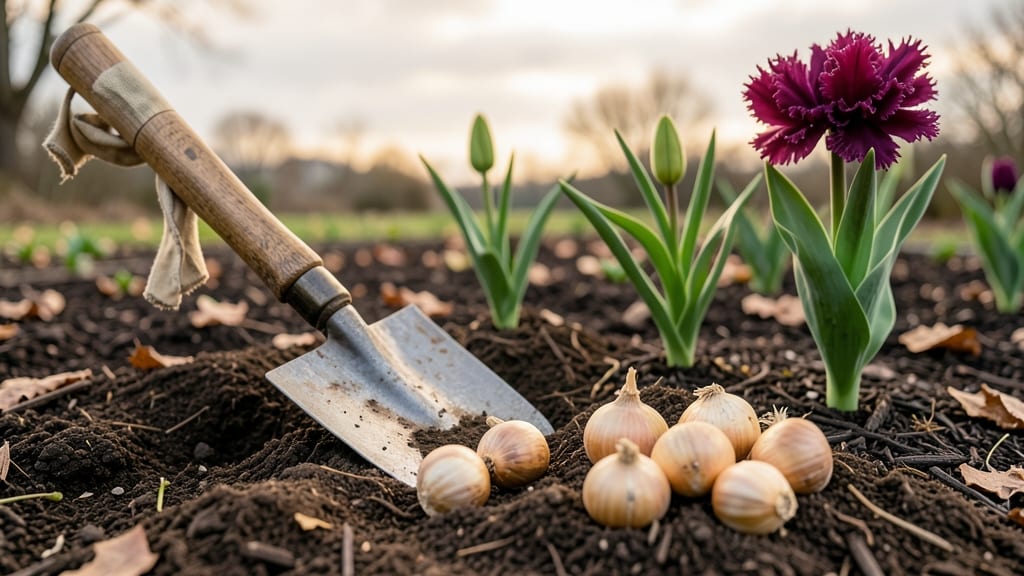
Timing your 🌷 tulip planting in Ohio can mean the difference between a vibrant spring garden and wasted bulbs. Ohio’s 6a zone demands precision—plant too early, and bulbs rot; too late, and frost steals your blooms.
The secret lies in knowing exactly when to tuck those bulbs into the soil, typically 6-8 weeks before the first frost, which usually lands in October or early November.
Why does this matter? Because tulips need time to establish roots before winter sets in. In Ohio’s climate, where temperatures can swing wildly, getting the timing right ensures your bulbs survive the cold and burst into color next spring.
I’ll walk you through the exact weeks to plant, soil prep tips, and how to adjust for Ohio’s unpredictable weather—so you can avoid common mistakes and enjoy a showstopping display.
Most gardeners in Ohio focus on October as the prime window, but what if your frost comes early? Or if you’re in a slightly warmer microclimate?
I’ll break down how to read your local frost dates, prep your soil for success, and even cover the best tulip varieties that thrive in Ohio’s conditions. Let’s get those bulbs in the ground at the perfect moment—so you’re rewarded with bold blooms come April.
Don’t let uncertainty hold you back. With the right timing and a little preparation, your tulips will not only survive Ohio’s winters but thrive. Whether you’re a first-time planter or a seasoned gardener, these insights will help you nail the planting window every time. Ready to dig in?
Ohio tulip planting timeline: exact weeks before first frost for each zone
Ohio’s USDA hardiness zones 5-7 create a 6-8 week window for planting tulip bulbs before the first frost. The goal is to plant when soil temperatures drop to 40-50°F—this ensures roots establish before winter dormancy.
In northern Ohio (zone 5), aim for mid-October, while southern Ohio (zone 7) can wait until early November. Miss this window, and your bulbs risk rotting if planted too early or failing to bloom if planted too late.
Most of Ohio experiences its first frost between October 15 and November 1, but exact dates vary by year. For example, Columbus (zone 6a) averages a frost date around October 25, while Cleveland (zone 6b) tends to see frost slightly earlier.
Planting 6-8 weeks before frost gives bulbs time to root deeply—critical for surviving Ohio’s freeze-thaw cycles and heavy snowfall.
Here’s the golden rule: Plant tulips in Ohio between mid-October and early November. This aligns with soil temperatures dropping to 50°F or lower and ensures bulbs are firmly rooted before the ground freezes. Use a soil thermometer to confirm—if temps are above 50°F, wait a few days.
If you’re in zone 5 or 6a, start planting as early as mid-October—this gives bulbs time to root before the ground freezes. For zone 7, early November is ideal.
Pro tip: Check the Old Farmer’s Almanac for your local frost date forecast. In Ohio, late October is the sweet spot for most gardeners, balancing frost risk and soil conditions.
One common mistake is planting tulips in spring. While some bulbs tolerate it, Ohio’s hot summers can cause them to bolt (shoot up too fast) or fail to bloom. Spring-planted tulips may also rot in warm soil. Stick to fall planting for reliable blooms next spring.
For container-grown tulips, follow the same timeline but use well-draining pots and plant bulbs 6 inches deep. In containers, bulbs warm up faster, so monitor soil temps closely.
If you’re in a microclimate (e.g., near a lake or urban heat island), plant 2 weeks earlier than the zone average to avoid overheating.
After planting, mulch with 2-3 inches of straw or shredded leaves to insulate bulbs from freeze-thaw cycles. This is especially critical in Ohio, where temperatures can swing from 30°F to 50°F in a single week. Mulch also prevents soil heaving, which can expose bulbs to cold air.
Remember: Tulip bulbs need cold to bloom. Ohio’s winters provide the perfect vernalization (cold treatment) for tulips. If you’re in a mild-winter zone (like southern Ohio), consider chilling bulbs in the fridge for 8-12 weeks before planting to mimic winter conditions.
Finally, mark your planting date and frost date on a calendar. Ohio’s weather is unpredictable, so having a backup plan—like a soil thermometer or <
Ohio tulip planting timeline: exact weeks before first frost for each zone
Ohio spans USDA zones 5-7, and each zone has its own ideal tulip planting window—typically 6-8 weeks before the first frost. For most of Ohio, this means planting between mid-October and early November, but exact timing depends on where you live.
In northern Ohio (zone 5), you’ll want to plant by late October to avoid early freezes, while southern Ohio (zone 7) gardeners can wait until early November.
The key is ensuring your soil stays cool (40-50°F) and moist but not frozen when you plant. Tulip bulbs need time to establish roots before winter dormancy, so rushing or delaying can lead to poor blooms—or worse, rotting bulbs.
I’ve seen too many gardeners skip this step and end up with no tulips the following spring.
Here’s a quick guide to Ohio’s frost dates and planting windows by zone, so you can plan with confidence:
| Zone | Avg. First Frost | Planting Window | Soil Temp Goal |
|---|---|---|---|
| 5 (Northern OH) | October 15-20 | October 1-15 | 40-50°F |
| 6a (Central OH) | October 25-November 1 | October 15-November 1 | 40-50°F |
| 7 (Southern OH) | November 5-10 | October 30-November 10 | 40-50°F |
Pro tip: Use a soil thermometer to check temperatures before planting. If your soil is still above 50°F, wait a few days—warm soil can cause bulbs to sprout too early and get damaged by frost. I always test mine in the late afternoon for the most accurate reading.
Once you’ve nailed the timing, focus on well-draining soil and full sun (6+ hours daily). Ohio’s clay-heavy soils can trap moisture, so amend with compost or sand if needed. Plant bulbs 6-8 inches deep and 4-6 inches apart—this gives roots room to grow without crowding.
After planting, mulch with 2-3 inches of straw or leaves to insulate bulbs from temperature swings. This simple step can mean the difference between bold blooms next spring and bulbs that struggle to survive. Trust me, I’ve seen both outcomes firsthand!