
Vegetables
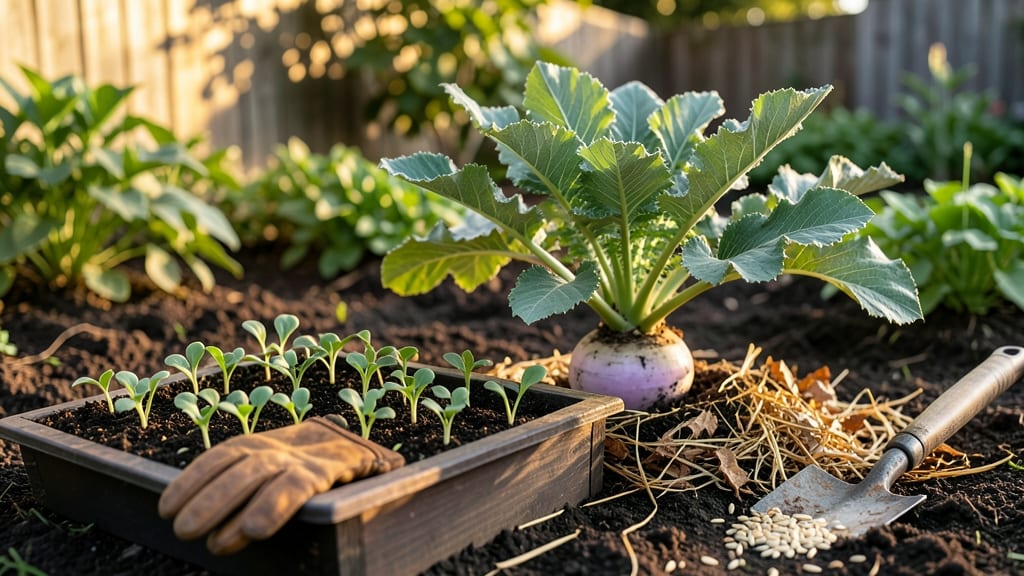
If you've ever wondered "when do you plant turnips in the fall", timing is the secret weapon that separates a bountiful harvest from a bitter disappointment. 🥕 The key lies in planting 4-6 weeks before your first frost, giving these hardy roots just enough time to mature before winter sets in.
For gardeners in USDA Zone 6a (like me!), that means aiming for early September—just right to beat the chill while still enjoying warm soil. Plant too early, and your turnips may bolt before reaching their prime; too late, and frost will turn them woody or rot them in the ground.
Don't worry if you missed the ideal window—some turnip varieties actually sweeten with frost, making them even more delicious when harvested after a light freeze. I’ll show you which cold-hardy types to choose and how to adjust your planting schedule based on your local climate.
Ready to grow turnips that taste like autumn itself? Let’s dive into the exact steps to time your planting, prep your soil, and avoid common pitfalls—so you can enjoy homegrown goodness all season long.
Fall turnip planting timeline by USDA hardiness zones
Timing your fall turnip planting correctly means the difference between a bountiful harvest and wasted seeds. Since turnips thrive in cool weather but can't survive hard freezes, you'll want to plant them 4-6 weeks before your first frost date.
This window ensures they mature before winter sets in—but not so early that they bolt in the heat.
Your USDA Hardiness Zone dictates the exact dates. For example, gardeners in Zone 3 (like Minnesota) should plant by early August, while those in Zone 9 (like Southern California) can wait until mid-October.
The key is to avoid planting when nighttime temps dip below 40°F (4°C), as this stresses young seedlings.
Here’s how to adjust your planting schedule based on your zone:
| Zone | Planting Window | First Frost Date | Days to Maturity | Notes |
|---|---|---|---|---|
| 2-4 | Mid-July to early August | Late September to early October | 50-60 days | Use fast-maturing varieties (e.g., 'Tokyo Cross'). |
| 5-7 | Late July to mid-August | Mid-October | 55-65 days | Ideal for storage varieties like 'Purple Top White Globe'. |
| 8-10 | Early to mid-September | Late November to early December | 60-70 days | Extend season with row covers or cold frames. |
If you’re unsure about your first frost date, check the National Weather Service or your local cooperative extension service. Pro tip: Plant a test row 2 weeks before your target date to gauge how your soil and microclimate respond.
For northern climates (Zones 2-4), consider a successive planting strategy: sow seeds every 2 weeks until early September. This staggered approach ensures a steady supply of turnips before winter sets in.
In warmer zones (Zones 8-10), you might even get a second harvest in early spring if you plant in late fall.
One common mistake is planting too late. If you miss your window, turnips may not mature before hard freezes, leaving you with bitter, woody roots. To avoid this, mark your calendar 6 weeks before your first frost and set a reminder—trust me, your future self will thank you!
For container gardeners, fall planting works too! Just use 5-gallon pots and place them in a protected spot (like near a south-facing wall) to extend the season. Add a thick layer of mulch around the base to insulate roots from temperature swings.
Finally, keep an eye on your local weather forecasts. A sudden early frost can derail your plans, so have a row cover or cold frame ready to shield young plants if needed.
With the right timing, your fall turnips will reward you with sweet, frost-enhanced roots that taste better than any store-bought variety.
Fall turnip planting timeline by USDA hardiness zones
Timing your turnip planting in fall depends entirely on your USDA hardiness zone and your local first frost date. In my Zone 6a garden, I aim to plant by early September, but gardeners in warmer zones like Zone 9-10 can push it to October.
The golden rule? Plant 4-6 weeks before frost—this ensures roots mature before winter sets in.
Turnips thrive when soil temps stay above 45°F (7°C), so avoid planting when nights dip below freezing. In colder zones (Zone 2-5), start seeds indoors 6-8 weeks before transplanting to extend your growing season.
I’ve learned the hard way that rushing fall plantings often leads to bolting or stunted growth!
🌱 Did You Know? Some turnip varieties actually sweeten with frost, making them perfect for late fall harvests. This is why I always include at least one cold-hardy variety in my autumn garden.
| USDA Zone | Planting Window | Frost Threshold | Adjustments |
|---|---|---|---|
| Zones 2-4 | Mid-July to early August | First frost: late Sept-Oct | Start indoors; use row covers |
| Zones 5-6 | Late July to early Sept | First frost: mid-Oct | Direct sow; mulch for warmth |
| Zones 7-8 | August to mid-Sept | First frost: late Nov | Plant late; extend with cold frames |
| Zones 9-10 | Sept-Oct | Minimal frost risk | Plant until Nov; harvest before cold snaps |
For precise timing, check your local frost dates using the National Weather Service or a frost calendar. I always add a 2-week buffer to account for unexpected cold snaps. If you’re unsure, opt for fast-maturing varieties (like 'Tokyo Cross') to guarantee a harvest before winter.
Another pro tip? Plant turnips in succession every 2 weeks during your fall window. This staggered approach ensures a continuous harvest and reduces the risk of losing your entire crop to a sudden freeze. I’ve found this method works beautifully in my raised beds!
Lastly, don’t forget that soil temperature matters just as much as air temperature. Use a soil thermometer to confirm temps are above 50°F (10°C) before planting. Cold soil slows germination, and nobody wants to wait weeks for those first green shoots! ☀️