
Plants
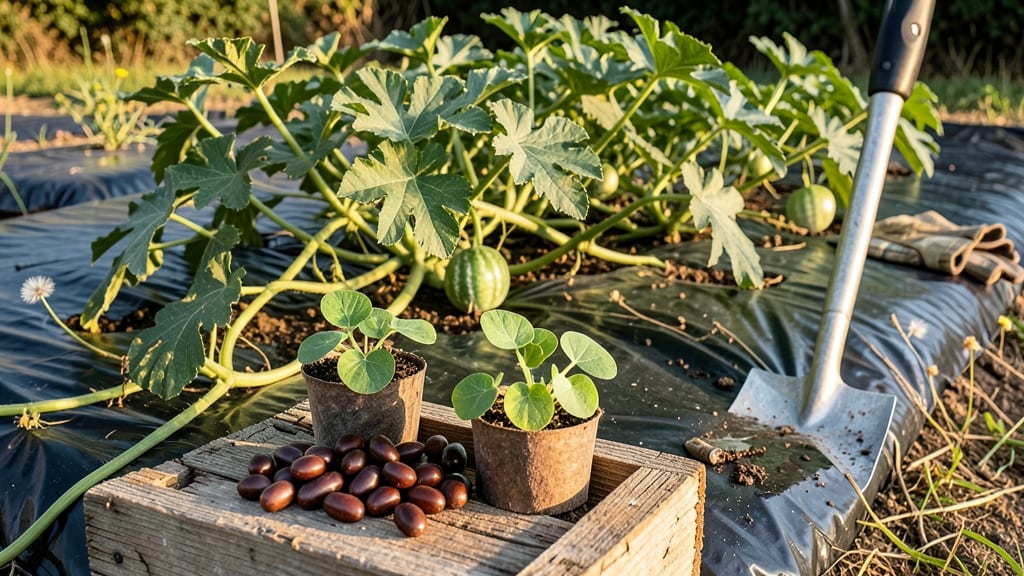
Planting watermelons in Georgia at the wrong time can turn your summer dreams of sweet, ripe 🍉 into a sad, wilted vine—so getting the frost-free schedule right is everything.
With Georgia’s 7b-8b climate and 210 frost-free days, you’ve got a prime window to grow watermelons that burst with flavor. But timing is critical: plant too early, and a late frost will kill your seedlings; too late, and you’ll miss the 70-90 day harvest window before fall cools down.
I’ve grown watermelons here for years, and the key is starting seeds after mid-April—when soil hits at least 70°F—or transplanting hardened-off seedlings by early June. This ensures fast germination and a harvest just in time for summer picnics.
Ready to turn your garden into a watermelon patch? Let’s break down the exact planting dates, soil prep, and pro tips to guarantee a bountiful harvest—no guesswork, just sweet success.
Georgia watermelon planting dates by frost Zone: avoid early freeze risks
Timing your watermelon planting in Georgia hinges on two critical factors: last frost dates and soil temperature. Since Georgia spans USDA Zones 7a-8b, your exact window varies slightly—typically mid-April to early June.
Plant too early, and a late frost will kill tender seedlings; too late, and your 70-90 day harvest window shrinks.
For fast germination, wait until the soil reaches at least 70°F (21°C). In most of Georgia, this aligns with late April to early May, but northern regions (like Zone 7a) may need to wait until mid-May.
Always check your local frost-free date—Atlanta’s average last frost is March 15th, but mountains like Blue Ridge can delay planting by weeks.
⚠️ CRITICAL: Watermelons hate cold soil. If you plant before the ground warms, seeds rot in the soil. Use a soil thermometer to confirm readiness—70°F+ is non-negotiable for germination.
Here’s how Georgia’s frost zones break down for ideal planting windows, including soil prep tips to speed up warming:
| Zone | Last Frost Date | Planting Window | Soil Temp Requirement | Action |
|---|---|---|---|---|
| 7a (North GA) | March 15–April 1 | Mid-May to early June | 70–75°F (21–24°C) | Use black plastic mulch to warm soil faster |
| 7b (Central GA) | March 1–March 15 | Late April to mid-May | 70–75°F (21–24°C) | Plant after April 15th for safety |
| 8a (South GA) | February 15–March 1 | Early April to early May | 70°F+ (21°C+) | Can plant as early as March 20th with row covers |
| 8b (Coastal GA) | January 31–February 15 | Late March to April | 68–72°F (20–22°C) | Ideal for early harvests by June |
If you’re in Zone 7a, consider staggered planting: sow a few seeds in late May for a late-summer harvest when temperatures cool slightly. This also helps avoid heat stress, which can reduce fruit quality in Georgia’s 90°F+ summers.
Direct sowing is best for watermelons—transplants struggle with root shock. Plant 3–4 seeds per hill, spacing hills 5–6 feet apart (vines spread 10–20 feet). Thin to the strongest seedling after germination. In containers, use 5-gallon pots and plant one seed per pot.
Georgia’s humidity and clay-heavy soils can slow germination. To speed it up, pre-warm soil with black plastic mulch laid 2–3 weeks before planting. This raises soil temps by 5–10°F, ensuring seeds sprout in 5–7 days instead of 10+.
Watch for early-season pests like cucumber beetles, which transmit bacterial wilt. Use row covers until vines are established. In southern Georgia, late summer plantings (June) can produce melons before first frost in November, but avoid planting after July
How to extend Georgia’s watermelon season: staggered planting for continuous harvests
Georgia’s long growing season lets you grow watermelons twice a year—spring and summer—if you time it right. Staggered planting (spreading out your seeds over weeks) ensures you’ll have ripe melons from July through September, even if the first batch bolts in the heat.
The trick? Planting in two waves with a 3-4 week gap between them.
Your first planting should go in mid-April to early May, right after the last frost when soil hits 70°F (21°C). This batch will mature by July. Then, 3-4 weeks later, plant a second batch in late May to early June for a late-summer harvest.
This second wave avoids the peak heat stress of July and August while still benefiting from Georgia’s warm nights.
⚠️ Callout Warning ⚠️
Direct-sown watermelon seeds won’t germinate in soil hotter than 95°F (35°C). If your soil is already scorching by June, wait until late July for a fall harvest—though yields may be smaller. Use a soil thermometer to check before planting!
For soil warming, use black plastic mulch or row covers to raise soil temps 5-10°F faster than bare ground. Lay it down 2 weeks before planting to jumpstart germination. Pair this with drip irrigation to keep roots cool during heatwaves—watermelons hate stress from fluctuating temps.
Companion planting can also boost yields. Try bush beans or marigolds near your vines—they repel pests like cucumber beetles while improving soil nitrogen. Avoid planting near potatoes or squash, though, as they compete for nutrients and attract the same pests.
If you’re short on space, container gardening works for dwarf varieties like ‘Sugar Baby’ or ‘Tiny Tim’. Use 5-gallon pots with trellis support to save space, but know that container-grown melons may produce 20-30% smaller fruit. Still, they’re perfect for balconies or patios in urban Atlanta or Savannah!
Finally, watch for bolting—when vines flower too early due to heat stress. If your plants start flowering before 6 true leaves appear, prune off flowers to redirect energy to leaf growth. This buys you 1-2 extra weeks before harvest, ensuring sweeter, larger melons.