
Plants
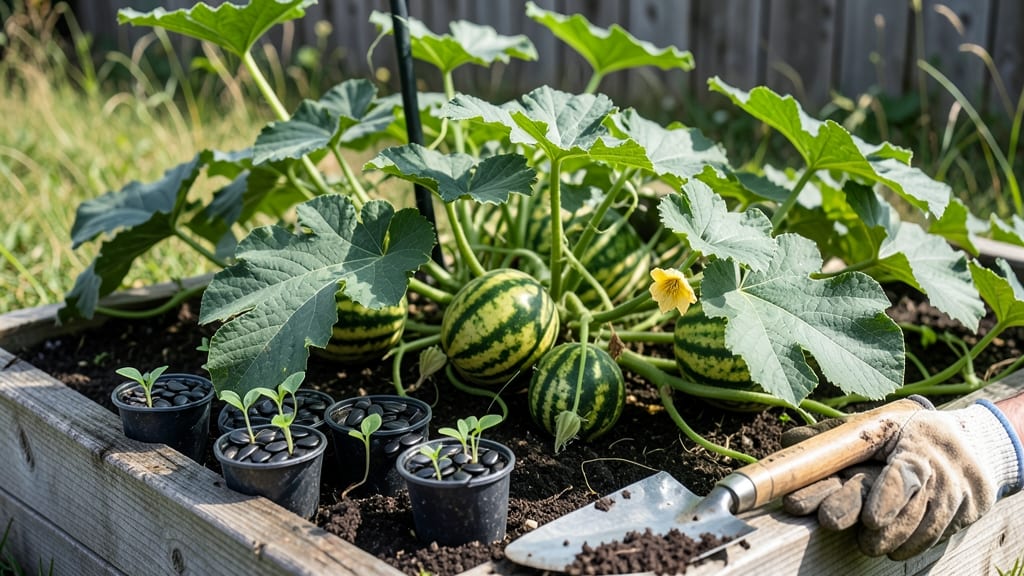
Planting watermelons in Texas isn't just about the calendar—it's about waiting for the soil to warm up to the perfect temperature. If you get this wrong, your seeds might never sprout, or your vines could struggle in the heat.
The key to a fast, bountiful harvest lies in understanding when the ground is ready, not just when the weather forecast says spring has arrived.
Texas gardeners know that soil temperature matters more than air temperature when it comes to watermelon germination. While most of us focus on frost dates, the real magic happens below the surface.
A soil thermometer becomes your best friend here—aim for 60°F or warmer before you even think about planting those seeds. In North Texas, this might mean waiting until mid-April, while South Texas gardeners could start as early as late February.
But timing isn't the only challenge—Texas' unpredictable weather can throw a wrench into even the best-laid plans. From sudden cold snaps to scorching heat waves, watermelons need consistent warmth to thrive. That's why knowing your region's microclimate is just as important as checking that soil thermometer.
Whether you're in the Panhandle or the Rio Grande Valley, local conditions can shift your planting window by weeks.
In this guide, I'll walk you through exactly how to read your soil's temperature cues, adjust for your specific corner of Texas, and avoid the most common mistakes that turn promising starts into disappointing failures.
Let's make sure your watermelon patch doesn't become another Texas garden casualty—because with the right timing, you could be enjoying homegrown melons by summer's end.
Texas watermelon planting calendar: soil temperature zones by region
Timing your watermelon planting in Texas isn’t just about the calendar—it’s about the soil temperature. Watermelons need soil that’s consistently 60°F or warmer to germinate, and this threshold varies dramatically across Texas’ regions.
In North Texas (Zones 7-8), cooler springs mean you’ll need to wait until late April or early May, while Central Texas (Zones 8-9) can start as early as mid-March. South Texas (Zones 9-10) gardeners enjoy a longer window, often starting in February.
Even within these zones, microclimates play a role. Urban areas like Dallas or Austin may experience heat islands that warm soil faster, while rural spots can stay cooler.
Always check your local frost dates—North Texas typically sees its last frost around March 15, while South Texas rarely faces frost at all. Planting too early risks seed rot or stunted growth from cold soil, while waiting too long may shorten your harvest season.
Here’s the key: Soil temperature matters more than air temperature. A sunny 80°F day with 50°F soil won’t help your seeds sprout. Use a soil thermometer (or a DIY method like the candle trick) to confirm readiness.
In cooler regions, consider black plastic mulch or row covers to warm the soil faster.
🌱
For North Texas, aim for late April when soil hits 60°F. This aligns with the average last frost date of March 15, giving your plants 90+ days to mature before fall’s first chill.
In Central Texas, you can start as early as mid-March, but watch for unpredictable late frosts—especially in elevated areas. South Texas gardeners have the luxury of planting in February, but choose heat-tolerant varieties like ‘Sugar Baby’ or ‘Crimson Sweet’ to avoid bolting in summer’s extreme heat.
Pro tip: If you’re in a transitional zone (like the Hill Country), err on the side of caution. Plant after May 1** to avoid spring heat waves that can stress young seedlings.
Always monitor your soil with a thermometer—daytime temps of 80°F+ are ideal for germination, but nighttime dips below 55°F can stall growth.
🌡️
Once you’ve nailed the planting window, focus on soil prep. Watermelons thrive in loamy, well-draining soil with a pH of 6.0–6.8. Amend heavy clay soil with
Watermelons are heat-loving plants that refuse to germinate until the soil reaches 60°F or warmer. In Texas, this means waiting for late April to early June in most regions—but how do you know for sure? Testing soil temperature is the key to avoiding slow germination or wasted seeds. I’ve learned the hard way that guessing leads to disappointment, so here’s my foolproof method. First, grab a soil thermometer (digital ones are the most accurate). These tools cost under $15 and save you from weeks of waiting for seeds that may never sprout. If you don’t have one, a DIY solution like a candy thermometer or even a reliable outdoor thermometer can work in a pinch—but I recommend investing in the real deal for precision. Next, check the temperature at planting depth, which for watermelons is about 1 inch deep. This is critical because surface temps can be misleading. Place your thermometer in the soil where you plan to plant, and let it sit for 10-15 minutes to get an accurate reading. Do this in the morning (before the sun heats the soil) and in the evening (when temps drop) to account for daily fluctuations. The ideal soil temperature for watermelon germination is 80-90°F during the day. If your soil is consistently below 70°F, your seeds will struggle to sprout. In cooler Texas regions like the Panhandle or Hill Country, you might need to wait until mid-May or June to hit this sweet spot. Patience is key—rushing the process can lead to moldy seeds or stunted growth. 🌱 Use a digital soil thermometer for accuracy or a candy thermometer as a budget-friendly alternative. Insert the probe 1 inch deep—this matches watermelon seed depth and gives the real soil temp. Record temps at 8 AM and 6 PM to spot fluctuations. Watermelons need consistent warmth. If temps dip below 70°F, wait or use black plastic mulch to warm the soil faster. Lay down clear plastic sheeting a week before planting to raise soil temps by 5-10°F. If your soil isn’t warm enough yet, don’t panic—there are ways to trick nature into cooperating. One of my favorite tricks is using black plastic mulch, which can raise soil temperatures by 5-10°F within days. Simply lay it down a week before planting, and the heat will penetrate the soil, creating the perfect environment for germination. Another option is row covers, which protect young plants from late spring frosts while allowing sunlight to warm the soil. Remember, watermelon seeds can take 7-10 days to germinate in ideal conditions. If you’ve tested your soil and it’s ready, but your seeds still haven’t sprouted after two weeks, they may be old or damaged. Always use fresh seeds (from the current year) for the best results. And if you’re planting in containers, ensure your pots have drainage holes to prevent waterlogged soil, which can cool the roots and delay germination. Once your soil hits the perfect temperature, you’re ready to plant. But don’t stop there—consistent moisture is just as important as warmth. Keep the soil damp (not soggy) until the seeds sprout, and you’ll be well on your way to a bountiful watermelon harvest.How to test soil temperature for watermelon success (step-by-step guide)
🔍 Step 1: Choose Your Tool
⏱️ Step 2: Test at the Right Depth
☀️ Step 3: Check Morning and Evening
🌡️ Step 4: Aim for 80-90°F
💡 Step 5: Speed Up Germination