
Flowers
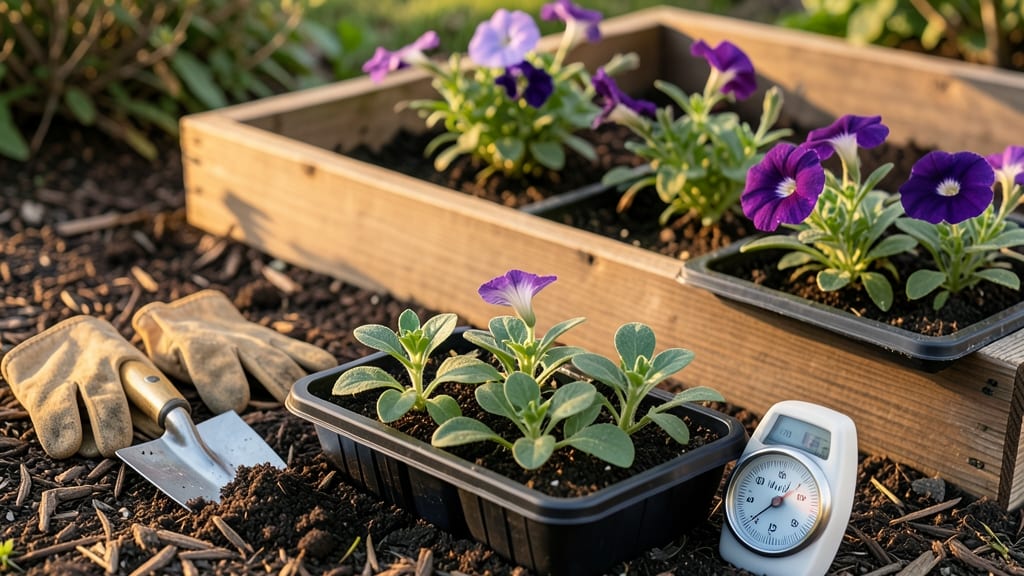
Knowing when is it safe to plant flowers in Michigan can mean the difference between a vibrant garden and a sad pile of frost-nipped petals. The 5b-6b zones here bring unpredictable swings—one day warm enough for tomatoes, the next a surprise frost that turns your tender seedlings into confetti.
You’ve probably heard the rule of thumb: wait until after the last frost. But in Michigan, that’s easier said than done. Mid-April to late May is your sweet spot, but urban Detroit and rural Traverse City can differ by weeks.
I’ll break down the exact signals to watch—like lilac blooms or soil temps hitting 50°F—so you never guess again.
Let’s talk heat-tolerant picks too, because even the best-planned garden can get zapped by a sudden 90°F wave. Sunflowers and black-eyed Susans are your secret weapons for beating Michigan’s whiplash weather. Stick around, and I’ll show you how to time your planting for continuous blooms all season long.
Whether you’re a first-time gardener or a veteran with frostbite scars from past mistakes, this guide cuts through the confusion. No more staring at your calendar, hoping for the best—just clear, actionable steps to get your 🌸 thriving from spring to fall.
Michigan last frost dates by USDA zone: the exact timeline for safe flower planting
Michigan's last frost dates vary dramatically across its 6 USDA zones (4a-6b), making precise planning essential for your flower garden. In northern zones like 4a (Marquette), frost lingers until May 15-30, while southern areas like 6b (Detroit) see their last frost by April 15-20.
These differences mean annual flowers planted in April in Detroit might still face frost in Traverse City.
The Michigan State University Extension tracks historical frost data, showing that urban areas warm up faster than rural zones due to the heat island effect. For example, Grand Rapids (Zone 5b) averages its last frost 7 days earlier than nearby farmland.
Always check local weather forecasts 1-2 weeks before planting to confirm frost-free conditions.
Here's your zone-by-zone planting timeline for cool-season flowers like pansies and sweet peas, plus heat-loving annuals that can handle Michigan's early summers:
| USDA Zone | Last Frost Date | Safe Planting Window | Heat-Tolerant Flowers | Cool-Season Flowers |
|---|---|---|---|---|
| 4a (Marquette, Sault Ste. Marie) | May 15-30 | June 1-15 | Sunflowers, Zinnias, Marigolds | Pansies, Sweet Peas, Snapdragons |
| 5a (Houghton, Escanaba) | May 1-15 | May 20-June 1 | Cosmos, Black-Eyed Susans | Calendula, Stock |
| 5b (Traverse City, Grand Rapids) | April 25-May 10 | May 10-25 | Lantana, Portulaca | Violas, Larkspur |
| 6a (Lansing, Kalamazoo) | April 15-25 | April 25-May 10 | Geraniums, Petunias | Primrose, Sweet Alyssum |
| 6b (Detroit, Toledo) | April 1-15 | April 15-May 1 | Salvia, Verbena | Iceland Poppies, Canterbury Bells |
For perennial flowers like coneflowers or daylilies, plant in early spring (April) as soon as soil is workable, even if frost is still possible. These hardy plants establish roots quickly and bounce back from light frosts.
My go-to trick is planting hardy annuals like snapdragons in early May—they tolerate light frosts down to 25°F and provide instant color.
Watch for natural indicators like lilac bushes in bloom (usually late April-early May) or dandelions gone to seed, signaling warmer weather. Urban gardeners should also check local weather apps for microclimate alerts, as city parks often warm 3-5°F faster than suburbs.
Always have frost cloth on hand for late surprises!
If you're in Zone 5b or warmer, don't wait until the last frost—start cool-season flowers like pansies in early April. These tough plants handle light frosts and give you early spring color.
For heat-lovers like sunflowers, wait until after Memorial Day when soil temperatures exceed 60°F consistently.
Pro tip: Use MSU's Frost Freeze Tool (msue.anr.ext.msu.edu) to input your ZIP code for
10 Heat-tolerant flowers that thrive when Michigan's summer arrives early
Michigan’s summers can be a rollercoaster—one day mild and breezy, the next a scorching 90°F wave that wilts delicate petals faster than you can say "detour." But don’t let unpredictable heat stop you from growing a showstopping flower garden.
These 10 heat-tolerant flowers are built to handle Michigan’s whiplash weather, blooming boldly even when temps spike.
I’ve tested these in my own garden near Grand Rapids, where sudden heat waves hit hard. The key? Choosing varieties that thrive in full sun and drought-tolerant conditions while still delivering vibrant colors and long-lasting blooms.
Let’s dive into the top picks that won’t fold under Michigan’s summer surprises.
🌞 Sunflowers (Helianthus annuus) aren’t just pretty—they’re drought-resistant powerhouses that love Michigan’s heat. Plant seeds after your last frost date (mid-April to late May), and watch them grow 6-12 feet tall with minimal fuss. Bonus: they attract pollinators and add golden cheer to any garden.
🌻 Black-Eyed Susans (Rudbeckia hirta) are my go-to for low-maintenance color. These perennial workhorses bloom from summer to frost and handle dry spells like a champ. Deadhead spent blooms to encourage more flowers, and they’ll reward you with yellow-orange daisies all season.
Heat-Tolerant Flowers: Pros & Cons
🌻 Black-Eyed Susan
- ✅ Pros: Drought-tolerant, long bloom season, attracts pollinators
- ❌ Cons: Can spread aggressively, may flop in heavy rain
🌼 Marigolds (Tagetes)
- ✅ Pros: Pest-repellent, bright colors, thrives in heat
- ❌ Cons: Annual (must replant yearly), some varieties are short-lived
🌸 Zinnias (Zinnia elegans)
- ✅ Pros: Vibrant colors, continuous blooms, heat-resistant
- ❌ Cons: Short-lived (best as annuals), may need staking
🌺 Lantana (Lantana camara)
- ✅ Pros: Thrives in extreme heat, long bloom time, drought-tolerant
- ❌ Cons: Invasive in some areas, toxic to pets if ingested
🌺 Lantana is a heat-loving superstar that blooms in clusters of pink, yellow, or orange flowers from June until frost. It’s drought-resistant and attracts butterflies, but watch out—it can be invasive in some Michigan regions. Plant it in containers or well-defined beds to keep it in check.
🌼 Marigolds are the ultimate pest fighters and heat champions. Their bright orange or gold blooms repel nematodes and other garden pests, making them a must-have for organic gardens. Sow seeds directly after your last frost date, and they’ll keep blooming until a hard frost hits.
For long-lasting color, try Zinnias. These annuals come in every color imaginable and bloom nonstop from summer to fall. Pinch back early blooms to encourage bushier growth, and deadhead spent flowers to prolong the season. They’re perfect for cut flowers too!
🌸 Coneflowers (Echinacea) are perennial workhorses that handle Michigan’s heat with ease. Their daisy-like blooms come in purple, pink, or white and attract butterflies and bees. Plant them in full sun and watch them rebloom year after year with minimal care.