
Plants
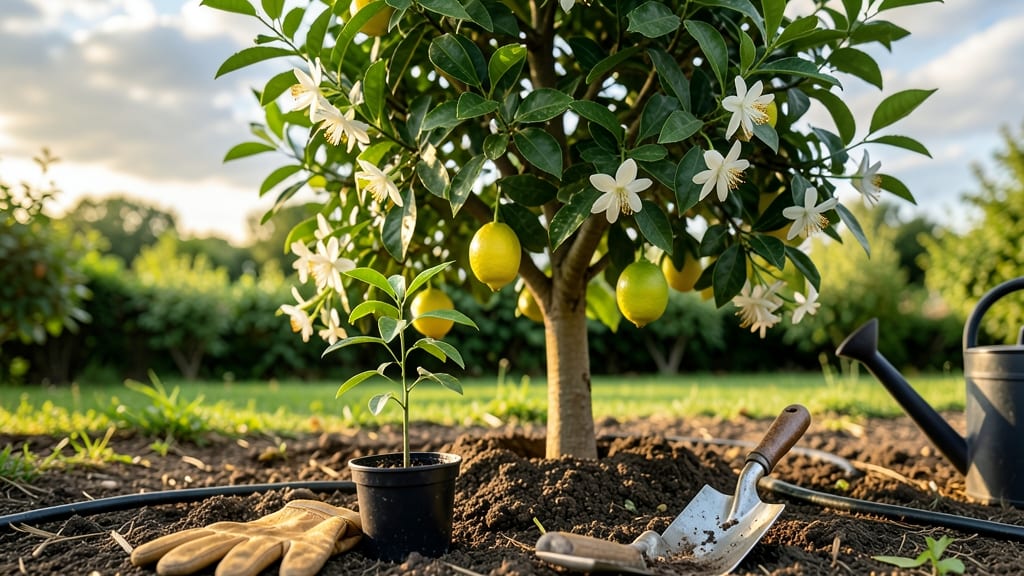
If you’ve ever dreamed of plucking fresh 🍋 lemon tree fruit from your backyard, when is the best time to plant a lemon tree in California? Timing your planting is the game-changer between a thriving citrus tree and a struggling sapling.
In California, where microclimates range from frost-free coastal havens to inland valleys with chilly winters, getting it wrong could mean heat stress or frost damage—neither of which your tree will thank you for.
Let’s cut through the guesswork: the best time to plant a lemon tree depends entirely on where you live. Coastal gardeners in zones 9b-11 can plant year-round, while inland growers in 8a-10a should wait until late winter or early spring.
I’ll break down the science behind these windows—including soil temperature, frost risk, and how to prep your site for maximum success.
Whether you’re digging in the ground or planting in a container, the right timing sets the stage for years of harvests. You’ll also discover how to adjust your care routine based on seasonal shifts, so your tree stays healthy no matter what California throws its way.
Ready to turn your citrus dreams into reality? Let’s get started with the optimal planting schedule for your specific region—and avoid the 5 critical mistakes that derail even the best-intentioned gardeners.
Optimal lemon tree planting windows by California climate zone
California’s diverse climate means the best time to plant a lemon tree depends entirely on where you live. Coastal regions like San Diego or Santa Barbara enjoy mild winters with no frost, while inland areas like Sacramento or Fresno face cold snaps and frost risks.
Let’s break down the ideal planting windows for each zone to ensure your tree thrives from day one.
In coastal California (USDA Zones 9b-11), you can plant a lemon tree year-round because frost is rare. However, the sweet spot is late winter to early spring (February-April). This timing aligns with natural rainfall patterns and gives your tree time to establish roots before summer heat arrives.
For inland California (USDA Zones 8a-10a), where frost is a real threat, plant after the last frost date (typically mid-February to April).
Here’s how to calculate your local frost-free date: Check the USDA Plant Hardiness Zone Map for your area, then add 2-4 weeks to the average last frost date.
For example, in Sacramento (Zone 9a), the last frost is usually around December 15, so aim to plant by mid-February. In Los Angeles (Zone 10a), you can plant anytime, but March-April is ideal for faster establishment.
Microclimates also play a role. If you’re in a valley or desert area, like the Central Valley or Palm Springs, plant on the earlier side (February) to avoid summer’s extreme heat.
Conversely, in cooler coastal fog belts, like Monterey or Big Sur, you can plant as late as May without risking frost damage.
For container-grown lemon trees, timing is flexible, but spring planting (March-April) still offers the best results. Containers warm up faster in spring, promoting root growth. If you’re planting in pots for patio growing, avoid winter months (December-February) in inland zones, as cold nights can stress young roots.
Pro tip: If you’re unsure about your local frost dates, use a frost calendar app like Old Farmer’s Almanac or check with your local Cooperative Extension office. These resources provide hyper-localized data to refine your planting schedule.
If you’re planting in cooler inland zones, like Sacramento or Stockton, aim for late March to early April. These areas experience colder nights in winter, and planting too early can expose your tree to root rot or frost damage.
In contrast, coastal zones like San Diego or Santa Barbara can handle planting in January or even December, as frost is virtually nonexistent.
For container-grown lemon trees, timing is slightly more flexible, but spring planting (March-April) still offers the best results. Containers warm up faster in spring, promoting root growth.
If you’re planting in pots for patio growing, avoid winter months (December-February) in inland zones, as cold nights can stress young roots.
Remember, the goal is to give your lemon tree a 3-4 month head start before summer’s peak heat. This ensures it establishes roots and foliage before the dry, hot months (June-September) when water demands spike.
With the right timing, your tree will reward you with abundant lemons in 2-3 years!
Optimal lemon tree planting windows by California climate zone
California’s diverse climates mean your lemon tree’s planting window depends heavily on whether you live near the coast or inland. In coastal regions like San Diego or Santa Barbara (USDA zones 9b-11), you can plant year-round thanks to mild winters.
However, for inland areas like Sacramento or Fresno (zones 8a-10a), timing is critical to avoid frost damage.
The ideal planting window for inland zones is late winter to early spring (February through April), aligning with the last frost date. Coastal gardeners have more flexibility but still benefit from planting in late winter to encourage spring growth and fruiting.
Always check your local frost-free date—inland areas like Sacramento average their last frost around December 15, while coastal LA rarely sees frost.
| Climate Zone | Best Planting Window | Key Considerations | Frost Risk |
|---|---|---|---|
| Coastal (9b-11) | Year-round (best: Feb-April) | Mild winters, no frost; plant for spring harvest | None |
| Inland (8a-10a) | Feb-April (after last frost) | Hot summers, cold winters; avoid late planting | High (Nov-Jan) |
| Desert (10a-11) | Year-round (best: Oct-Nov) | Extreme heat; plant in cooler months | None |
For container-grown lemon trees, you can plant at any time, but spring is ideal for transplanting. If you’re in a microclimate (like a valley surrounded by mountains), research your specific area’s frost patterns—some inland spots near the coast may have milder winters than expected.
For example, Santa Cruz (coastal) has 365 frost-free days, while Stockton (inland) averages just 200.
Pro tip: If you plant in fall (October-November), your tree will establish roots before winter but may need protection from cold snaps in inland zones. Use mulch or a frost cloth to shield young trees during unexpected chilly spells.
Coastal gardeners can skip this step entirely—your tree will thrive with minimal fuss.
Remember, soil temperature matters just as much as air temperature. Lemon trees need soil that’s at least 60°F (15°C) to root successfully. Inland areas should wait until soil warms in March or April, while coastal regions can plant as early as February.
Use a soil thermometer to check before planting.
Timing isn’t just about frost—it’s also about water availability. Inland zones like the Central Valley experience hot, dry summers, so planting in spring gives your tree time to establish roots before the heat peaks.
Coastal areas with summer fog (like Monterey) can plant later, but avoid July-August when high humidity increases fungal risks.
🌱